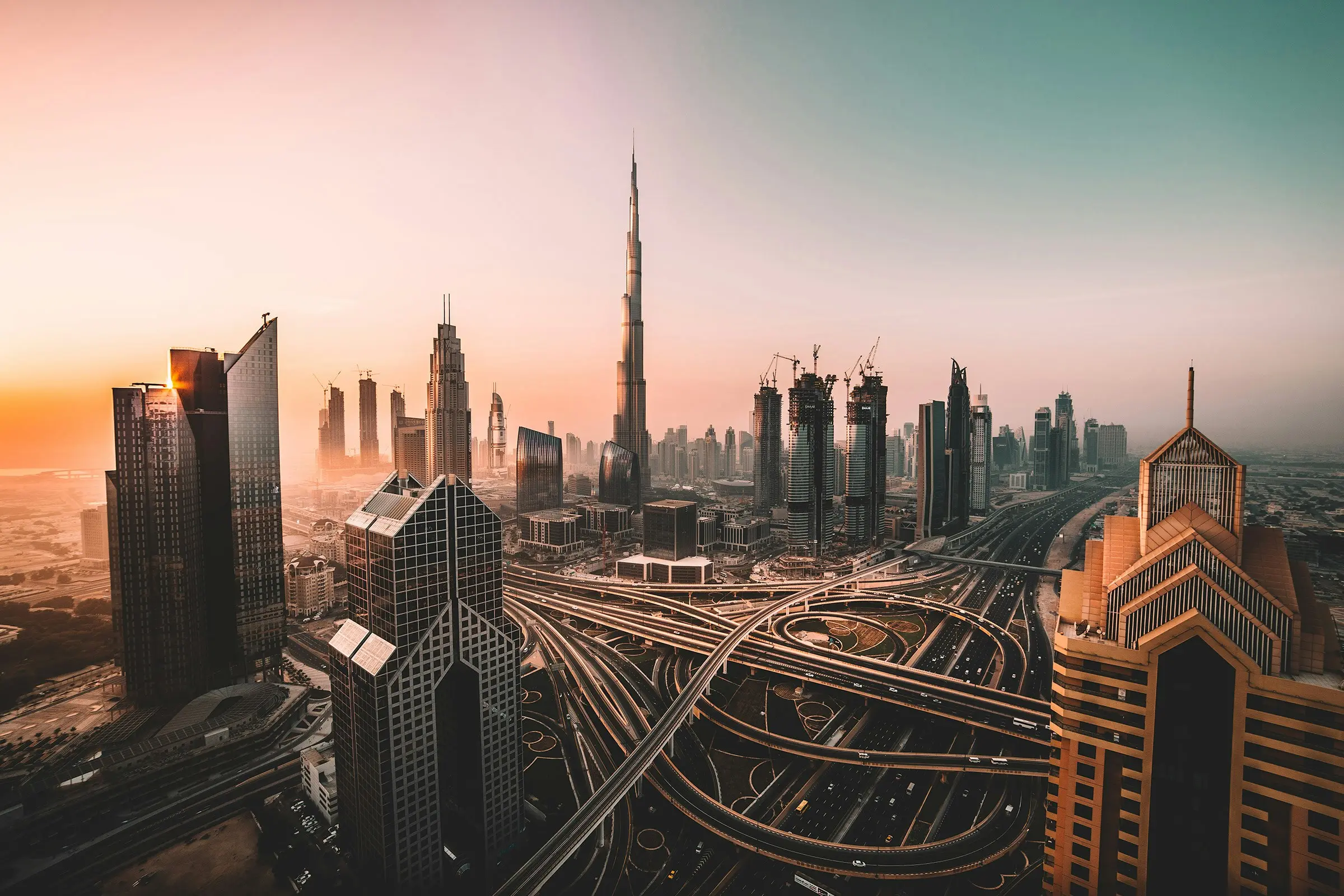
متى تبيع عقارك في دبي: دليل توقيت إعادة البيع 2026
معرفة متى تبيع لا تقل أهمية عن معرفة متى تشتري. يفكّك هذا الدليل دورات سوق العقارات في دبي، وفترات الاحتفاظ المثالية حسب المنطقة، وحسابات التكاليف، والإشارات التي تخبرك بأن الوقت حان لعرض عقارك للبيع.

النقاط الرئيسية
- يعمل سوق العقارات في دبي ضمن دورات تمتد 5 إلى 7 سنوات، ويمثل عام 2026 مرحلة نمو ناضجة مع ارتفاع انتقائي للأسعار بنسبة 5% إلى 10% سنوياً.
- تتراوح فترة الاحتفاظ المثلى بين 3 و5 سنوات للشقق في الممرات عالية الكثافة مثل قرية جميرا الدائرية وخليج الأعمال، وبين 5 و7 سنوات للفلل في المجمعات الرئيسية الراسخة.
- إعادة بيع العقارات على الخارطة (التنازل) ممكنة، لكنها تحقق عادة عوائد أقل مقارنة بالاحتفاظ بالعقار حتى 6 إلى 12 شهراً بعد التسليم.
- يجب على البائعين احتساب تكاليف المعاملة التي تبلغ إجمالاً 2% إلى 3% من سعر البيع، بما في ذلك عمولة الوسيط 2% ورسوم شهادة عدم الممانعة من المطور (500 إلى 5,000 درهم) ورسوم الخدمات المستحقة.
متى تبيع عقارك في دبي: دليل توقيت إعادة البيع 2026
يحظى الشراء في الوقت المناسب بكل الاهتمام، لكن معرفة متى تبيع هي التي تحدد عائدك فعلياً.
يتحرك سوق العقارات في دبي ضمن دورات، وقد يعني توقيت الخروج — سواء كنت تسحب الأرباح، أو تعيد موازنة محفظتك، أو تنتقل إلى فئة أصول مختلفة — الفرق بين عائد قوي وترك جزء من المال على الطاولة.
يفكك هذا الدليل إشارات السوق وفترات الاحتفاظ والتكاليف والاستراتيجيات اللازمة لبيع عقار في دبي في الوقت المناسب خلال عام 2026.

فهم دورات سوق دبي
يعمل سوق العقارات في دبي ضمن دورات تمتد تقريباً من 5 إلى 7 سنوات، وتقودها عمليات تسليم المعروض وتغيرات السياسات الاقتصادية وتدفقات رأس المال العالمي. وقد شهدت الدورة الحالية، التي بدأت في عام 2021، نمواً مستمراً للأسعار في معظم مناطق التملك الحر.
أهم خصائص الدورة:
- مرحلة النمو (2021-2025): قاد التعافي بعد الجائحة، والاستثمار المدفوع بالتأشيرة الذهبية، ومحدودية المعروض الجديد في المناطق الراقية إلى زيادات في الأسعار تراوحت بين 25% و40%. وارتفع حجم المعاملات إلى مستوى قياسي تجاوز 270,000 معاملة في عام 2025.
- المرحلة الحالية (2026): السوق في مرحلة نمو ناضجة. لا تزال أحجام المعاملات صحية ومستقرة، لكن نمو الأسعار يتباطأ إلى معدل مستدام يتراوح بين 5% و10% سنوياً في معظم المناطق.
- ما يجب مراقبته: قد تؤدي عمليات تسليم المعروض الكبيرة في 2026-2027 إلى ضغط مؤقت على الأسعار في مناطق الشقق التي تعاني من فائض المعروض، بينما يفترض أن تحافظ المجمعات الراقية محدودة المعروض على ارتفاعها.
لا تعني الدورة أن انهياراً قادماً؛ فما زالت أساسيات سوق دبي قوية بفضل نمو السكان وتدفقات الاستثمار الأجنبي وتطوير البنية التحتية. لكنها تعني أن المكاسب السهلة التي تحققت بين 2021 و2024 أصبحت وراءنا، وأن البيع الاستراتيجي يتطلب توقيتاً أكثر دقة.
فترة الاحتفاظ المثلى حسب نوع العقار
لا ينبغي الاحتفاظ بكل العقارات للمدة نفسها. إليك ما توضحه البيانات:
الشقق: 3-5 سنوات
ترتفع قيمة الشقق في المناطق ذات الطلب المرتفع عادة بنسبة 15% إلى 30% خلال فترة احتفاظ من 3 إلى 5 سنوات. وتكون النقطة الأفضل غالباً حول السنة الرابعة، عندما يكون العقار قد حقق معظم ارتفاعه، وقبل أن يواجه ضغطاً سعرياً ناتجاً عن تسليمات المعروض الجديدة.
أفضل المناطق لفترة احتفاظ من 3 إلى 5 سنوات: قرية جميرا الدائرية، خليج الأعمال، دبي مارينا، وأبراج بحيرات جميرا.
الفلل ومنازل التاون هاوس: 5-7 سنوات
ترتفع قيمة الفلل بوتيرة أبطأ لكنها أكثر استقراراً. وتقل مخاطر الضغط السعري بسبب محدودية الأراضي في المجمعات الراقية. وتكون فترة الاحتفاظ المثلى من 5 إلى 7 سنوات، ولا سيما في المجمعات المخططة بشكل رئيسي.
أفضل المناطق لفترة احتفاظ من 5 إلى 7 سنوات: دبي هيلز إستيت، المرابع العربية، نخلة جميرا، وإميريتس ليفينغ.
العقارات على الخارطة: حتى التسليم ثم 6-12 شهراً
ترتفع قيمة العقارات على الخارطة عادة بنسبة 10% إلى 15% بين الشراء والتسليم. لكن القيمة الحقيقية تتحقق خلال الأشهر الستة إلى الاثني عشر التالية للتسليم، عندما ينضج المجتمع وتُفتتح المرافق ويصبح العقار متاحاً للإشغال الفوري، ما يوسع قاعدة المشترين بشكل كبير.
إعادة البيع قبل التسليم (التنازل) ممكنة، لكنها تحقق عادة عوائد أقل من الانتظار حتى اكتمال المشروع.

إشارات إعادة البيع الخاصة بكل منطقة
ترسل المناطق المختلفة إشارات مختلفة. إليك ما يجب مراقبته في 2026:
قرية جميرا الدائرية (JVC)
- إشارة للبيع: إذا تم تسليم أكثر من 8,000 وحدة جديدة في مجمعك الفرعي المحدد خلال 12 شهراً، فستنخفض عوائد الإيجار وتزداد المنافسة على إعادة البيع. فكر في البيع قبل وصول موجة المعروض.
- إشارة للاحتفاظ: إذا كان المبنى يتمتع بإشغال قوي (90% أو أكثر) وكان المعروض الجديد محدوداً في المنطقة القريبة، فسيظل دخل الإيجار متيناً ويستمر ارتفاع القيمة.
دبي مارينا
- إشارة للبيع: تعافت أسعار المارينا إلى مستويات مرتفعة. إذا ارتفعت قيمة عقارك بأكثر من 30% عن سعر الشراء، فمن المفيد تقييم ما إذا كان الارتفاع المتبقي يبرر الاستمرار في الاحتفاظ.
- إشارة للاحتفاظ: الوحدات المطلة على الواجهة المائية من دون عوائق نادرة وتستمر في الحصول على علاوات سعرية. احتفظ بالعقار إذا كانت وحدتك تتمتع بميزة إطلالة فريدة.
خليج الأعمال
- إشارة للبيع: سيصل معروض جديد كبير إلى خليج الأعمال في 2026-2027. إذا كان عقارك في مبنى قديم من دون مرافق مميزة، فقد يكون البيع قبل أن يستوعب المخزون الجديد الطلب قراراً حكيماً.
- إشارة للاحتفاظ: يفترض أن تواصل الوحدات في المباني الأحدث الغنية بالمرافق والقريبة من القناة ارتفاعها مع نضوج المنطقة.
دبي هيلز إستيت
- إشارة للبيع: لا تزال دبي هيلز في مرحلة النمو. البيع الآن يعني تفويت ارتفاع القيمة خلال السنوات الثلاث إلى الخمس المقبلة مع اكتمال المخطط الرئيسي. لا تبع إلا إذا كنت تحتاج إلى السيولة أو لديك فرصة أفضل.
- إشارة للاحتفاظ: هذه حالة احتفاظ قوية. تشير محدودية المعروض من الفلل وسجل إعمار إلى استمرار الارتفاع حتى عام 2028 وما بعده.
الجداول الزمنية لمعاملات إعادة البيع: النقد مقابل الرهن
من أهم العوامل المؤثرة في توقيت إعادة البيع طريقة تمويل المشتري. ففي السوق الثانوية في دبي تتحرك المعاملات النقدية أسرع بكثير من المعاملات التي تحتاج إلى تمويل مصرفي.
المعاملات النقدية (7 إلى 30 يوماً)
إذا كان المشتري والبائع يستخدمان النقد، تكون العملية مبسطة. ويتحدد الجدول الزمني أساساً بسرعة إصدار المطور لشهادة عدم الممانعة (NOC) وتوافر مواعيد في مكتب أمين التسجيل التابع لدائرة الأراضي والأملاك في دبي. وبالنسبة إلى عقار غير مثقل برهن، يمكن إتمام البيع النقدي بسهولة خلال 7 إلى 14 يوماً.
معاملات الرهن (30 إلى 60 يوماً أو أكثر)
عندما يحتاج المشتري إلى رهن، أو يكون على العقار رهن قائم للبائع يجب تسويته، يمتد الجدول الزمني بشكل كبير. وتتطلب العملية خطوات إضافية عدة:
- الموافقة المبدئية على الرهن: يحصل المشتري على موافقة مبدئية من مصرفه (تستغرق من يوم إلى 10 أيام).
- تقييم العقار: يطلب المصرف تقييماً من طرف ثالث للتأكد من توافق قيمة العقار مع سعر البيع (يستغرق من 5 إلى 7 أيام عمل).
- تسوية الالتزام: إذا كان لدى البائع رهن، يجب على مصرف المشتري سداد رهن البائع مباشرة للحصول على إخلاء سند الملكية (يضيف من 10 إلى 15 يوم عمل).
- خطاب العرض النهائي والتسجيل: بعد الموافقة الكاملة على الرهن وتسويته، يحدد الطرفان موعد نقل الملكية لدى دائرة الأراضي.
إذا كنت تحتاج إلى سيولة سريعة، فعليك تسعير العقار بشكل جذاب للمشترين النقديين أو الاستعداد لجدول زمني مدته شهران عند التعامل مع مشترين مرتهنين.
الإبلاغ الضريبي في بلد الإقامة والوضع الضريبي في الإمارات
رغم شهرة الإمارات بوضعها المعفي من الضرائب، يجب على المستثمرين الدوليين فهم آثار الضريبة في بلدانهم قبل الخروج من الاستثمار العقاري.
الإطار الضريبي في الإمارات
بالنسبة إلى المستثمر الفرد في العقارات، تفرض الإمارات ضريبة أرباح رأسمالية بنسبة 0% على مبيعات العقارات. ولا توجد أيضاً ضرائب بلدية على المبيعات أو رسوم إضافية تتجاوز رسم التحويل القياسي لدى دائرة الأراضي البالغ 4% (يدفعه المشتري عادة، مع قابلية التفاوض).
الالتزامات الضريبية في بلد الإقامة
إذا كنت مقيماً ضريبياً في بلد آخر (مثل المملكة المتحدة أو فرنسا أو ألمانيا أو كندا)، فقد تكون مسؤولاً عن ضريبة أرباح رأسمالية في بلد إقامتك على دخلك وأرباحك العالمية.
- المملكة المتحدة (HMRC): يجب على المواطنين البريطانيين المقيمين ضريبياً في المملكة المتحدة الإبلاغ عن بيع عقارهم في دبي ضمن إقرارات التقييم الذاتي. وتخضع الأرباح الرأسمالية لمعدلات ضريبة الأرباح الرأسمالية البريطانية (تاريخياً 18% أو 24% للعقار السكني بحسب الشريحة الضريبية).
- معاهدات منع الازدواج الضريبي: تمنع معاهدة منع الازدواج الضريبي بين المملكة المتحدة والإمارات فرض الضريبة مرتين، لكنها لا تعفي المقيمين في المملكة المتحدة من الإبلاغ أو الالتزامات الضريبية في بلدهم. وإذا كان معدل الضريبة في الإمارات 0%، فسيدفع المقيم البريطاني كامل الضريبة البريطانية من دون رصيد ضريبي أجنبي يعوضها.
ينبغي للمستثمرين غير المقيمين استشارة متخصص في الضرائب العابرة للحدود لتحديد الهياكل الضريبية المتاحة أو تنظيم توقيت الخروج بما يقلل الالتزام الضريبي في بلد الإقامة.
أساليب التسويق لتعظيم سعر إعادة البيع
يتطلب بيع عقار في سوق ناضجة عرضاً نشطاً وتمثيلاً مهنياً. لم يعد مجرد نشر إعلان على الإنترنت كافياً للحصول على تقييم ممتاز.
- الامتثال للنموذج A لدى RERA: وقّع نموذج A رسمياً مع الوسيط الذي تختاره. يضمن ذلك تسجيل الإعلان رسمياً لدى هيئة التنظيم العقاري في دبي (RERA)، ما يسمح للوسيط بإصدار تصريح تراخيصي صالح للإعلان.
- الأصول الرقمية المهنية: تحصل الإعلانات التي تتضمن صوراً عالية الدقة وجولات افتراضية ثلاثية الأبعاد ومخططات طوابق واضحة على ما يصل إلى أربعة أضعاف الاستفسارات مقارنة بالصور الهاتفية منخفضة الجودة. اطلب من وسيطك الاستثمار في التجهيز والتصوير المهني.
- استراتيجية التسعير: تجنب تحديد سعر مرتفع بشكل غير واقعي على أمل التفاوض إلى أسفل. في سوق دبي النشط، يُنظر إلى العقار الذي يبقى على البوابة أكثر من 45 يوماً على أنه «قديم» أو يعاني من مشكلة خفية. سعّر ضمن 5% من أحدث سجلات معاملات دائرة الأراضي لجذب منافسة بين المشترين.
- المعاينات المستهدفة: تُباع العقارات المجهزة أو الشاغرة أسرع بكثير من العقارات المشغولة. إذا كان المستأجر سيغادر، فقد يكون إبقاء العقار شاغراً لفترة قصيرة مفيداً مالياً لتسهيل المعاينات وجذب المشترين المستعدين لدفع علاوة للحيازة الفورية.
كيفية حساب عائدك الصافي
احسب عائدك الفعلي بعد جميع التكاليف قبل إدراج العقار. فكثير من البائعين يبالغون في تقدير ربحهم لأنهم يتجاهلون نفقات المعاملة.
تفصيل تكاليف البائع
| بند التكلفة | المبلغ | الملاحظات |
|---|---|---|
| عمولة الوسيط | 2% من سعر البيع | المعدل القياسي لدى RERA (بالإضافة إلى ضريبة قيمة مضافة 5%) |
| شهادة عدم الممانعة من المطور | 500-5,000 درهم | مرة واحدة، بحسب المطور |
| رسوم الخدمات المستحقة | محسوبة حتى تاريخ التحويل | يجب تسويتها قبل التحويل |
| السداد المبكر للرهن | حتى 1% من الرصيد المستحق | بحد أقصى 10,000 درهم لدى المصرف المركزي |
| رسوم أمين التسجيل/الإدارة | 4,000 - 5,200 درهم | تدفع في مكتب التحويل |
| إجمالي تكاليف البائع | نحو 2%-3% من سعر البيع | لا تشمل سداد الرهن المبكر |
معادلة العائد الصافي
العائد الصافي = سعر البيع - سعر الشراء الأصلي - رسم دائرة الأراضي (عند الشراء) - عمولة الوسيط - شهادة عدم الممانعة - رسوم الخدمات (خلال فترة الاحتفاظ) - فائدة الرهن (إن كان التمويل مستخدماً)
مثال: اشتريت شقة في قرية جميرا الدائرية مقابل 750,000 درهم في 2022 وبعتها مقابل 950,000 درهم في 2026.
- الربح الإجمالي: 200,000 درهم
- رسم دائرة الأراضي (4% عند الشراء): 30,000 درهم
- عمولة الوسيط (2%): 19,000 درهم
- رسوم الخدمات (4 سنوات بسعر 12,000 درهم سنوياً): 48,000 درهم
- صافي الربح: 103,000 درهم (عائد صافٍ 13.7% خلال 4 سنوات)
هذا عائد جيد، لكن لاحظ أن التكاليف التهمت نحو نصف الربح الإجمالي. احسب صافي العائد دائماً.
متى لا تبيع
أحياناً يكون الاحتفاظ هو القرار الأفضل. إليك حالات لا يكون فيها البيع منطقياً:
- احتفظت بالعقار أقل من عامين: لم تُستهلك تكاليف المعاملة بعد، ومن المرجح أنك تبيع قبل تحقيق ارتفاع حقيقي.
- منطقتك تعاني من محدودية المعروض الجديد: تقود الندرة إلى ارتفاع القيمة. وإذا كان مجتمعك مكتمل البناء من دون تسليمات جديدة، يصبح عقارك أكثر قيمة مع الوقت.
- دخل الإيجار يغطي تكاليفك: إذا كان العقار يحقق تدفقاً نقدياً إيجابياً، فلا توجد عجلة للبيع ما لم تحتج رأس المال في مكان آخر.
- ستبيع في سوق هابطة: إذا كانت أحجام المعاملات تتراجع والأسعار تلين، يكون انتظار دورة الصعود التالية عادة أفضل من قبول خصم.
- ستتحمل غرامات رهن: تفرض بعض القروض رسوم سداد مبكر. تحقق منها قبل الإدراج.
عملية إعادة البيع خطوة بخطوة
عندما تقرر البيع، اتبع العملية التالية:
- نماذج RERA: احصل على نموذج A موقّع مع وسيطك. نموذج A هو اتفاقية الإدراج التي تمنح الوسيط تفويضاً لتسويق عقارك.
- توقيع النموذج F (مذكرة التفاهم): بعد قبول العرض، يوقّع الطرفان النموذج F (عقد البيع الموحد) الذي يوضح السعر والشروط والمسؤولية عن رسوم دائرة الأراضي. ويودع المشتري عادة شيك ضمان بنسبة 10%.
- شهادة عدم الممانعة من المطور: قدّم طلباً إلى المطور للحصول على شهادة عدم ممانعة، ويتطلب ذلك تسوية جميع رسوم الخدمات المستحقة. وتتراوح الرسوم بين 500 و5,000 درهم.
- إخلاء الرهن: إذا لزم الأمر، اطلب خطاب مديونية من مصرفك وسدد الرهن. تُحدد رسوم السداد المبكر بحد أقصى 1% من الرصيد المتبقي أو 10,000 درهم.
- التحويل لدى دائرة الأراضي: احضر إلى مكتب أمين التسجيل التابع لدائرة الأراضي لإتمام التحويل. يدفع المشتري رسم التحويل البالغ 4% إضافة إلى رسوم الإدارة لدى أمين التسجيل، ويصدر سند ملكية جديد فوراً.
استخدم صوفيا للحصول على تقييم فوري لعقارك استناداً إلى بيانات معاملات دائرة الأراضي المباشرة — وستعرض لك بالضبط أسعار العقارات المماثلة التي بيعت مؤخراً في مبناك ومنطقتك.
أدلة ذات صلة
- دليل منطقة خليج الأعمال 2026 - تفاصيل موقع إعادة البيع عالي الكثافة
- دليل منطقة دبي مارينا 2026 - رؤى إعادة البيع على الواجهة المائية الراقية
- دليل شارع الشيخ زايد 2026 - تحليل ممر النقل الراسخ
المصادر وقراءات إضافية
الأسئلة الشائعة
ما هو العقد الموحد (النموذج F) في عملية إعادة البيع في دبي؟
النموذج F، المعروف أيضاً بمذكرة التفاهم (MOU)، هو العقد الملزم قانوناً الذي يوقعه المشتري والبائع في معاملة السوق الثانوية، ويحدد السعر والشروط وتقسيم رسوم دائرة الأراضي والأملاك.
ما رسوم السداد المبكر للرهن العقاري في دبي؟
بموجب لوائح المصرف المركزي الإماراتي، تُحدد رسوم السداد المبكر للرهن بحد أقصى 1% من مبلغ القرض المستحق أو 10,000 درهم، أيهما أقل، ما يحمي البائعين من غرامات السداد المفرطة.
كم تبلغ تكلفة شهادة عدم الممانعة من المطور في دبي؟
يلزم الحصول على شهادة عدم ممانعة من المطور لتأكيد سداد جميع رسوم الخدمات. وتتراوح رسوم الشهادة عادة بين 500 و5,000 درهم إضافة إلى ضريبة القيمة المضافة، ويدفعها البائع.
كم تستغرق معاملة إعادة البيع في السوق الثانوية في دبي؟
تكتمل المعاملة النقدية عادة خلال 7 إلى 30 يوماً (من أسبوع إلى 4 أسابيع) لعدم الحاجة إلى موافقات مصرفية. أما المعاملة التي تشمل مشترياً بتمويل عقاري فتستغرق عادة 30 إلى 60 يوماً أو أكثر بسبب جداول تقييم البنك وتسجيل الرهن.
Genie AI
AI Property AdvisorGenie AI is an advanced artificial intelligence system that analyzes thousands of data points to provide personalized real estate investment recommendations. Powered by Dubai Land Department data, market trends, and sophisticated algorithms, Genie AI helps investors make data-driven decisions.
مقالات ذات صلة
بيانات عمر المباني في دبي: ما يمكن لعام الإنشاء أن يُخبر المشتري به وما لا يمكن
دليل منهجية المشتري لفصل تواريخ المباني المُبلَّغ عنها عن أدلة اكتمال المشروع وحالة المبنى والمعاملات في دبي.
أدلة الاستثمارمؤشر أسعار العقارات في دبي: تتبع حركة السوق دون الحاجة إلى تقييم قيمة الوحدة.
كيفية التمييز بين سلسلة أسعار السوق الرسمية في دبي والبيانات المطلوبة لتقييم وحدة معينة.
أدلة الاستثماربيانات تنقل الطلاب إلى المدارس في دبي: قارن نوافذ المسارات قبل اختيار العقار
استخدم منهجية موثقة وموحدة لنوافذ المسارات لمقارنة العقارات المرشحة في دبي مع مدرسة محددة دون تحويل التقديرات إلى ضمانات.
هل أنت جاهز للاستثمار في دبي؟
استخدم Sophia AI لمقارنة خيارات العقارات في دبي بناءً على ميزانيتك وأهدافك وتفضيلاتك.
اسأل صوفيا AI