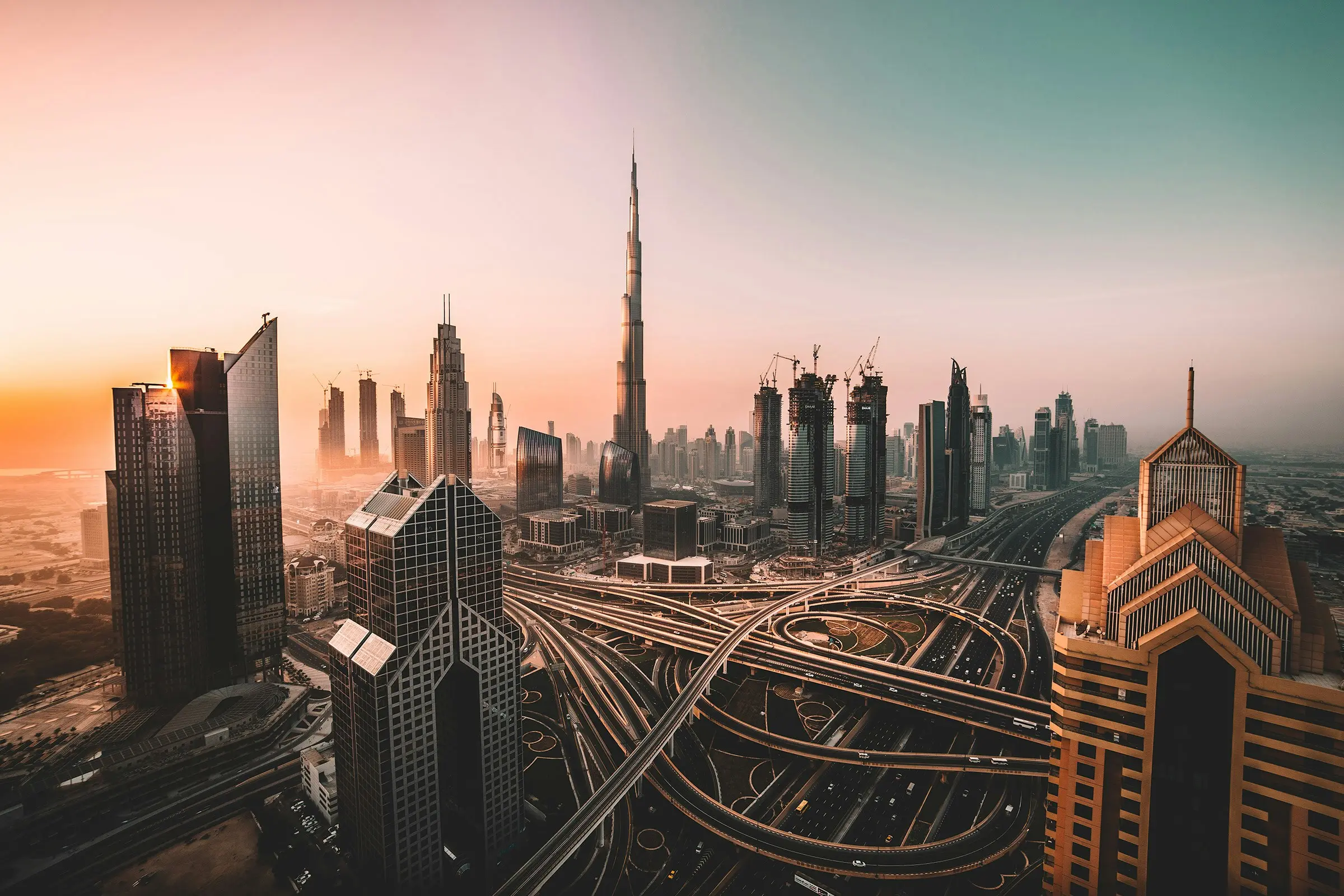
Sustainable and Green Buildings in Dubai: The 2026 Real Estate Shift
Sustainability has moved from marketing buzzword to market force in Dubai's real estate sector. In 2026, green buildings command measurable premiums in both sales prices and rental rates, driven by government mandates,

Key Takeaways
- Mandatory Green baselines: Dubai Municipality's Al Sa'fat rating system is a mandatory framework for all new permits, with Silver serving as the minimum legal baseline.
- Higher Rental and Sales Premiums: Green-certified residential and commercial properties command an average of 10% to 20% higher rental rates and sale prices compared to non-certified options.
- Substantial Operating Savings: Sustainable features like high-performance glazing and district cooling integration yield a 20% to 30% reduction in utility expenses.
- Global Compliance Standards: The UAE remains one of the top 10 countries globally outside the US for LEED-certified projects, attracting high-end institutional capital.
Sustainable and Green Buildings in Dubai: The 2026 Real Estate Shift
Sustainability has moved from a marketing buzzword to a fundamental market force in Dubai's real estate sector. In 2026, green-certified buildings command measurable premiums in both sales prices and rental rates. This shift is driven by tightening government mandates, corporate ESG (Environmental, Social, and Governance) requirements, and growing tenant demand for healthier, energy-efficient living environments.
TL;DR / Key Takeaways
- Mandatory Green baselines: Dubai Municipality's Al Sa'fat rating system is a mandatory framework for all new permits, with Silver serving as the minimum legal baseline.
- Higher Rental and Sales Premiums: Green-certified residential and commercial properties command an average of 10% to 20% higher rental rates and sale prices compared to non-certified options.
- Substantial Operating Savings: Sustainable features like high-performance glazing and district cooling integration yield a 20% to 30% reduction in utility expenses.
- Global Compliance Standards: The UAE remains one of the top 10 countries globally outside the US for LEED-certified projects, attracting high-end institutional capital.
Dubai's Sustainability Mandate: Regulations and Frameworks
The UAE's Net Zero 2050 strategy has accelerated green building adoption across Dubai. The government has introduced multiple regulatory frameworks to ensure that real estate development aligns with international sustainability standards:
- Al Sa'fat Green Building System: Developed by Dubai Municipality, Al Sa'fat is a mandatory green building certification framework for all new constructions, extensions, and refurbishments. It replaces older guidelines and enforces strict sustainability parameters before building permits are issued.
- Dubai Building Code: Incorporates minimum performance metrics for building envelopes, mechanical systems, and insulation.
- DEWA Green Regulations: Mandates solar-ready rooftops, smart metering, and efficient lighting systems for new developments.
- Free Zone ESG Mandates: Entities like the Dubai International Financial Centre (DIFC) and Dubai Multi Commodities Centre (DMCC) now enforce LEED or equivalent certification for new commercial towers.
These regulations have effectively created a bifurcated market: green-compliant buildings that enjoy strong occupancy and premium pricing, and older, non-compliant properties that face increasing risk of obsolescence.
The Local Standard: Dubai Municipality's Al Sa'fat Rating System
Al Sa'fat evaluates and rates buildings based on their sustainable features and performance. The system classifies properties into four distinct tiers:
- Bronze Sa'fat: The baseline tier addressing core resource savings.
- Silver Sa'fat: The mandatory minimum rating for all new private developments since its upgrade, requiring enhanced energy and water conservation measures.
- Gold Sa'fat: An advanced tier targeting significant reductions in carbon emissions and high-efficiency mechanical plant systems.
- Platinum Sa'fat: The highest tier, reserved for pioneer projects that integrate renewable energy generation and net-zero water loops.

Developers pursuing Al Sa'fat certification must submit detailed compliance documentation during the design and construction phases. Inspections are carried out by Dubai Municipality to verify that features such as greywater recycling, low-emission materials, and smart building management systems are properly integrated.
Global Recognition: LEED and Estidama in the UAE
While Al Sa'fat serves as the mandatory local framework, developers targeting global institutional investors also pursue international certifications.
LEED (Leadership in Energy and Environmental Design)
LEED is the most widely recognized green building rating system globally. The UAE has consistently ranked in the top 10 countries outside the United States for LEED-certified projects. Multinational corporations seeking office space in Dubai often mandate LEED Gold or Platinum spaces to satisfy their global ESG reporting requirements.
Estidama Pearl Rating System
Developed by the Abu Dhabi Urban Planning Council, Estidama is the mandatory green system in Abu Dhabi. While its direct regulatory jurisdiction is limited to the capital, several master developers in Dubai design their cross-emirate portfolios to comply with both Estidama and Al Sa'fat guidelines to capture national demand.
The Financial Case: Premiums and Operational Savings
Data from transaction registries and commercial leasing portfolios in 2025 and 2026 shows a clear green premium:
| Performance Metric | Green-Certified Properties | Non-Certified Properties | Premium / Variance |
|---|---|---|---|
| Sales Price (per Sq. Ft.) | AED 2,600 | AED 2,200 | +18% Sales Premium |
| Rental Rate (Grade A Office) | AED 180 / Sq. Ft. | AED 150 / Sq. Ft. | +20% Rental Premium |
| Average Occupancy Rate | 92% | 82% | +10% Higher Occupancy |
| Tenant Retention Rate | 78% | 62% | +16% Higher Retention |
| Utility Operating Costs | 25% lower | Baseline | -25% Utility Savings |
Residential buyers are increasingly willing to pay a premium upfront for properties with certified green ratings because these properties directly translate into lower monthly district cooling and electrical bills. Furthermore, local banks have introduced "Green Mortgages," offering discounts of 10 to 25 basis points on mortgage interest rates for certified sustainable homes.
Key Sustainable Communities and Projects in Dubai
Several master-planned communities have set the benchmark for green residential and mixed-use living:
The Sustainable City
This pioneering net-zero community in Dubai remains a global reference project. Featuring solar-domed villas, biodome farming, greywater recycling for landscaping, and a completely car-free residential zone, properties here command a 15% to 20% price premium over adjacent conventional developments due to high occupant satisfaction and zero net-utility bills.
Expo City Dubai
Building on the sustainable legacy of Expo 2020, Expo City is a fully integrated mixed-use master development. Almost all buildings in this district are LEED-certified, and the entire infrastructure is optimized for micro-mobility, water conservation, and smart energy grids.

Dubai Creek Harbour
Emaar's flagship waterfront development has incorporated extensive district cooling loops, energy-efficient smart building envelopes, and biophilic landscaping. New residential phases are built to target Gold Al Sa'fat ratings, ensuring long-term asset protection.
What to Look For: A Buyer's Green Due Diligence Guide
When searching for an eco-friendly property in Dubai, look beyond marketing claims and verify these physical systems:
1. Energy Efficiency
- High-Performance Glazing: Double or triple-glazed windows with Low-E coatings reduce solar heat gain, lowering air conditioning load.
- District Cooling Connections: District cooling plants are up to 50% more efficient than conventional chiller systems.
- Smart HVAC Integration: Thermostats with zone control and occupant sensing prevent cooling vacant spaces.
2. Water Conservation
- Low-Flow Fixtures: High-efficiency aerated faucets and dual-flush toilets.
- Greywater Recycling: On-site water treatment systems that reuse shower and sink water for toilet flushing and landscape irrigation.
3. Indoor Air and Environmental Quality
- Air Filtration: Ventilation systems utilizing MERV-13 filters or better to ensure dust and PM2.5 particles are filtered out of the indoor air supply.
- Low-VOC Materials: Paints, adhesives, and sealants that do not emit toxic volatile organic compounds.
AI and Sophia: Navigating the Sustainable Real Estate Market
Artificial Intelligence is playing an important role in identifying and evaluating green properties. At AiGentsRealty, our AI assistant, Sophia, is trained to process complex building registries, sustainability certifications, and historical utility metrics.
When searching for properties, Sophia can filter listings using verified green criteria, cross-referencing Al Sa'fat database records, checking whether a building is connected to district cooling, and calculating projected utility savings based on building energy models. This allows buyers to make data-driven decisions that balance environmental impact with strong financial returns.
Frequently Asked Questions (FAQs)
What is the Al Sa'fat rating system?
Al Sa'fat is the official green building rating system implemented by Dubai Municipality. It is mandatory for all new building permits and categorizes properties into Bronze, Silver, Gold, and Platinum tiers based on their energy, water, material, and indoor air quality performance.
Do sustainable buildings command higher resale values in Dubai?
Yes, data shows that green-certified properties command an average sales price premium of 18% over conventional properties. This is due to lower operating expenses, stronger tenant demand, and future-proof compliance with tightening environmental regulations.
How does district cooling reduce my utility bills?
District cooling systems aggregate cooling demand for entire neighborhoods, utilizing centralized, high-efficiency industrial chillers. This process is significantly more energy-efficient than individual split air conditioners, reducing cooling energy consumption by 30% to 40%.
How can Sophia help me locate green-certified homes?
Sophia, our AI property assistant, integrates directly with green building registries and Dubai Land Department transaction data. She can identify LEED and Al Sa'fat certified developments, calculate estimated utility savings, compare green mortgage offerings, and construct custom shortlists of verified eco-friendly homes.
Related AiGentsRealty Resources
- Sustainable Projects Shortlist
- Dubai Master Communities Overview
- Green Real Estate Investment Strategies
Sources and Further Reading
- Dubai Municipality: Al Sa'fat Green Building Certification Guidelines
- U.S. Green Building Council: LEED Certified Projects Database
- UAE Government Portal: UAE Net Zero 2050 Strategic Initiative
Practical Due Diligence Checklist
Verify the developer's official green certifications before signing a sales agreement. Ask to see the building's Al Sa'fat permit or LEED registration certificate, check estimated annual service charges to confirm that utility savings are reflected in lower maintenance fees, and verify whether the property is connected to a district cooling provider (such as Empower or Emicool) to understand the billing structure. Compare the property's purchase price against non-certified projects in the same neighborhood to ensure the green premium matches realistic utility savings.
Frequently Asked Questions
What is the Al Sa'fat rating system?
Al Sa'fat is the official green building rating system implemented by Dubai Municipality. It is mandatory for all new building permits and categorizes properties into Bronze, Silver, Gold, and Platinum tiers based on their energy, water, material, and indoor air quality performance.
Do sustainable buildings command higher resale values in Dubai?
Yes, data shows that green-certified properties command an average sales price premium of 18% over conventional properties. This is due to lower operating expenses, stronger tenant demand, and future-proof compliance with tightening environmental regulations.
How does district cooling reduce my utility bills?
District cooling systems aggregate cooling demand for entire neighborhoods, utilizing centralized, high-efficiency industrial chillers. This process is significantly more energy-efficient than individual split air conditioners, reducing cooling energy consumption by 30% to 40%.
How can Sophia help me locate green-certified homes?
Sophia, our AI property assistant, integrates directly with green building registries and Dubai Land Department transaction data. She can identify LEED and Al Sa'fat certified developments, calculate estimated utility savings, compare green mortgage offerings, and construct custom shortlists of verified eco-friendly homes.
Editorial Team
AiGentsRealtyThe AiGentsRealty editorial team consists of real estate experts, market analysts, and property consultants with over 20 years of combined experience in the Dubai real estate market.
Related Articles
Dubai Building Age Data: What Construction Year Can and Cannot Tell a Buyer
A buyer-method guide to separating reported building dates from completion, condition, and transaction evidence in Dubai.
Investment GuidesDubai Real Estate Price Index: Read Market Movement Without Valuing a Unit
How to distinguish an official Dubai market-price series from the evidence needed for a unit-specific valuation.
Investment GuidesDubai School Commute Data: Compare Route Windows Before Choosing a Property
Use a documented, like-for-like route-window method to compare candidate Dubai homes with a selected school without turning estimates into guarantees.
Ready to Invest in Dubai?
Use Sophia AI to compare Dubai property options based on your budget, goals, and preferences.
Ask Sophia AI