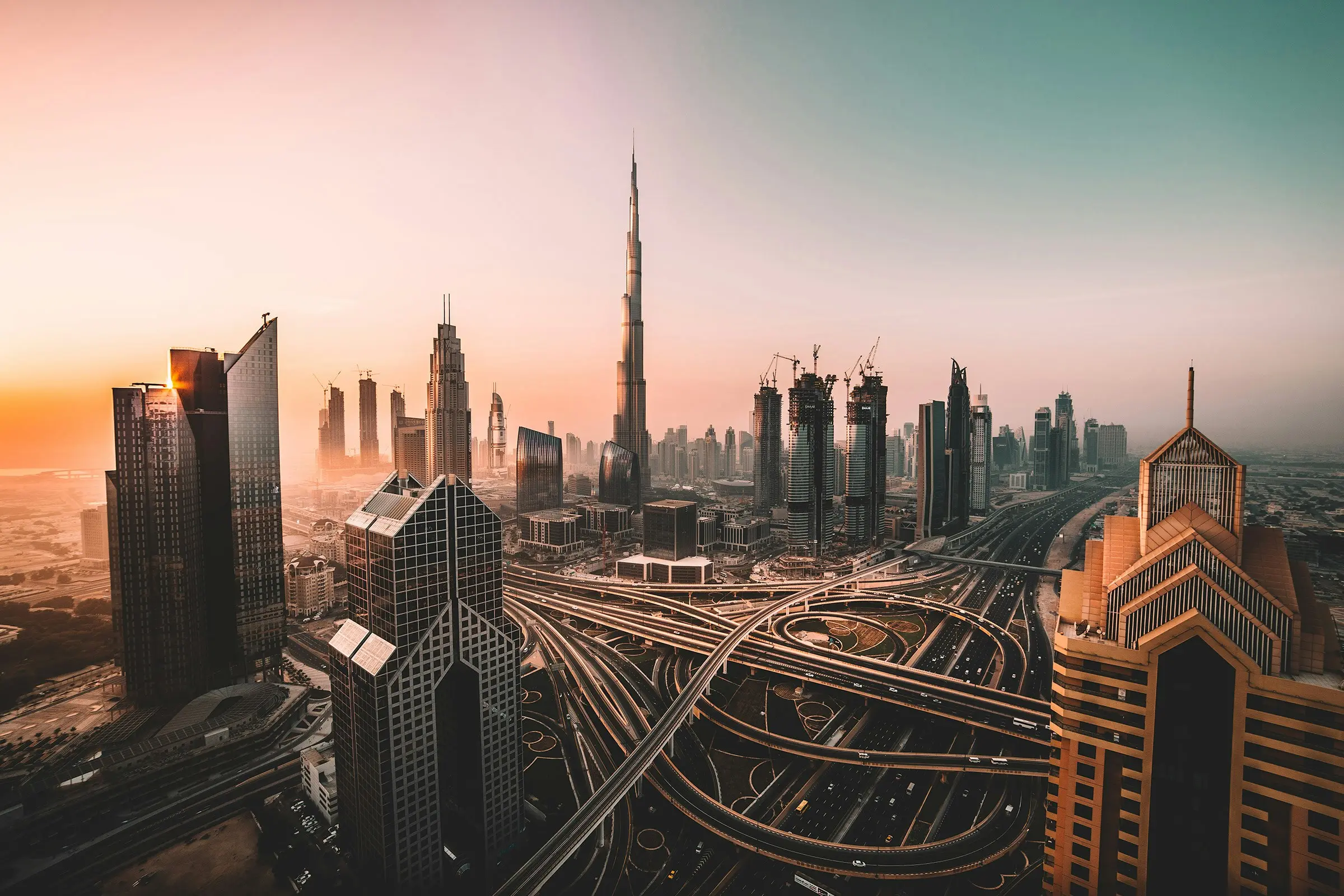
Resident Capital Takes the Wheel: Why Local Buyers Are Dominating Dubai’s Off-Plan Market
While international capital hesitates amid regional tensions, UAE resident capital is moving aggressively, keeping off-plan properties at 66% of built-property value.

Key Takeaways
- End-User Shift: Local resident buyers accounted for 40% to 43% of Dubai's residential property sales in 2025/2026, marking a shift from speculative foreign capital to end-user stability.
- Off-Plan Dominance: Off-plan properties continue to represent 65% to 73% of sales volumes, driven by developer payment flexibility and rent-hedging behaviors.
- High Pre-Sales Rate: Over 94% of residential units scheduled for 2026 completion have already been sold during construction, indicating high absorption rates and low vacancy risks.
- Market Maturation: The rise of resident buyers who purchase properties as primary homes provides a stable price floor during external macroeconomic shocks.
The Shift from Tourist to Resident Investor
Historically, Dubai's real estate market has been heavily reliant on international capital—foreign investors seeking high yields or a safe haven for their wealth. However, the geopolitical turbulence of early 2026 has triggered a fascinating shift in market dynamics. While international capital hits the "pause" button, resident capital is taking the wheel.
Despite the surrounding regional conflict, off-plan property sales continue to dominate, accounting for over 66% of built-property value in early March. Who is buying these off-plan properties? Increasingly, it is UAE residents.

End-User Migration: Transitioning from Tenant to Owner
The massive surge in resident buyers is primarily fueled by rent-inflation exhaustion. Over the past three years, Dubai's rental index has surged, with rents in mid-market areas like JVC and Business Bay climbing 15% to 25% year-on-year. For long-term expats, this constant upward pressure has transformed property purchase from a luxury into a financial necessity. Choosing to lock in a mortgage payment—even in a high-interest-rate environment—provides predictable housing costs for 15 to 25 years.
This shift is supported by the UAE’s Golden Visa program, which grants a 10-year residency for property investments of AED 2 million or more. Knowing that residency is no longer strictly tied to employment encourages expats to buy homes, establish deeper roots, and commit their capital locally. Consequently, the transaction share of end-users has risen to 40-43% of all residential deals in Dubai, a historic high for a market historically dominated by absentee foreign landlords.
The Off-Plan Advantage for Residents
Why are residents buying off-plan properties rather than ready ones? The answer lies in payment structures and financial entry barriers. Ready properties require a minimum 20% down payment, a 4% DLD transfer fee, and 2% agency commissions upfront, in addition to mortgage registration costs. For a AED 2 million property, this translates to nearly AED 550,000 in cash required on day one.
Off-plan properties, by contrast, allow buyers to spread payments over the construction period—often with 10% down and monthly or quarterly installments of 1% to 2%. Developers have adapted to this resident demand by offering 'post-handover' payment plans, where a portion of the property price is paid over 2 to 3 years after receiving the keys. This allows resident buyers to move into their homes, stop paying rent, and use their housing budget to complete their property payments, lowering the cash flow barrier significantly.
Why Residents Are Buying Now
Several factors are driving this surge in resident investment:
- Long-Term Confidence: Unlike international investors who may view Dubai purely as an asset class, residents view it as home. They experience the city's safety, infrastructure, and governance daily. Their confidence in the UAE's long-term stability is fundamentally higher than that of an observer watching the news from abroad.
- Escaping Rent Inflation: Dubai has experienced significant rent increases over the past three years. For many long-term residents, the math has finally tipped: servicing a mortgage—even with current interest rates—provides more financial predictability than facing annual rent hikes.
- Capitalizing on the "Tourist Dip": With international buyers temporarily hesitant, residents are finding less competition for prime units. Developers, eager to maintain sales momentum, are occasionally offering more flexible payment plans or fee waivers, which resident buyers are quickly snapping up.

Risk of Oversupply vs. High Pre-Sales Rates
A common concern for observers of Dubai's market is the massive supply pipeline, with over 120,000 units scheduled to enter the market over the next few years. However, a closer look at pre-sale numbers alleviates oversupply worries. In early 2026, data showed that over 94% of residential units scheduled for completion in 2026 had already been sold in the off-plan stage. This indicates that upcoming supply is already absorbed and is not sitting vacant on developer balance sheets.
When properties are handed over, a large portion will be occupied by the resident buyers themselves or immediately rented out to satisfy the city's rapidly expanding population. Speculative flipping—where buyers purchase off-plan properties with the sole intention of selling them before completion for a quick profit—has dropped significantly. Most buyers are holding their assets for the long term, which prevents price crashes and supports rental yields.
Impact on Investor Strategy in 2026
For international investors, the rise of the resident buyer changes the playbook. In a speculative market, investors look for rapid capital appreciation and quick exits. In an end-user-driven market, the focus must shift to livability, build quality, and community infrastructure. Investors should look for properties that appeal directly to expat families: units near international schools, parks, healthcare facilities, and major road links.
Sub-communities with high end-user occupancy rates historically experience lower vacancy rates, better maintenance, and more stable resale demand. Standard off-plan projects with basic layouts and no community feel will struggle to compete with master-planned communities designed for long-term living. To achieve sustainable 7% to 9% yields, investors must align their choices with the preferences of local residents who are actively looking to lease or buy ready homes.
DLD Digitization & Smart Services
The Dubai Land Department's REST app has revolutionized the transaction process for resident buyers. By integrating digital signatures, title deeds, and escrow accounts directly into a mobile interface, the DLD has removed the need for complex paperwork and physical visits to registration offices. Resident buyers can verify developer licenses, track construction milestones, and monitor escrow account balances directly from their phones. This high level of transparency has built massive trust, encouraging first-time expat buyers who were previously intimidated by the foreign legal system to enter the market with confidence.
The Maturation of the Market
This trend signifies a critical maturation of the Dubai real estate market. A market driven by resident end-users is inherently more stable than one driven purely by speculative foreign investment. Resident buyers are less likely to panic-sell during external shocks because their property is their primary residence, not just a line item on a portfolio.
As we navigate the uncertainties of 2026, the resilience of resident capital is the bedrock preventing the market from severe contraction, proving that those who know Dubai best are betting on its continued success.
Related AiGentsRealty resources
What to verify before you act
Before making an investment decision, verify the latest pricing, transaction evidence, rental demand, service charges, payment-plan terms, and exit liquidity for the specific property. Market-wide guidance can help you shortlist opportunities, but final due diligence should happen at project, building, and unit level. Compare the total cost of ownership and avoid assuming that historic returns will repeat automatically.
Sources and further reading
Practical due diligence checklist
Use this article as a shortlist filter, then validate the specific asset before making a decision. Confirm the current asking price against recent transactions, check the total acquisition cost rather than only the headline price, and review service charges, payment-plan obligations, handover assumptions, and resale liquidity. For off-plan purchases, verify escrow registration, construction progress, developer delivery history, and the exact clauses in the sales and purchase agreement. For ready property, inspect the unit condition, building maintenance, occupancy profile, parking, views, and realistic rental demand.
Before committing, compare at least three alternatives in the same budget band. The strongest option is usually the one where location, entry price, floor plan, developer quality, future supply, and exit strategy all align. Avoid relying on generic area averages or marketing brochures when unit-level evidence is available.
How to turn this guide into a decision
Use this article to form a shortlist, then test each option against current evidence. Check recent transactions, live asking prices, payment terms, service charges, handover assumptions, rental demand, and resale liquidity. A good Dubai property decision depends on the exact asset, not only the area, developer, or broad market narrative.
For investors, compare total acquisition cost and holding cost before looking at headline returns. Include DLD fees, agency fees, service charges, maintenance, vacancy, furnishing, management, and potential exit costs. For end users, compare livability factors such as commute, noise, parking, amenities, building quality, and future construction nearby.
The safest decision process has four steps: verify the data, compare alternatives, pressure-test the downside, and confirm all terms in writing. If a property still looks attractive after those checks, it is a stronger candidate. If the numbers only work under optimistic assumptions, keep searching or negotiate better terms.
Investor decision checklist for Resident Capital Takes the Wheel
Use this guide to shape the investment thesis, then test the thesis against unit-level evidence. Compare the current asking price with recent transactions, calculate total acquisition costs, and model net yield after service charges, vacancy, furnishing, maintenance, management, and transfer costs. For off-plan property, review escrow registration, construction progress, payment-plan cash flow, assignment rules, handover assumptions, and the developer's delivery record.
A stronger opportunity usually has more than one exit route: tenant demand, owner-occupier appeal, and resale liquidity should all be visible before you commit. Compare at least three alternatives in the same budget band and write down why one asset is better than the others. If the case depends only on a headline yield, a promised capital gain, or a broad market claim, keep researching. The right investment should still make sense after conservative rent, vacancy, and resale assumptions.
Frequently Asked Questions
Why are UAE residents transitioning from renting to buying off-plan in 2026?
Rising rents in Dubai's major districts have reached a threshold where the cost of renting exceeds the cost of a monthly mortgage payment. Buying off-plan allows residents to lock in housing expenses, avoid annual rent hikes, and benefit from developer payment plans during construction, which lowers the initial cash deposit required compared to ready properties.
What percentage of Dubai transactions are driven by end-users?
In 2025 and early 2026, resident end-users accounted for approximately 40% to 43% of all residential real estate transactions. This is a significant increase from previous cycles, indicating a maturing market where buyers purchase homes to live in rather than purely to speculate on short-term price appreciation.
Is there a risk of oversupply in the Dubai off-plan market?
While a large volume of residential units is planned, over 94% of units scheduled for 2026 handover are already pre-sold. This high absorption rate demonstrates that the supply is backed by actual consumer demand, minimizing vacancy risks when properties are completed.
How does the Golden Visa program support resident property buyers?
The UAE Golden Visa program grants 10-year residency to individuals who invest AED 2 million or more in property. This residency security encourages expats to invest in their homes and establish long-term roots, rather than viewing their stay in Dubai as temporary, further boosting local buyer demand.
Editorial Team
AiGentsRealtyThe AiGentsRealty editorial team consists of real estate experts, market analysts, and property consultants with over 20 years of combined experience in the Dubai real estate market.
Related Articles
Dubai Building Age Data: What Construction Year Can and Cannot Tell a Buyer
A buyer-method guide to separating reported building dates from completion, condition, and transaction evidence in Dubai.
Investment GuidesDubai Real Estate Price Index: Read Market Movement Without Valuing a Unit
How to distinguish an official Dubai market-price series from the evidence needed for a unit-specific valuation.
Investment GuidesDubai School Commute Data: Compare Route Windows Before Choosing a Property
Use a documented, like-for-like route-window method to compare candidate Dubai homes with a selected school without turning estimates into guarantees.
Ready to Invest in Dubai?
Use Sophia AI to compare Dubai property options based on your budget, goals, and preferences.
Ask Sophia AI