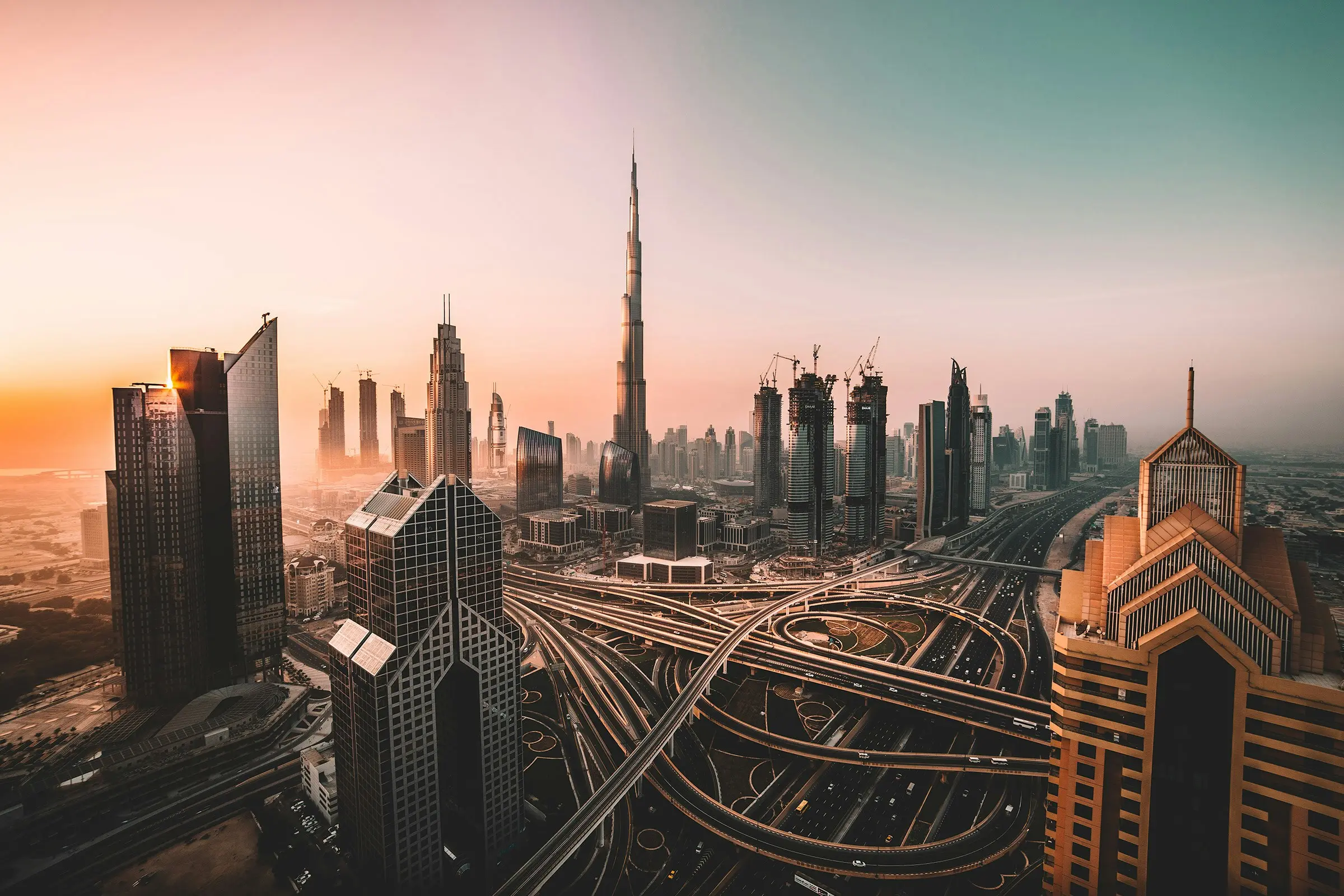
Nakheel 2026: Luxury Waterfront Repositioning & Palm 360 Revival
Nakheel’s 2026 waterfront push spans Palm Jumeirah densification, gateway and scarcity towers, and larger island expansion—while Palm 360 is best read as a historical luxury benchmark until a primary relaunch is verified.

Key Takeaways
- Nakheel’s 2026 waterfront story is a multi-island luxury repositioning spanning mature Palm Jumeirah product and expanded Palm Jebel Ali / Dubai Islands coastline.
- Primary Nakheel pages support hard place-making facts (Palm scale/amenities, Como’s 76 homes, Palm Beach Towers gateway framing, Palm Tower hospitality stack, Dubai Islands waterfront marketing).
- Palm 360 remains a historical ultra-luxury reference and branding question; a full 2025–2026 primary relaunch under that exact name was not verified here.
- After the reported 2024 Dubai Holding combination, counterparty identity on the SPA still matters as much as brand recognition.
- Investors should match gateway, scarcity-tower, mature-frond, and new-island product types to different capital missions instead of treating all Nakheel waterfront stock as one trade.
TL;DR
Nakheel’s 2026 waterfront story is less about a single relaunch headline and more about a multi-island luxury repositioning: densifying and amenitising Palm Jumeirah, advancing gateway and frond-adjacent product such as Palm Beach Towers and Como Residences, and scaling the next generation of island inventory at Palm Jebel Ali and Dubai Islands. The historic Palm 360 brand belongs to an earlier ultra-luxury twin-tower / branded-residence announcement cycle on the Palm; as of this research pass, a clearly documented 2025–2026 “Palm 360 restart” with fresh official unit release terms was not verified on Nakheel’s live project catalogue. Investors should treat “Palm 360 revival” as a market-positioning question—does today’s Palm luxury stack revive the same scarce, hotel-linked, view-maximising thesis?—rather than as confirmed inventory under that exact name.
Why Nakheel still anchors Dubai’s waterfront conversation
Nakheel remains one of the names most closely associated with Dubai’s engineered coastline. The developer’s public identity is inseparable from palm-shaped and island masterplans, and its official site continues to market Palm Jumeirah, Palm Jebel Ali, Dubai Islands, and a deep bench of residential, retail, and hospitality product under the Nakheel brand.
Two structural facts matter for 2026 buyer framing:
- Masterplan scale on Palm Jumeirah is not theoretical. Nakheel’s Palm Jumeirah collection page describes an engineering footprint covering 560 hectares, a community home to approximately 25,000 people, and a mix of luxury residences, waterfront homes, retail destinations, leisure attractions, and marinas. Amenities called out on the same page include the Palm Monorail, Nakheel marinas, beach clubs, a 360° observation deck, lifestyle malls, hotels and resorts, leisure parks, restaurants, and the sub-sea tunnel to the crescent.
- Corporate context changed in 2024. Independent secondary reporting summarised on Wikipedia states that on 16 March 2024, Nakheel, along with Meydan, was merged into Dubai Holding and ceased to be a separate entity. The Nakheel consumer brand and project websites remain active; buyers should still complete counterparty and escrow checks against the entity named on the sales SPA and RERA registration, not brand nostalgia alone.

What “luxury waterfront repositioning” looks like in practice
Repositioning, in this market, usually means four concurrent moves:
- Refresh the original icon (Palm Jumeirah) with higher-specification towers, branded living, and destination F&B/leisure so the island competes with newer waterfront districts.
- Fill structural gaps on the trunk and gateway—where daily convenience, retail, and vertical living sit closer to mainland connectivity.
- Restart long-paused island land banks (notably Palm Jebel Ali and the former Deira Islands programme now marketed as Dubai Islands) once balance-sheet and demand conditions allow.
- Sell a lifestyle system, not only plots: monorail and tunnel access, mall adjacency, observation decks, beach clubs, and hotel brands that turn a residential address into a recognisable global postcode.
Nakheel’s live catalogue maps cleanly onto that playbook.
Palm Jumeirah: the mature trophy that still absorbs luxury capital
Palm Jumeirah is no longer a greenfield story. It is a living, multi-layer market with frond villas, shoreline apartments, crescent resorts, trunk retail, and landmark vertical product. Nakheel’s own project pages emphasise that layering:
- The Palm Tower is described as a sought-after Palm address combining residences with a luxury hotel (The St. Regis Dubai, The Palm), restaurants, and The View at The Palm observation deck. Nakheel’s Palm Tower page references a 52-storey development and places AURA Skypool Lounge on level 50, SUSHISAMBA on level 51, and The View at The Palm on level 52, with Nakheel Mall connectivity and monorail adjacency called out in the location stack.
- Shoreline Apartments, Golden Mile, Palm Views, Club Vista Mare, and related Palm communities remain part of the official projects index—evidence that the island is managed as a portfolio of micro-locations rather than a single product type.
- Palm Beach Towers, listed under construction progress, is positioned at the gateway of Palm Jumeirah and marketed as fully furnished gateway living—“Palm Beach living” with city immersion rather than only private-frond seclusion.
- Como Residences appears both as a new-launch and construction-progress story: Nakheel describes a collection of 76 private residences with panoramic views, luxe interiors, and exclusive amenities—an ultra-low-density read versus mass shoreline blocks.
For investors, the Palm’s 2026 relevance is therefore less “will the island exist?” and more:
- Which micro-location (gateway trunk vs frond vs crescent-adjacent vertical) matches the hold period?
- Is the thesis end-use luxury living, branded hospitality adjacency, or short-stay demand near destination attractions?
- How much of the price is paying for irreplaceable geometry (sea geometry, privacy, view corridors) versus replaceable interior specification?
AiGentsRealty’s Palm area hub at /areas/palm-jumeirah is the right starting point for comparing that micro-geography against live listings and market context, while /developers/nakheel aggregates the developer’s broader catalogue signals.
Palm Beach Towers and the gateway thesis
Gateway product is strategically important because it sells a different daily rhythm than a quiet frond villa. Nakheel’s Palm Beach Towers construction page frames the scheme as an amalgam of style and luxury at the Palm’s entrance, with convenience distances cited toward trunk lifestyle nodes (including references such as Golden Mile Galleria, Al Ittihad Park, Club Vista Mare, and Nakheel Mall on the same marketing cluster).
That matters for 2026 repositioning because gateway towers can:
- capture buyers who want Palm branding without full frond villa capital outlay;
- deepen the island’s vertical skyline at the land interface;
- feed retail and F&B catchments that keep the trunk active after the first decade of villa handovers.
None of that requires inventing price points. It does require recognising that Nakheel is still actively productising the Palm’s front door.
Como Residences: scarcity product on a crowded island
A 76-home collection is a deliberate scarcity signal. On an island already famous for volume tourism and resort density, ultra-limited private residences are how a master developer reasserts upper-funnel luxury without needing to reclaim frond plots. Como’s official positioning—panoramic views, high-specification interiors, exclusive amenities—reads as a response to competitive pressure from other Dubai waterfront and branded-residence launches citywide.
Due diligence still applies: confirm building registration, service-charge philosophy, views that are actually protected in the as-built stack, and whether the buyer is underwriting architecture or only a brochure promise.
Palm Central Private Residences and the Palm Jebel Ali transfer of brand equity
Nakheel lists Palm Central Private Residences among new launches and ties Palm Central messaging into the Palm Jebel Ali collection narrative. Official Palm Jebel Ali pages describe a “futuristic” palm-shaped destination with hotels and resorts, lifestyle malls, leisure parks, a waterfront promenade, beach clubs, yacht club, and sports and wellness programming. The marketing language explicitly aims at a global lifestyle benchmark rather than a pure plot subdivision.
Wikipedia’s secondary summary of the Palm Jebel Ali restart—after a $4.6 billion debt-restructuring context—states Nakheel relaunched the project (stalled since 2008) with plans cited there for 1,700 villas and 6,000 apartments, after earlier investor outreach about buybacks. Treat those unit counts as secondary-sourced programme scale, and re-verify against the latest official release before using them in underwriting models.
What is primary-source solid is simpler: Palm Jebel Ali is not a rumour. It is an active Nakheel collection with public registration-of-interest pathways and community amenity claims on nakheel.com.
Dubai Islands: renaming, scale, and the long coastline thesis
Nakheel’s Dubai Islands collection page describes five islands where waterfront living meets “Arabian splendour,” with marketing claims of over 60 kilometres of waterfront and over 20 kilometres of additional shoreline-related experience language in the same destination story. Rixos Hotel & Residences is presented as a waterfront hotel-plus-residential offer with a 700-metre beach, positioned as an early luxury hospitality anchor on the islands.
Wikipedia’s company history notes the earlier Palm Deira / Deira Islands lineage and the later marketing shift toward Dubai Islands after project restart announcements in 2022. For 2026 investors, the practical takeaway is that Nakheel’s waterfront growth is no longer Palm-Jumeirah-only; the developer is running a multi-node coastal portfolio.

The Palm 360 question: history, branding, and what is not yet evidenced
What can be said carefully about Palm 360
Open-source news indexes still surface a 2016–2017 announcement cluster in which Nakheel’s ultra-luxury Palm crescent story was associated with twin-tower product and hospitality branding, including references in trade coverage to Raffles Residences PALM360 / Palm 360 positioning on Palm Jumeirah. Those stories sit in the historical record of how Nakheel once marketed a “highest-tier, 360-degree outlook” residential-hotel hybrid on the Palm.
Separately, Nakheel’s current Palm Jumeirah page openly lists a 360° observation deck among island amenities, and The Palm Tower complex operationalises elevated leisure (observation deck / skypool lounge language) at the island’s vertical core. That shows the “360” experiential vocabulary remains part of Palm place-making even when a specific residential inventory label is not on the new-launches rail.
What this research pass did not verify
As of the sources reviewed for this package:
- Nakheel’s live new launches and construction progress rails prominently feature product such as Palm Central Private Residences, Como Residences, Palm Beach Towers, Palm Jebel Ali communities, Bay Villas on Dubai Islands, and Rixos Hotel & Residences—not a clearly labelled, currently selling “Palm 360” residential release page equivalent to those entries.
- No primary Nakheel PDF/SPA term sheet for a 2025–2026 Palm 360 tower restart (unit schedule, height, hotel flag, handover year, payment plan) was retrieved in this pass.
- Therefore, phrases like “Palm 360 is launching again in 2026” would be speculative. The defensible editorial line is:
Palm 360 is best handled as a historical ultra-luxury reference and a branding question: is Nakheel’s latest Palm product stack reviving the same scarce, view-dominant, hospitality-linked buyer psychology that Palm 360 once advertised—possibly under new names?
That framing protects readers from brochure leakage while still answering the search intent behind “Palm 360 revival.”
How the 2026 buyer should read Nakheel’s waterfront stack
1) Separate brand mythology from SPA reality
Nakheel’s islands are culturally famous. Contracts are local. Confirm:
- the seller entity after the Dubai Holding combination context;
- RERA / escrow registration for off-plan stock;
- service charges and island transport dependencies (monorail, tunnel, road peak loads);
- whether views and beach access are legally appurtenant or merely proximate.
2) Match product type to capital mission
| Mission | Nakheel waterfront expressions to study first | Primary risk to underwrite |
|---|---|---|
| Trophy end-use living | Frond-adjacent scarcity product; ultra-low-count collections such as Como Residences | Overpaying for finish that depreciates faster than location |
| Gateway liquidity / city access | Palm Beach Towers and trunk/gateway verticals | Competing new gateway supply elsewhere on Dubai’s coast |
| Long-duration masterplan beta | Palm Jebel Ali and Dubai Islands phases | Timeline, amenity delivery sequencing, early-community hollowness |
| Hospitality-linked lifestyle | Palm Tower / St. Regis / View / skypool ecosystem; Rixos on Dubai Islands | Hotel-ops externalities, tourist traffic, short-stay regulation shifts |
3) Use multi-island diversification deliberately
A Palm Jumeirah trophy hold and a Palm Jebel Ali early-phase hold are not the same trade. The first is mostly replacement-cost + scarcity inside a mature global postcard. The second is partly execution and absorption risk on a reactivated masterplan. Dubai Islands adds a third curve: large advertised coastline metrics and multi-island phasing complexity.
4) Benchmark against the rest of Dubai’s waterfront—not only against Nakheel’s past
Emaar beachfront, Dubai Harbour adjacency stories, creek and canal product, and other island or peninsula launches all compete for the same UHNW and upper-affluent budgets. Nakheel’s edge is still geometric recognisability and first-party control of large coastal systems; its burden is proving that 2026 specification, governance, and hospitality programming justify Palm-tier pricing versus newer rivals.
Investment and livability themes without fake numbers
This article intentionally avoids invented AED asking prices, forecast IRRs, or “guaranteed” yields. Those figures go stale within weeks and are unsafe without a dated listing or DLD print. What can be said without numerology:
- Mature Palm Jumeirah trades on global brand recognition, finite frond geometry, and amenity completeness already visible in the built environment (monorail, tunnel, malls, hotels, observation product).
- Gateway and scarcity towers are Nakheel’s tool for refreshing buyer cohorts who will not purchase villas.
- Palm Jebel Ali and Dubai Islands are where Nakheel extends waterfront supply when Dubai’s demand cycle supports multi-year absorption.
- Palm 360’s legacy is best used as a quality bar—hospitality adjacency, dramatic outlooks, ultra-positioning—while shoppers verify whether any live listing actually carries that brand.
If you need live, data-backed comparison across Palm projects and alternatives, use AiGentsRealty’s developer and area pages, then ask Sophia to pull current catalogue and market context rather than relying on static blog figures.
Practical checklist before you chase a “Palm 360 revival” listing
- Name match: Does the Oqood/SPA title say Palm 360, or is a broker using revival language for unrelated Palm stock?
- Primary source: Is there a Nakheel project page, brochure, or RERA ID you can open today?
- Hospitality contract: If branded, which operator, and what do residents actually receive?
- View and privacy geometry: Model adjacent plots and approved massing, not sunset renders alone.
- Exit path: Who is the natural end buyer in five to seven years—end-user family, hospitality-adjacent investor, or global trophy seeker?
- Island friction: Peak-hour access, service staging, and community rules can dominate lived experience more than lobby marble.
- Portfolio fit: If you already own Palm exposure, incremental capital might belong in a different Dubai node unless the new unit is genuinely scarce.
Bottom line
Nakheel’s 2026 waterfront posture—read through official Palm Jumeirah, Palm Beach Towers, Como Residences, Palm Central, Palm Jebel Ali, Dubai Islands, and The Palm Tower materials—is a coherent luxury repositioning across both heritage Palm density and expanded island coastline. The Palm 360 name remains a powerful historical and SEO magnet, but responsible analysis treats a full branded “revival” as unverified until Nakheel publishes a current, primary-source release under that label. For buyers and analysts, the higher-value question is whether new Nakheel waterfront product recreates Palm 360’s scarcity-and-outlook economics under whichever name the SPA ultimately carries.
Explore Nakheel’s broader footprint on AiGentsRealty’s Nakheel developer page and orient micro-location choices with the Palm Jumeirah area guide.
Frequently Asked Questions
Is Palm 360 officially relaunching in 2026?
This research pass did not verify a current Nakheel primary-source residential release page and term sheet under the exact Palm 360 label for 2025–2026. Treat revival language as a positioning question unless a live official brochure, RERA ID, or SPA uses that name.
What Nakheel waterfront products are clearly active on official channels?
Official Nakheel rails reviewed for this article include Palm Jumeirah collection pages, The Palm Tower, Palm Beach Towers (construction progress), Como Residences (new launch/construction progress), Palm Central Private Residences (new launch), Palm Jebel Ali, and Dubai Islands destination pages.
How large is Palm Jumeirah according to Nakheel?
Nakheel’s Palm Jumeirah collection page states a 560-hectare engineered footprint and a community of approximately 25,000 people, alongside marinas, monorail access, malls, hotels, and a 360° observation deck among listed amenities.
Did Nakheel’s corporate status change recently?
Secondary sources summarised on Wikipedia state that on 16 March 2024 Nakheel and Meydan were merged into Dubai Holding and Nakheel ceased as a separate entity. Buyers should still confirm the legal seller named on any SPA and regulator registration.
Where should buyers start on AiGentsRealty?
Use the Nakheel developer page and Palm Jumeirah area guide for orientation, then validate any specific unit against live listings, RERA data, and primary developer documents rather than blog generalities.
Genie AI
AI Property AdvisorGenie AI is an advanced artificial intelligence system that analyzes thousands of data points to provide personalized real estate investment recommendations. Powered by Dubai Land Department data, market trends, and sophisticated algorithms, Genie AI helps investors make data-driven decisions.
Related Articles
Wasl Properties Dubai: Separate Corporate, Community and Asset Roles
An evidence-led framework for separating corporate, developer, community, management, asset and operator roles when researching Wasl-linked Dubai property.
Developer SpotlightDeveloper Spotlight 2026: Azizi Venice & Dubai South Water-Infrastructure Strategy
Azizi Venice is a bold water-led megaproject in Dubai South, riding the long-term Al Maktoum Airport growth story. This 2026 developer spotlight weighs the lagoon lifestyle appeal against early-stage risk, service-charge economics and off-plan due diligence.
Developer SpotlightDeveloper Spotlight 2026: Tiger Properties' High-Rise Affordable Luxury Strategy
An in-depth look at Tiger Properties' 2026 strategy in Dubai, focusing on Auresta Tower in JVC and Red Square Tower 1 in JVT. Explore pricing, flexible post-handover payment plans, and net rental yields of 7-9%.
Ready to Invest in Dubai?
Use Sophia AI to compare Dubai property options based on your budget, goals, and preferences.
Ask Sophia AI