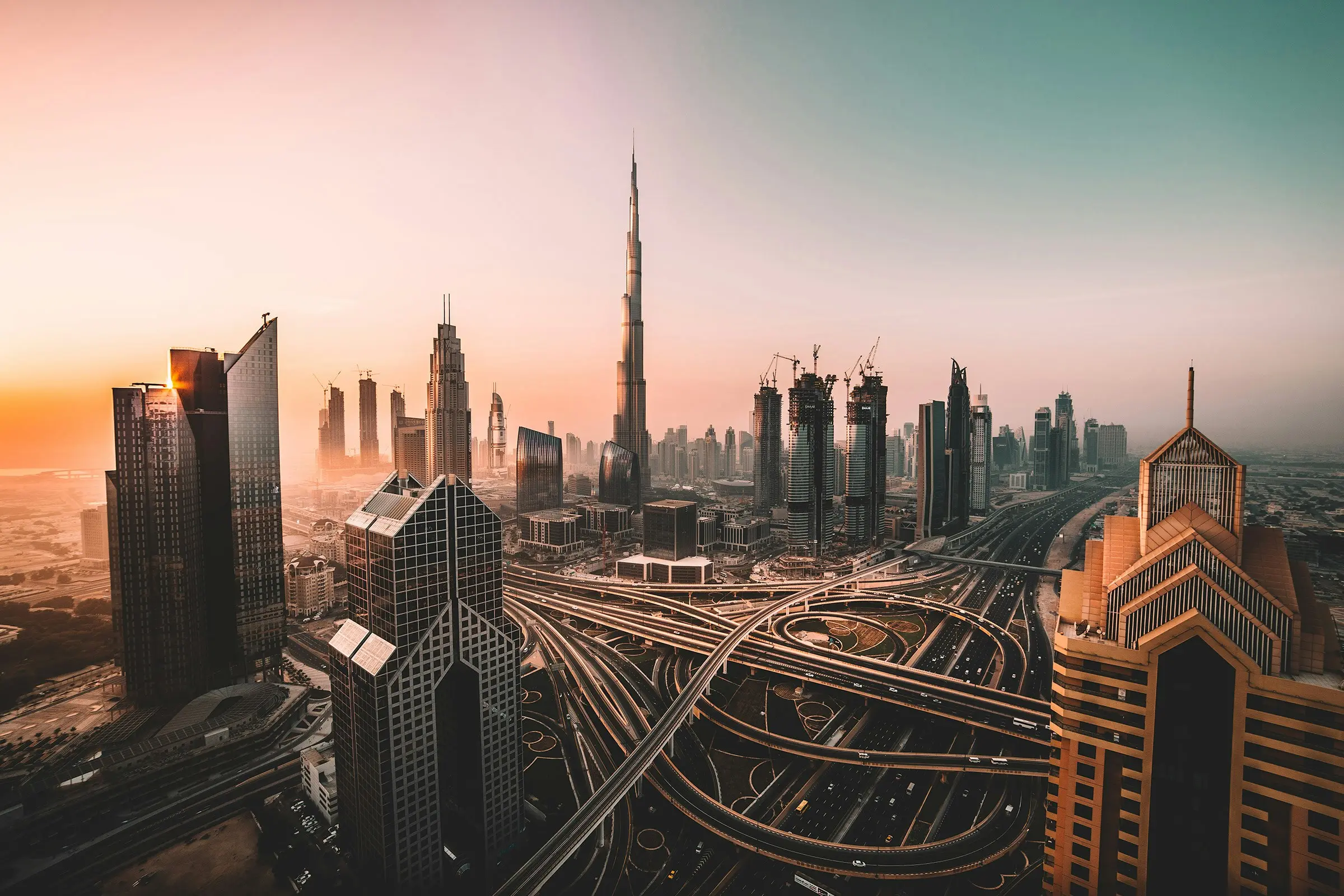
The "Wait-and-See" Window: Are HNWIs Delaying Dubai Investments or Preparing to Strike?
Recent reports show Asian family offices and HNWIs are pausing immediate deals in Dubai. Is capital fleeing, or just waiting on the sidelines for a strategic entry point?

Key Takeaways
- The UAE remains the top global magnet for millionaires, projected to welcome a net inflow of 9,800 HNWIs in 2025 with USD 63 billion in investable wealth.
- Dubai's luxury market broke records with 500 sales of homes priced over USD 10 million in 2025, representing a massive jump from 113 in 2021.
- Prime residential property price growth is expected to normalize from 25.1% in 2025 to a sustainable 3% to 5% in 2026.
- Rather than capital flight, the current 'wait-and-see' approach represents a tactical pause by HNWIs seeking opportunistic entry points and wealth preservation.
The "Wait-and-See" Window: Are HNWIs Delaying Dubai Investments or Preparing to Strike?
TL;DR / Key Takeaways
- Global Leadership: The UAE remains the top global destination for high-net-worth individuals (HNWIs), projected to welcome a net inflow of 9,800 millionaires with over USD 63 billion in investable wealth.
- Record-Breaking Performance: Dubai's ultra-prime residential market registered over 500 transactions valued above USD 10 million in 2025, showing exponential growth compared to 113 deals in 2021.
- Healthy Normalization: Following a stellar 25.1% price growth in prime segments in 2025, Knight Frank projects a healthy transition to market maturity in 2026, with growth stabilizing between 3% and 5%.
- Tactical capital hold: The current "wait-and-see" investor stance is not an exit, but rather a calculated delay as international family offices prepare to capitalize on stable market pricing and developer incentives.
Introduction
Following geopolitical and economic shifts in early 2026, the Dubai real estate market is experiencing a distinct "risk-off" pause. For the first time in recent memory, the safe haven narrative is being stress-tested, leading to a noticeable shift in behavior among High-Net-Worth Individuals (HNWIs), ultra-high-net-worth individuals (UHNWIs), and international family offices.
Rather than representing a permanent pullback, market indicators suggest that this "wait-and-see" window is a strategic recalibration. As global wealth moves at historic volumes, smart money is pausing to assess market maturity, entry pricing, and localized yields. According to the Henley Private Wealth Migration Report, the United Arab Emirates remains the single largest recipient of millionaire inflows globally, absorbing capital fleeing volatile western and eastern economies.
Understanding this dynamic requires analyzing concrete data on wealth flows, luxury transaction volumes, and price growth forecasts for 2026.
The Scale of Millionaire Migration to the UAE
The fundamental appeal of Dubai as a safe haven is stronger than ever. The UAE continues to attract global millionaires at rates that outpace any other country, including the United States, Singapore, and Switzerland.
Net Inflows and Wealth Accrual
According to Henley Global’s wealth migration data:
- 9,800 Net Millionaire Inflows: In 2025, the UAE welcomed nearly 10,000 new HNWIs, bringing an estimated USD 63 billion in collective investable wealth.
- Global Movement: This influx occurs against a backdrop of historic global mobility, with 142,000 millionaires relocating in 2025 and projections pointing to 165,000 in 2026.
- The Beneficiary of Capital Flight: The primary source of this capital is an exodus from high-tax and politically shifting jurisdictions. For instance, the UK was projected to lose 16,500 millionaires in 2025, with a substantial portion of those funds finding their way to Dubai's premium real estate assets.
This continuous inflow of capital provides a strong cushion against local market downturns, supporting demand in premium lifestyle developments.

Knight Frank Research: Normalizing Luxury Growth in 2026
Dubai’s high-end property sector has enjoyed unprecedented growth over the last three years. However, data from Knight Frank indicates that the market is transitioning from rapid appreciation to a phase of long-term stability.
The 2025 Record in Ultra-Prime Sales
The appetite for ultra-luxury residential properties in Dubai hit an all-time high in 2025. Knight Frank reports:
- 500 Ultra-Prime Sales: The emirate recorded approximately 500 property sales valued at over USD 10 million each during 2025. This compares to just 113 similar sales in 2021, illustrating the rapid scaling of Dubai's ultra-prime sector.
- 25.1% Price Growth: Prime residential property values in Dubai surged by 25.1% in 2025, leading global capital indices.
Projections for 2026
For 2026, the key word is "normalization":
- Prime Price Growth (3% to 5%): Prime properties (such as those in Palm Jumeirah, Jumeirah Bay, and Emirates Hills) are forecast to experience a mature growth rate of 3% to 5% in 2026.
- Mainstream Growth (1%): The wider residential market is expected to remain stable, with average price growth projected at around 1%.
Rather than indicating a bubble bursting, analysts view this transition as a sign of a healthy, mature market. For HNWIs, this means the risk of overpaying is lower, and the market is becoming more predictable for long-term holds.
Analyzing the "Wait-and-See" Strategy
If the underlying fundamentals are stable, why are family offices and HNWIs currently pausing? The delay is a tactical decision driven by three main factors:
1. Seeking Opportunistic Entry Points
After years of consecutive double-digit price increases, buyers are waiting to see if seller fatigue or a slight softening in off-plan launch activity will provide room for negotiation. HNWIs are holding high cash balances, ready to purchase immediately if distressed sellers drop their asking prices or developers introduce highly favorable payment structures.
2. Monitoring Geopolitical Alignments
While Dubai has historically acted as a geopolitical buffer, regional events in early 2026 have prompted global asset managers to temporarily pause new capital deployment. Once stability is re-established, history suggests that these paused transactions close rapidly, often followed by secondary inflows from investors seeking safety.
3. Currency and Treasury Optimization
With global interest rates fluctuating, many HNWIs are keeping funds in yield-bearing cash instruments or short-term treasury bills. They are timing their entry into real estate to align with the start of interest rate cuts or favorable currency pairings, ensuring maximum leverage for their capital.

Key Communities Attracting HNWI Attention
Despite the pause, specific communities in Dubai continue to experience high interest due to limited land availability and high prestige:
- Palm Jumeirah: Remains the premier location for beachfront villas and high-end branded penthouses. The completed development status of the Palm limits new supply, keeping prices resilient.
- Jumeirah Bay Island: An exclusive enclave home to ultra-wealthy individuals, where individual plot values have set regional records.
- Emirates Hills: Often called the "Beverly Hills of Dubai," this established golf-course community remains the top choice for multi-generational family estates.
- Business Bay & Downtown Dubai: High-end branded residences (such as those managed by Dorchester Collection or Bulgari) continue to attract business professionals seeking proximity to the financial district.
Frequently Asked Questions
Are investors pulling their money out of Dubai?
No. Most data suggests investors are delaying new purchases rather than liquidating existing assets, holding cash for strategic opportunities.
Is Dubai still considered a safe haven?
Yes. Despite recent regional escalations, Dubai’s strong regulatory environment and economic fundamentals continue to make it a premier destination for wealth preservation.
How does the 10-year Golden Visa influence HNWI decisions?
The UAE's Golden Visa program remains a massive incentive. By allowing buyers to secure residency with a minimum property investment of AED 2 million without a sponsor, it provides HNWIs with a reliable exit plan and a secondary home base.
What is the average rental yield for luxury properties in Dubai?
While mainstream properties in Dubai yield between 6% and 8% gross, ultra-prime luxury properties typically yield between 4% and 6% gross. However, this is offset by the potential for high capital appreciation and zero income tax on the rental returns.
Will property prices crash in Dubai in 2026?
According to Knight Frank's latest projections, a crash is highly unlikely. Instead, the market is expected to experience a healthy stabilization, with prime property values growing by a sustainable 3% to 5% and mainstream growth averaging around 1%.
Conclusion
The current hesitation among HNWIs in Dubai's real estate market is a tactical pause rather than a loss of confidence. The underlying structural drivers—millionaire migration, safety, zero personal taxes, and the Golden Visa program—remain strong.
As prime property growth normalizes to a sustainable 3% to 5% in 2026, the risk of speculative volatility decreases. For long-term investors and high-net-worth families, this "wait-and-see" window offers a unique opportunity to acquire premium assets with less competition, before the next wave of capital deployment begins.
Sources
- Henley Global Private Wealth Migration Report (2025/2026)
- Knight Frank The Wealth Report (2025/2026)
- Dubai Land Department Official Transaction Data
- UAE Government Portal on Tax and Residency Policies
- Property Finder & Bayut Luxury Market Surveys (2026)
Related AiGentsRealty resources
Sources and further reading
- Dubai Land Department
- Dubai REST real estate data
- Henley & Partners Wealth Reports
- Knight Frank Research Portal
Practical due diligence checklist
Use this article as a shortlist filter, then validate the specific asset before making a decision. Confirm the current asking price against recent transactions, check the total acquisition cost rather than only the headline price, and review service charges, payment-plan obligations, handover assumptions, and resale liquidity. For off-plan purchases, verify escrow registration, construction progress, developer delivery history, and the exact clauses in the sales and purchase agreement. For ready property, inspect the unit condition, building maintenance, occupancy profile, parking, views, and realistic rental demand.
Before committing, compare at least three alternatives in the same budget band. The strongest option is usually the one where location, entry price, floor plan, developer quality, future supply, and exit strategy all align. Avoid relying on generic area averages or marketing brochures when unit-level evidence is available.
Frequently Asked Questions
Are HNWIs permanently pulling their capital out of Dubai?
No. Data from global wealth reports indicate that HNWIs are adopting a temporary 'wait-and-see' stance rather than liquidating assets. Investors are holding cash to wait for de-escalation, favorable exchange rates, and developer incentives before deploying capital.
What is the millionaire migration forecast for Dubai in 2026?
According to the Henley Private Wealth Migration Report, global millionaire migration is projected to hit a record 165,000 in 2026, up from 142,000 in 2025. The UAE is expected to remain the prime beneficiary of this movement, particularly due to wealth exoduses from countries like the UK, China, and India.
How did Dubai's prime real estate perform in 2025?
Dubai's prime real estate market saw a record-breaking performance in 2025, with prime values increasing by 25.1% year-on-year. Over 500 ultra-prime residential sales (valued at USD 10 million or more) were completed, cementing the city's position alongside London, New York, and Geneva.
What are Knight Frank's growth projections for Dubai property in 2026?
Knight Frank projects that Dubai's prime property values will experience a healthy normalization in 2026, growing by 3% to 5%, while mainstream housing values are projected to average about 1% growth. This represents a healthy transition to market maturity.
Why is Dubai considered a primary safe haven for global HNWIs?
Dubai offers a unique combination of high personal safety, political stability, zero personal income and capital gains tax, robust digital and physical infrastructure, and long-term residency options like the 10-year Golden Visa.
Editorial Team
AiGentsRealtyThe AiGentsRealty editorial team consists of real estate experts, market analysts, and property consultants with over 20 years of combined experience in the Dubai real estate market.
Related Articles
Dubai Property Market News: This Week's Transaction, Listing and Source Dates
A date-aware Dubai property market news guide separating DLD registration reporting, portal asking-price observations, and developer availability snapshots for the 17–22 August 2026 reporting period.
Market NewsCedre Villas in Dubai Silicon Oasis: Buyer Research Guide
A source-aware guide to researching Cedre Villas in Dubai Silicon Oasis: documented home formats and sizes, dated portal asking-price examples, comparison questions and unit-specific due diligence.
Market NewsHow to Ask Sophia a Property Research Question in Dubai
A practical Dubai property-research framework: define your goal, location, requirements, budget, timing, constraints and desired output, then separate published information from details needing advisor or official confirmation.
Ready to Invest in Dubai?
Use Sophia AI to compare Dubai property options based on your budget, goals, and preferences.
Ask Sophia AI