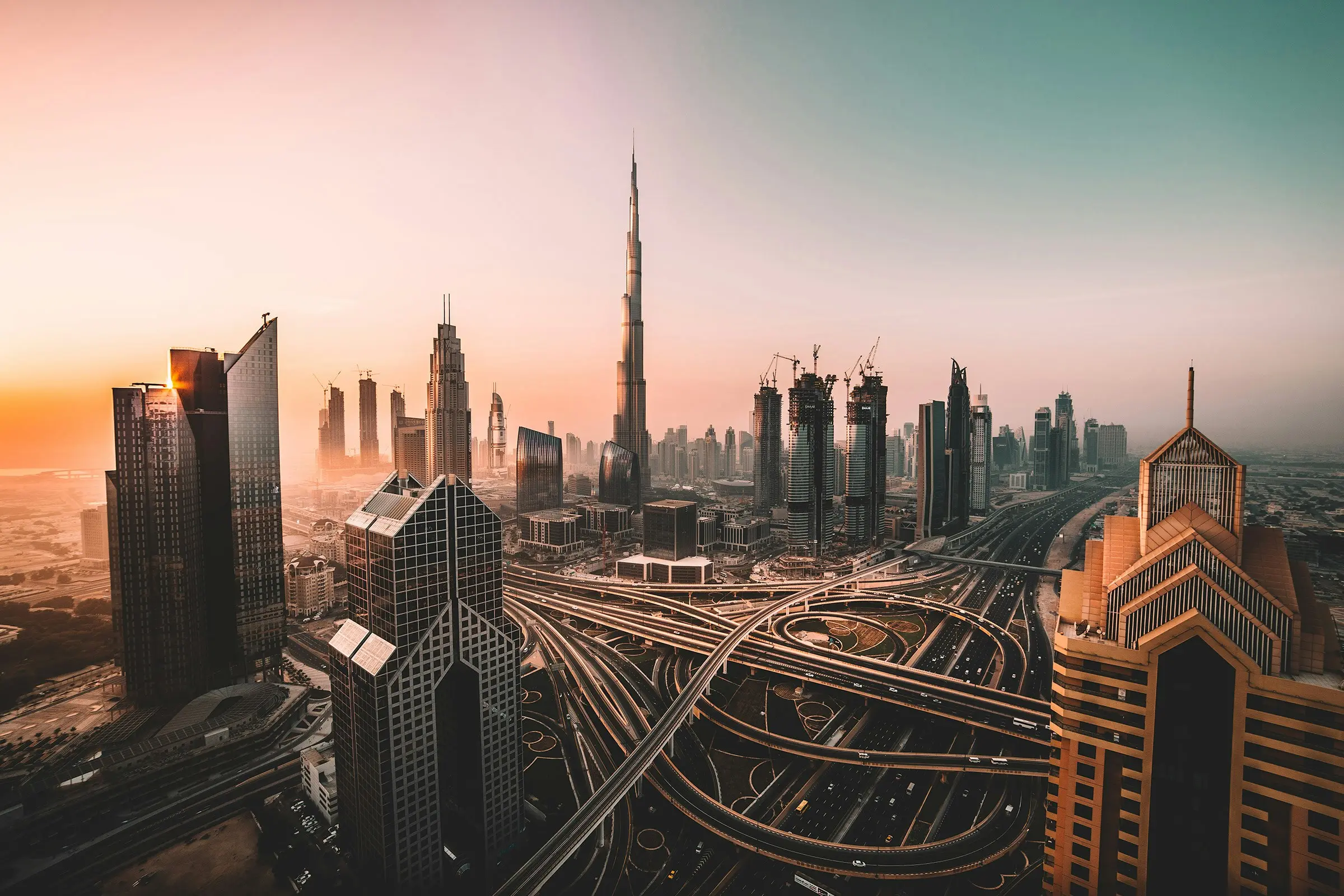
The Rental Safe Haven: Why Dubai Rental Yields Remain Insulated from Middle East Turmoil
With some buyers pausing, the Dubai rental market is experiencing an unprecedented boom. Explore why yields are rising one week into regional tensions.

Key Takeaways
- Safe-Haven Shift: Geopolitical tensions in early 2026 have pushed on-the-fence buyers to lease, driving unprecedented demand in the rental sector.
- Yield Stability: Landlords enjoy stable, market-leading yields between 5.5% and 9% in prime zones like JVC, Business Bay, and Dubai Marina.
- Corporate Influx: Multi-nationals are relocating key personnel to Dubai, generating highly lucrative corporate and long-term rental leases.
- Flexible Demands: The short-term and monthly leasing sectors have seen occupancy spikes as new arrivals search for immediate accommodation.
The Rental Safe Haven: Why Dubai Rental Yields Remain Insulated from Middle East Turmoil
In times of global economic volatility and regional geopolitical shifts, investors prioritize one primary characteristic above all else: security. While traditional asset classes such as equities or sovereign bonds react with high volatility to geopolitical headlines, the Dubai real estate sector has historically demonstrated a unique, countercyclical resilience. As tensions flare across the wider Middle East in early 2026, the Dubai property market is undergoing a fascinating internal transition.
Rather than experiencing a capital flight, the market is witnessing a major reallocation of capital and interest. Specifically, the rental sector has emerged as a high-yielding, resilient haven. For global property investors, the core question is no longer whether Dubai can withstand regional volatility, but how its rental yields are actively insulated—and in some cases, enhanced—by these geopolitical shifts.
1. The Geopolitical Counter-Effect: Why Turmoil Strengthens Rental Demand
To understand why Dubai’s rental yields remain insulated from regional tensions, one must analyze the psychology of both property buyers and residents during periods of uncertainty. In a standard market, geopolitical headlines might prompt a general slowdown in transactions. In Dubai, however, the response is more nuanced.
When uncertainty increases, a portion of prospective buyers—particularly mid-market expatriates and newly arrived families—adopt a "wait-and-see" approach. Rather than committing to a 25-year mortgage or purchasing an off-plan property, these individuals choose to rent. This behavior shifts demand directly from the sales market into the leasing sector.
Geopolitical Headlines
      │
      ▼
Sales Market Caution (Buyers Wait-and-See)
      │
      ▼
Demand Shifts to Leasing Sector
      │
      ▼
Rental Occupancy Increases ──► Rental Yields Stable/Rising
This influx of renters occurs at a time when Dubai’s housing supply is already under structural pressure. The combination of buyers staying in the renter pool and new arrivals seeking immediate housing creates a supply squeeze. Consequently, landlords are the immediate beneficiaries, maintaining high occupancy rates and enjoying stable, cash-flowing yields.
2. The Corporate Relocation Engine
One of the strongest drivers of Dubai's rental resilience is corporate strategy. Dubai is the primary commercial gateway for the Middle East, North Africa, and South Asia (MENASA) region. When neighboring jurisdictions experience political or economic instability, multinational corporations immediately activate contingency plans.
Typically, these plans involve relocating key personnel, executive teams, and regional headquarters to the safety of the United Arab Emirates. Over the course of early 2026, corporate leasing desks have reported a significant uptick in inquiries. Companies are looking to secure high-quality residential properties in central business districts like Business Bay and Downtown Dubai to house relocated executives.

These corporate tenants are highly prized by landlords. They represent lower default risks, sign long-term leases, and often pay premium rates for fully furnished apartments. This corporate-led demand acts as a solid floor for rental rates in prime urban corridors, ensuring that yields remain highly insulated from external shocks.
3. The Role of the AED-USD Peg and Macroeconomic Safety Nets
Beyond localized demand dynamics, Dubai's rental insulation is rooted in the macroeconomic architecture of the UAE. The United Arab Emirates Dirham (AED) has been pegged to the United States Dollar (USD) at a rate of 3.6725 since 1997.
For international investors, this peg is a vital risk-mitigation tool:
- Currency Protection: Real estate assets denominated in AED act as a direct proxy for USD assets. Investors from volatile currency environments (such as Europe, parts of Asia, and South America) can park their capital in Dubai property without exposing themselves to local currency depreciation.
- Inflation Hedging: As the USD fluctuates, the Dirham maintains purchasing power parity, protecting the real value of the rental income.
- Zero Income Tax: Unlike major metropolitan centers in Western Europe or North America, the UAE imposes no personal income tax, capital gains tax, or withholding tax on rental returns. A net yield of 7% in Dubai translates directly to 7% in the landlord’s bank account, whereas a similar nominal return in London or New York would be heavily degraded by taxation.
These structural safety nets ensure that capital seeking a sanctuary from regional turmoil continues to flow into Dubai real estate, supporting both asset values and rental yield baselines.
4. Area Analysis: Where Yields are Most Resilient
While the overall Dubai market exhibits strength, rental yields behave differently depending on the sub-market and property type. Investors seeking maximum insulation must focus on specific high-demand corridors.
Jumeirah Village Circle (JVC)
JVC has established itself as the premier mid-market destination in Dubai. It consistently ranks as one of the most searched areas for affordable apartments. The community benefits from a highly diversified tenant base, ranging from young professionals to mid-income families. Due to its competitive entry prices and consistent tenant demand, JVC offers some of the highest net yields in the city, frequently ranging between 7.5% and 9%.
Business Bay & Downtown Dubai
As Dubai's central business and lifestyle core, these areas are the primary recipients of corporate relocation inflows. Executive tenants prioritize proximity to the Dubai International Financial Centre (DIFC) and major commercial offices. While entry prices in Downtown are higher—which slightly moderates the percentage yield compared to JVC—net yields in Business Bay remain highly robust at 6% to 7.5%, supported by strong occupancy rates.
Dubai Marina
For waterfront lifestyle lovers, Dubai Marina is the default choice. The area has matured into a fully built-out community with limited new supply pipeline, meaning existing landlords face minimal competition from new completions. This structural supply cap keeps rental demand high and ensures yield stability in the range of 6% to 7.5%.
5. Short-Term vs. Long-Term Rental Dynamics in Times of Geopolitical Shift
An interesting phenomenon during regional shifts is the performance of the short-term rental (holiday home) market. Holiday homes and monthly rentals serve as the first point of entry for individuals arriving in Dubai during a crisis.
+-------------------------------------------------------------+
|               Rental Market Segmentation                    |
+--------------------------+----------------------------------+
| Short-Term (Holiday)     | Long-Term Residential            |
+--------------------------+----------------------------------+
| • High flexibility       | • Stable annual cash flow        |
| • Spikes in occupancy    | • Lower operational costs        |
| • Premium daily rates    | • Low tenant turnover costs      |
| • Sensitive to sentiment | • Highly insulated from shocks   |
+--------------------------+----------------------------------+
When families or executives relocate due to regional instability, they rarely sign a one-year tenancy contract on day one. Instead, they book monthly serviced apartments or holiday homes while they evaluate their long-term options, secure their Emirates IDs, and open local bank accounts.
Consequently, the short-term rental market experiences immediate, double-digit occupancy spikes during the initial weeks of regional tension. For agile investors, maintaining a hybrid portfolio—where a portion of units are kept on flexible monthly leasing and others on stable, long-term annual contracts—is an effective strategy to capture immediate demand spikes while locking in long-term yield baselines.
6. The Supply Pipeline and Selective Buying Strategies
A critical aspect of long-term yield preservation is understanding the future residential supply pipeline. As we look at the delivery schedule for 2026 and beyond, Dubai is set to receive a significant volume of new units, particularly in newer master developments.

While the overall market remains highly absorptive due to strong population growth, this incoming supply means that yields could face downward pressure in areas where construction is highly active. Therefore, the "safe haven" narrative must be applied selectively.
Investors must avoid generic area averages and focus on assets that possess defensible moats:
- Location Constraints: Properties in land-locked or mature areas (like Dubai Marina, Downtown, or Palm Jumeirah) face less competition from new supply than those in outward-expanding suburban communities.
- Developer Quality: High-quality build standards directly translate to lower long-term maintenance costs and higher tenant retention rates, preserving net yields.
- Proximity to Infrastructure: Properties located within walking distance of metro stations or major highways consistently command rental premiums and exhibit lower vacancy rates during market downturns.
7. Conclusion: The Long-Term Outlook for Dubai Landlords
As Dubai navigates the geopolitical complexities of 2026, its real estate market continues to mature. The transition from speculative, rapid price appreciation to a normalized, yield-driven market is a healthy evolution. For landlords, this normalization highlights the underlying strength of the rental sector.
By offering a stable, tax-free yield profile supported by a solid currency peg and steady population growth, Dubai rental properties remain one of the most effective capital preservation tools available globally. While short-term headlines will continue to cause fluctuations in buyer sentiment, the fundamental human requirement for safe, stable, and high-quality housing ensures that Dubai's rental yields remain securely insulated.
Related AiGentsRealty resources
What to verify before you act
Before making an investment decision, verify the latest pricing, transaction evidence, rental demand, service charges, payment-plan terms, and exit liquidity for the specific property. Market-wide guidance can help you shortlist opportunities, but final due diligence should happen at project, building, and unit level. Compare the total cost of ownership and avoid assuming that historic returns will repeat automatically.
Sources and further reading
Practical due diligence checklist
Use this article as a shortlist filter, then validate the specific asset before making a decision. Confirm the current asking price against recent transactions, check the total acquisition cost rather than only the headline price, and review service charges, payment-plan obligations, handover assumptions, and resale liquidity. For off-plan purchases, verify escrow registration, construction progress, developer delivery history, and the exact clauses in the sales and purchase agreement. For ready property, inspect the unit condition, building maintenance, occupancy profile, parking, views, and realistic rental demand.
Before committing, compare at least three alternatives in the same budget band. The strongest option is usually the one where location, entry price, floor plan, developer quality, future supply, and exit strategy all align. Avoid relying on generic area averages or marketing brochures when unit-level evidence is available.
How to turn this guide into a decision
Use this article to form a shortlist, then test each option against current evidence. Check recent transactions, live asking prices, payment terms, service charges, handover assumptions, rental demand, and resale liquidity. A good Dubai property decision depends on the exact asset, not only the area, developer, or broad market narrative.
For investors, compare total acquisition cost and holding cost before looking at headline returns. Include DLD fees, agency fees, service charges, maintenance, vacancy, furnishing, management, and potential exit costs. For end users, compare livability factors such as commute, noise, parking, amenities, building quality, and future construction nearby.
The safest decision process has four steps: verify the data, compare alternatives, pressure-test the downside, and confirm all terms in writing. If a property still looks attractive after those checks, it is a stronger candidate. If the numbers only work under optimistic assumptions, keep searching or negotiate better terms.
How to use this market update
Use this article as a signal for what to investigate next, not as a standalone forecast. Market headlines can move faster than actual buyer behavior, so validate the topic against live transaction evidence, current listings, payment-plan changes, mortgage conditions, rental demand, and developer launch activity. Where the article discusses risk, compare short-term sentiment with the underlying supply pipeline and the depth of end-user demand in the relevant areas.
For buyers, the practical question is whether the update changes negotiation power, timing, or asset selection. For sellers, it should inform pricing discipline and the level of evidence needed to support an asking price. For investors, translate the headline into a unit-level model: entry price, total fees, service charges, vacancy, rental realism, and likely exit audience. A useful market view should lead to a clearer shortlist and a better due-diligence checklist, not a rushed decision.
Frequently Asked Questions
How do regional geopolitical tensions impact Dubai's rental yields?
Geopolitical uncertainty historically creates a 'wait-and-see' mood in sales, prompting many prospective buyers to remain in the rental market. This sustained demand, coupled with corporate relocations, creates a strong floor for rents, preserving or even increasing rental yields for landlords in central districts like Dubai Marina and Business Bay.
Why are corporate relocations accelerating to Dubai in 2026?
Dubai offers unmatched stability in the region, featuring an AED-USD currency peg, top-tier infrastructure, a zero-tax environment on personal and rental income, and robust corporate legal frameworks. Multinational firms activate continuity strategies by moving regional staff to Dubai, which directly increases demand for corporate leases.
Which Dubai areas are showing the highest rental yield resilience?
Established hubs like Business Bay, Dubai Marina, Downtown Dubai, and Jumeirah Village Circle (JVC) lead the market. Business Bay and Downtown attract corporate professionals, whereas JVC provides affordable luxury that captures mid-market demand, keeping yields consistently between 6.5% and 9%.
Genie AI
AI Property AdvisorGenie AI is an advanced artificial intelligence system that analyzes thousands of data points to provide personalized real estate investment recommendations. Powered by Dubai Land Department data, market trends, and sophisticated algorithms, Genie AI helps investors make data-driven decisions.
Related Articles
Dubai Property Market News: This Week's Transaction, Listing and Source Dates
A date-aware Dubai property market news guide separating DLD registration reporting, portal asking-price observations, and developer availability snapshots for the 17–22 August 2026 reporting period.
Market NewsCedre Villas in Dubai Silicon Oasis: Buyer Research Guide
A source-aware guide to researching Cedre Villas in Dubai Silicon Oasis: documented home formats and sizes, dated portal asking-price examples, comparison questions and unit-specific due diligence.
Market NewsHow to Ask Sophia a Property Research Question in Dubai
A practical Dubai property-research framework: define your goal, location, requirements, budget, timing, constraints and desired output, then separate published information from details needing advisor or official confirmation.
Ready to Invest in Dubai?
Use Sophia AI to compare Dubai property options based on your budget, goals, and preferences.
Ask Sophia AI