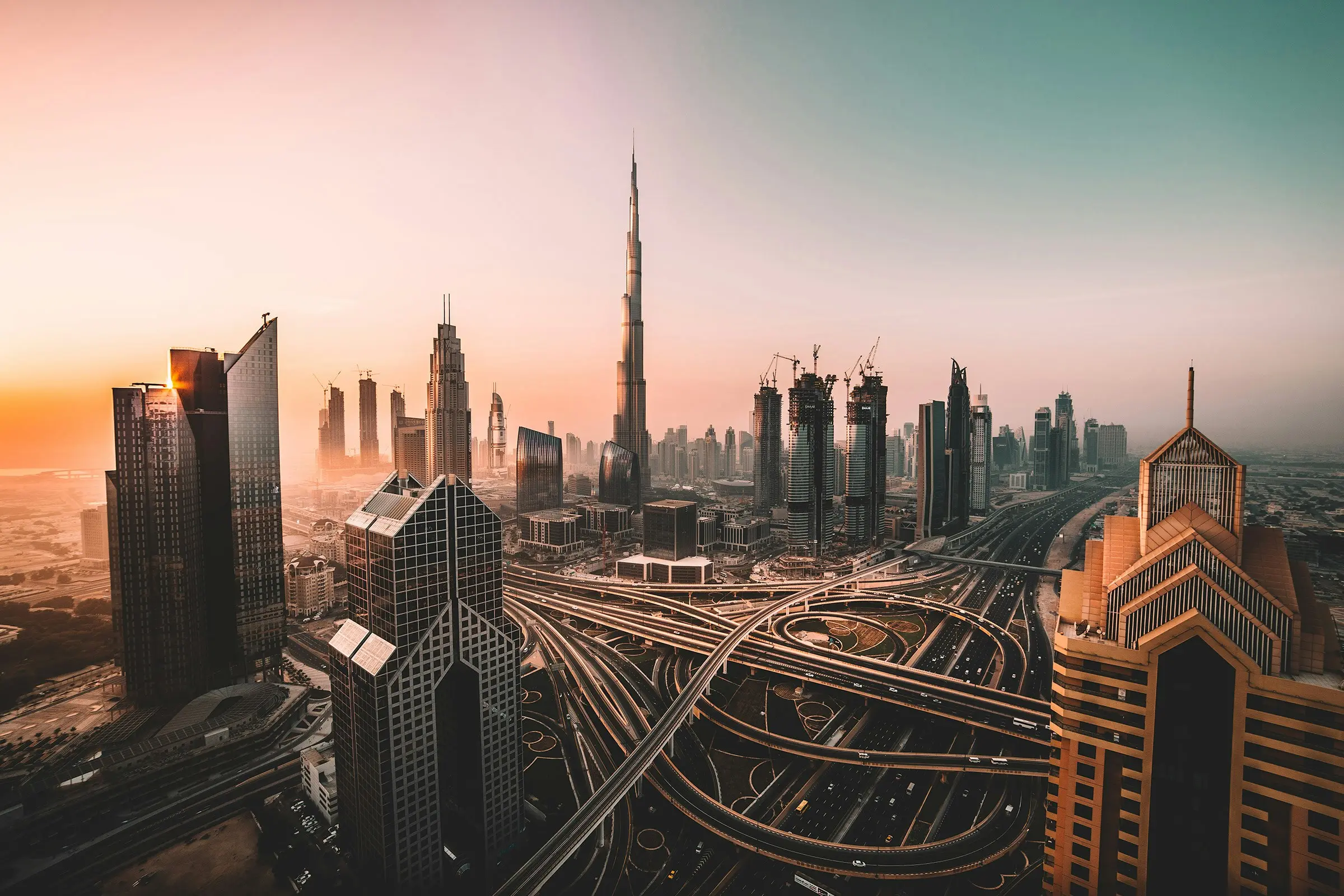
The Neutrality Dividend: Dubai Real Estate Impact — Iran Conflict (March 2026) & The UAE's Shield
While others take sides, Dubai takes the lead—how the UAE’s status as the 'Switzerland of the Middle East' provides ultimate portfolio insurance.

Key Takeaways
- Proactive Diplomatic Shield: The UAE's strategic neutrality in the Iran-Israel conflict acts as a strategic economic moat, shielding property investors from geopolitically driven capital volatility.
- Robust Q1 2026 Growth: Dubai Land Department (DLD) transaction records show Q1 2026 real estate transactions reached AED 252 billion (up 31% in value year-on-year), demonstrating strong momentum despite regional tensions.
- AED-USD Currency Peg: The UAE Dirham's peg to the US Dollar guarantees liquidity and acts as a safe haven against currency devaluations in surrounding emerging markets.
- Structured Safe Harbors: Pathway options like the 10-Year Golden Visa (for property investments over AED 2 million) continue to anchor long-term capital from Europe, CIS, and the GCC.
The Neutrality Dividend: Dubai Real Estate Impact — Iran Conflict (March 2026) & The UAE's Shield
TL;DR / Key Takeaways
- Proactive Diplomatic Shield: The UAE's strategic neutrality in the Iran-Israel conflict acts as a strategic economic moat, shielding property investors from geopolitically driven capital volatility.
- Robust Q1 2026 Growth: Dubai Land Department (DLD) transaction records show Q1 2026 real estate transactions reached AED 252 billion (up 31% in value year-on-year), demonstrating strong momentum despite regional tensions.
- AED-USD Currency Peg: The UAE Dirham's peg to the US Dollar guarantees liquidity and acts as a safe haven against currency devaluations in surrounding emerging markets.
- Structured Safe Harbors: Pathway options like the 10-Year Golden Visa (for property investments over AED 2 million) continue to anchor long-term capital from Europe, CIS, and the GCC.
Introduction: The Profitable Stance of Strategic Neutrality
While global markets face geopolitical tremors, the United Arab Emirates has leveraged its long-standing foreign policy of pragmatic neutrality to establish an economic sanctuary. In March 2026, as conflicts involving Iran, regional actors, and international interests dominate headlines, the term "neutrality" has proven to be a highly active economic catalyst. For investors monitoring the Dubai property market, the country's diplomatic position is the ultimate unseen factor driving resilience.
By refusing to take sides in regional conflicts, the UAE keeps its trade corridors, financial lines, and borders open to global participants. This "Neutrality Dividend" acts as a protective shield for international capital. When buying property in Dubai, foreign investors are not merely acquiring square footage in a luxury high-rise; they are investing in a stable sovereign framework designed to insulate capital from surrounding geopolitical shocks.
The UAE's Diplomatic Shield: Structural Neutrality as an Economic Moat
The UAE's strategic neutrality is built on multi-directional diplomacy, trade diversification, and deep global partnerships. Through initiatives like the Comprehensive Economic Partnership Agreements (CEPAs) and its entry into expanded multilateral blocks, the UAE has decoupled its local economy from regional conflict cycles.
The International Monetary Fund (IMF) has consistently highlighted the UAE's structural resilience in its Article IV consultations, pointing out that broad-based non-oil growth (which contributes approximately 75% of GDP) and substantial sovereign wealth buffers protect the nation's financial systems. This structural safety is further enhanced by internal security and world-class regulatory bodies like the Dubai Land Department (DLD) and the Real Estate Regulatory Agency (RERA), which enforce Western-style transparency.

This environment is particularly appealing to High-Net-Worth Individuals (HNWIs) who require a secure port for their assets during periods of global stress. Rather than suffering capital erosion from domestic instability or international sanctions, investors use Dubai as a secure wealth vault. This trend has shifted the market from short-term speculation to long-term wealth preservation, supported by institutional capital inflows.
The Currency Peg: Currency Protection in Volatile Times
A critical pillar of Dubai's attraction during geopolitical tension is the UAE Dirham’s peg to the United States Dollar (AED 3.6725 = USD 1). In times of crisis, emerging market currencies in the Middle East, Eastern Europe, and South Asia often experience severe volatility and rapid depreciation.
For international property buyers, the peg guarantees:
- Asset Valuation Stability: Since the Dirham moves in lockstep with the US Dollar, international investors do not face exchange rate devaluation on their property assets.
- Predictable Cash Flows: Landlords receive rental yields in a stable, USD-equivalent currency, ensuring predictable returns on investment.
- Liquidity Preservation: The currency peg facilitates seamless international transactions, allowing investors to exit or expand their property portfolios without losing value to currency conversions.
This currency stability makes Dubai real estate behave similarly to US Dollar-denominated sovereign bonds, but with the added benefits of tangible asset growth and rental yields that frequently range between 6% and 9% net.
Real Estate Performance: Q1 2026 Transaction Evidence
Rather than slowing down due to geopolitical anxieties, the Dubai real estate market has experienced record-setting activity in the first quarter of 2026. The latest transaction reports published by the Dubai Land Department (DLD) demonstrate that investor confidence has remained strong:
- Total Transaction Value: In Q1 2026, the total value of real estate transactions in Dubai reached AED 252 billion, representing a 31% increase in value compared to the same period in 2025.
- Transaction Volume: Dubai registered 60,303 property transactions during Q1 2026, a 6% volume growth year-on-year.
- Investor Inflow: Over 129,400 new investors entered the Dubai property market over the preceding twelve months, showcasing the widening international appeal of the emirate.

The off-plan residential sector and the ultra-luxury villa segment have been the primary drivers of this growth. Prime areas such as Palm Jumeirah, Dubai Hills Estate, and Business Bay have continued to attract international buyers, cementing Dubai's position as a premium global hub.
Demographic Analysis of Capital Inflows
Geopolitical stress acts as a wealth filter, directing capital from unstable areas into neutral zones. In March 2026, demographic analysis shows distinct motivations across investor groups:
| Investor Origin | Key Motivation for 2026 Investment | Preferred Property Segments in Dubai |
|---|---|---|
| Western Europe & UK | Tax mitigation, hedge against low economic growth | Prime Waterfront, Branded Residences, Penthouses |
| Middle East & Levant | Physical safety, wealth protection from regional inflation | Ready-to-move-in Apartments, Mid-Market Townhouses |
| CIS & Russia | Long-term residency, stable banking, geopolitical sanctuary | Luxury Villas, Dubai Golden Visa Assets, Land plots |
| East & South Asia | Business expansion, portfolio diversification in GCC | Off-plan high-yield apartments, Commercial Spaces |
This diverse investor base ensures that the market does not rely on any single geographic region. If capital inflows from one country decrease due to localized conditions, inflows from another region typically rise to offset the difference, maintaining overall liquidity.
Mitigating Risk: Supply Chain Logistics & Escrow Protections
While strategic neutrality protects Dubai's financial systems, global tensions can introduce secondary challenges, particularly in construction supply chains. Heightened shipping risks in regional waters can delay the import of building materials, potentially impacting project delivery timelines.
To mitigate these risks and protect buyers, the Dubai government has implemented a strict regulatory framework:
- Project Escrow Accounts: Under UAE law, developers must deposit all buyer installments into a dedicated escrow account managed by an approved financial institution. Funds can only be released to the developer in stages as construction milestones are verified by DLD inspectors.
- Developer Equity Requirements: Developers must own the project land fully and deposit a 20% construction guarantee before launching off-plan sales, preventing undercapitalized developers from halting projects.
- RERA Oversight: The Real Estate Regulatory Agency monitors construction progress. In the rare event of project delays, RERA has the authority to transfer the project to another developer or liquidate the assets to refund investors.
These measures ensure that even if supply chain delays occur, investors' financial assets remain protected, minimizing the risks associated with off-plan property purchases.
Frequently Asked Questions (FAQs)
How safe is my real estate investment during regional geopolitical conflict?
The UAE’s proactive diplomatic neutrality and advanced air defense infrastructure make it one of the safest nations in the world. Historically, regional geopolitical tensions have driven capital into Dubai as investors seek a secure safe haven, supporting local property demand and transaction volumes.
How does the AED currency peg benefit foreign property buyers?
The UAE Dirham (AED) is pegged to the US Dollar (USD) at a fixed rate of 3.6725. This removes exchange rate risk, protects the USD-equivalent valuation of your property asset, and ensures that your rental income retains its purchasing power globally.
What is RERA's role in protecting investors from project delays?
RERA manages developer escrow accounts and verifies construction milestones before releasing buyer funds. This structure ensures that developer activities are fully funded and that projects are built to completion, offering legal protection to international buyers.
How can AiGentsRealty's Sophia help me identify neutral safe-haven properties?
Sophia, our advanced AI assistant, utilizes real-time integration with the Dubai Land Department and our proprietary market database. Sophia can analyze current yield profiles, filter properties by verified construction milestones, highlight developer escrow compliance, and shortlist prime assets that offer optimal wealth protection during geopolitical volatility.
Related AiGentsRealty Resources
- Browse Current Dubai Project Launches
- Explore Dubai Neighborhoods & Area Guides
- Read Dubai Real Estate Investment Insights
Sources and Further Reading
- Dubai Land Department: Official Portal for Real Estate Data
- Dubai REST Application: Verified DLD Transaction Records
- International Monetary Fund: IMF United Arab Emirates Executive Board Consultation Statement
- UAE Government Portal: Federal Residency and Golden Visa Guidelines
Practical Due Diligence Checklist
Use this analysis as a framework for your property search, then verify specific asset details before committing. Review historical transaction prices for similar units in the building or community, calculate the total acquisition cost including DLD registration fees (4%) and agency commissions, and check projected service charges. For off-plan purchases, confirm the escrow account details, verify developer construction progress on the DLD REST app, and review the developer's delivery history. For ready properties, inspect unit conditions, occupancy levels, and parking allocations to ensure realistic rental projections.
Frequently Asked Questions
How safe is my real estate investment during regional geopolitical conflict?
The UAE’s proactive diplomatic neutrality and advanced air defense infrastructure make it one of the safest nations in the world. Historically, regional geopolitical tensions have driven capital into Dubai as investors seek a secure safe haven, supporting local property demand and transaction volumes.
How does the AED currency peg benefit foreign property buyers?
The UAE Dirham (AED) is pegged to the US Dollar (USD) at a fixed rate of 3.6725. This removes exchange rate risk, protects the USD-equivalent valuation of your property asset, and ensures that your rental income retains its purchasing power globally.
What is RERA's role in protecting investors from project delays?
RERA manages developer escrow accounts and verifies construction milestones before releasing buyer funds. This structure ensures that developer activities are fully funded and that projects are built to completion, offering legal protection to international buyers.
How can AiGentsRealty's Sophia help me identify neutral safe-haven properties?
Sophia, our advanced AI assistant, utilizes real-time integration with the Dubai Land Department and our proprietary market database. Sophia can analyze current yield profiles, filter properties by verified construction milestones, highlight developer escrow compliance, and shortlist prime assets that offer optimal wealth protection during geopolitical volatility.
Editorial Team
AiGentsRealtyThe AiGentsRealty editorial team consists of real estate experts, market analysts, and property consultants with over 20 years of combined experience in the Dubai real estate market.
Related Articles
Dubai Property Market News: This Week's Transaction, Listing and Source Dates
A date-aware Dubai property market news guide separating DLD registration reporting, portal asking-price observations, and developer availability snapshots for the 17–22 August 2026 reporting period.
Market NewsCedre Villas in Dubai Silicon Oasis: Buyer Research Guide
A source-aware guide to researching Cedre Villas in Dubai Silicon Oasis: documented home formats and sizes, dated portal asking-price examples, comparison questions and unit-specific due diligence.
Market NewsHow to Ask Sophia a Property Research Question in Dubai
A practical Dubai property-research framework: define your goal, location, requirements, budget, timing, constraints and desired output, then separate published information from details needing advisor or official confirmation.
Ready to Invest in Dubai?
Use Sophia AI to compare Dubai property options based on your budget, goals, and preferences.
Ask Sophia AI