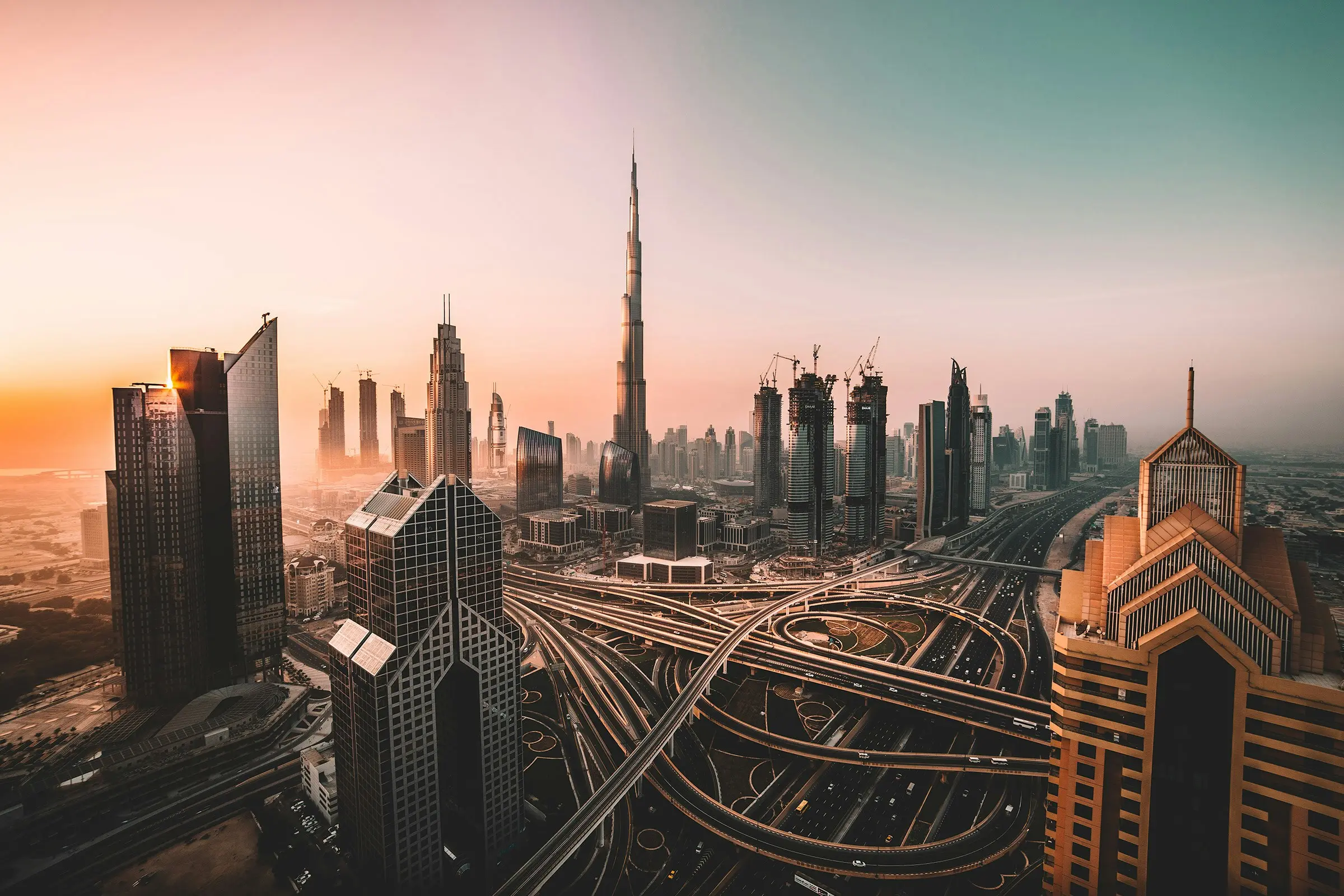
The Cranes Don't Stop: Dubai Property Market Update (March 2026) vs. Regional Conflict Noise
A $35B airport expansion says more than a thousand headlines; find out why Dubai's 2030 vision is winning the war for investor confidence.

Key Takeaways
- Dubai's property market demonstrated robust stability in March 2026, recording over 13,000 sales transactions despite regional tensions.
- Off-plan sales accounted for 70% to 76% of all transactions, showing high investor confidence in pre-construction projects.
- The $35 billion Al Maktoum International Airport expansion serves as a major long-term driver, keeping investor demand high.
- Resale transactions remained highly profitable, particularly in the villa and land plot segments.
The Cranes Don't Stop: Dubai Property Market Update (March 2026) vs. Regional Conflict Noise
TL;DR / Key Takeaways
- Strategic Momentum: Dubai’s long-term infrastructure projects (Vision 2030/2033) provide a stable "floor" for the real estate market, shielding it from short-term geopolitical shocks.
- Airport Expansion: The Al Maktoum International Airport expansion is a $35 billion signal of confidence that outweighs temporary regional tensions.
- Supply Wave: Nearly 120,000 units are expected for handover in 2026, meeting the demand of a population projected to hit 5 million by 2030.
- Resilient Activity: Over 13,000 property sales transactions were recorded in March 2026 alone, with off-plan sales representing 70% to 76% of the total volume.
- Market Sentiment: Geopolitical noise is viewed as temporary, whereas government-led master plans act as the true long-term driver.

Introduction: The Battle of Noise vs. Signal
A $35 billion airport expansion says more than a thousand headlines. In the world of global finance, there is "noise" and there is "signal." For anyone reading the dubai property market update march 2026, the daily reports of regional conflict involving Iran, Israel, and the US represent noise—urgent, distracting, but ultimately temporary. The signal, however, is the sound of thousands of cranes across the skyline. Dubai’s growth is not a reactive phenomenon; it is a planned, multi-decade trajectory.
The true impact of Middle East conflict on the Dubai real estate market in 2026 must be viewed through the lens of Dubai’s 2030 and 2033 visions. While regional tensions create short-term volatility in international stock markets, the fundamental commitment to infrastructure ensures that the Dubai real estate market remains an attractive asset class. Dubai continues to offer a safe haven for global capital, drawing investors who value safety, stability, and tax-free rental returns.
The Infrastructure Shield: Vision 2030
The Dubai real estate market's resilience in March 2026 has been significantly supported by the sheer scale of ongoing government projects. When a city is investing $35 billion into the world's largest airport (Al Maktoum International) and expanding its public transport network, it is not a city that expects to be sidelined by regional instability.
Dubai South: The New Center of Gravity
Dubai South is the physical manifestation of the UAE’s confidence. As the home of the airport expansion and the site of massive residential and commercial growth, this district is decoupled from the conflict rhetoric seen in international media. Investors in March 2026 are looking past the headlines and focusing on the 10-year capital appreciation potential of the "Airport City" model. Land prices and townhouse sales in Dubai South have seen steady appreciation, reflecting this long-term confidence.
Dubai Metro Blue Line Expansion
The $5 billion Metro Blue Line expansion, scheduled for completion by 2029, is another critical infrastructure anchor. Connecting established areas with emerging mid-market hubs, the Blue Line will enhance pedestrian mobility and drive up property valuations along its route. This infrastructural development provides a reliable cushion against external economic shocks, guaranteeing that the city remains attractive to working professionals and families alike.
Data Insights: Infrastructure vs. Geopolitics
Understanding the real estate prices and impact during geopolitical tensions requires a comparison between project investment and market volatility:
| Infrastructure Project | Estimated Investment | Targeted Completion | Impact on Surrounding Real Estate |
|---|---|---|---|
| Al Maktoum Int. Airport | $35 Billion | 2030+ | +15-20% projected growth for Dubai South |
| Palm Jebel Ali | Multi-Billion | Ongoing | Ultra-luxury scarcity play, beachfront premium |
| Dubai Metro Blue Line | $5 Billion | 2029 | Enhanced connectivity for mid-market hubs |
| Education 33 (E33) | Government Priority | 2033 | Driving long-term family residency and nursery demand |
These projects are backed by sovereign commitments, making them independent of temporary shifts in regional relations. The focus remains on making Dubai the world's top city to live, work, and invest in.

Strategic Decoupling and the Safe Haven Premium
The fundamental reason why Dubai remains insulated from regional geopolitical tensions lies in its policy of "Strategic Decoupling." By maintaining absolute political neutrality in the Middle East and cultivating strong trade relations with global superpowers (including the United States, Europe, China, and India), the UAE ensures that its economic engines are shielded from external conflict. Furthermore, the local currency (UAE Dirham) is pegged directly to the US Dollar, protecting international investors from currency volatility and inflation risks. When compared to other global hubs like London, New York, or Paris, Dubai offers a unique combination of high safety ratings, low crime rates, tax-free rental income, and a highly streamlined business setup environment, making it the preferred choice for family relocations and wealth preservation during global uncertainties.
Education 33 (E33) Drive and Family Residency
Dubai's long-term growth is not driven by speculators, but by families establishing roots. The Dubai government's Education 33 (E33) initiative is a core policy designed to attract international schools, premium nurseries, and world-class universities to the emirate. By offering developers incentives to build educational clusters near residential areas, the government is ensuring that new master communities (like JVC, DAMAC Hills, and Dubai South) are self-sufficient. This focus on family infrastructure directly translates to real estate stability: families with school-age children prefer to renew their tenancy contracts or purchase permanent residences rather than relocate, driving down tenant turnover rates and ensuring consistent rental demand for property owners.
Tourism and DTCM Performance in 2026
Tourism continues to serve as a massive catalyst for Dubai's real estate, particularly in the short-term rental and hospitality sectors. In Q1 2026, the Dubai Department of Economy and Tourism (DET/DTCM) reported record visitor numbers, with hotel occupancy rates exceeding 80% across the city. This tourist influx directly supports the holiday home market in waterfront districts like Dubai Marina, Palm Jumeirah, and Jumeirah Beach Residence. Investors utilizing short-term rental strategies are achieving premium yields, driven by high demand for serviced apartments and villas. The DTCM's progressive regulation of holiday homes ensures safety, licensing compliance, and standardized quality, providing a secure and highly profitable investment environment.
The "Cranes Don't Stop" Mentality
Why is the Dubai real estate market impact less severe than anticipated? Because the UAE has mastered the art of "Strategic Decoupling." By maintaining absolute neutrality and establishing strong trade relationships globally, the UAE ensures that its economic engines—tourism, trade, and construction—never stall.
1. Off-Plan Market Dominance (70% - 76% of Deals)
In March 2026, off-plan properties played a pivotal role in sustaining market value, accounting for approximately 70% to 76% of total sales volume and value. Buyers continue to utilize developer-backed payment plans (such as 60/40 or 70/30) to acquire prime real estate before handover, locking in lower entry costs and enjoying capital appreciation during the construction phase.
2. The Resale Market and Profitability
Despite external news, resale transactions in the secondary market remained highly active. DLD data indicates that resale deals accounted for thousands of transactions in March, with a high percentage of sellers realizing substantial capital gains. The villa segment and land plots in premium communities delivered the highest median profits, demonstrating the depth of end-user demand.
3. Investor Base Diversification
While previous cycles were heavily reliant on specific buyer nationalities, the 2026 investor base is highly diversified. Wealthy buyers from Europe, the UK, Central Asia, and the Far East continue to relocate their capital to Dubai, seeking tax-free asset classes and residency security via the Golden Visa program.
Rental Market Stability
The rental sector in March 2026 showed upward pressure, driven by strong residential demand. Rent rates for new residential contracts saw a year-on-year increase, particularly in the villa segment where supply is limited. A significant portion of tenancy contracts registered were renewals, showing that residents prefer to stay in the city long-term, which supports steady cash flow for buy-to-let investors.
Actionable Advice for Investors in March 2026
If you are evaluating the Dubai real estate market during periods of geopolitical uncertainty, keep these strategies in mind:
- Focus on the Yield Floor: Mid-market apartments in communities like JVC, Arjan, and Dubai South continue to deliver 6% to 8% gross yields, providing a reliable income stream regardless of international headlines.
- Look for Ready Properties if Yield-Focused: Ready properties offer immediate rental income, minimizing developer delivery risks.
- Property Diversification: Combining a high-yield mid-market apartment with a capital-growth waterfront property allows you to balance your portfolio.
- Partner with Reputable Developers: Always check the developer's historical delivery record and escrow accounts to ensure your investment is protected.
Frequently Asked Questions
How does the Al Maktoum Airport expansion affect the Dubai property market update in March 2026?
The airport expansion is the single largest driver of long-term value in the southern corridor. It creates a new economic hub that is expected to house over 1 million people, making current regional tensions appear as a minor blip in a 50-year growth story.
Is the 2026 supply wave a risk during regional conflict?
While supply is increasing, it is targeted at the expanding professional class and families. The stability of Dubai has actually increased demand for completed, ready-to-move-in units as people seek immediate safety and residency options.
What is the impact of middle east conflict on Dubai real estate market 2026 in terms of construction?
Construction timelines in Dubai remain unaffected by regional tensions. The supply chain for materials is global, and the workforce is diverse, ensuring that the 2030 vision remains on track regardless of headlines.
What percentage of transactions were off-plan in March 2026?
Off-plan transactions continued to lead the market, accounting for approximately 70% to 76% of total sales volume and value during March 2026.
Sources
Frequently Asked Questions
How does the Al Maktoum Airport expansion affect the Dubai property market update in March 2026?
The airport expansion is the single largest driver of long-term value in the southern corridor. It creates a new economic hub that is expected to house over 1 million people, making current regional tensions appear as a minor blip in a 50-year growth story.
Is the 2026 supply wave a risk during regional conflict?
While supply is increasing, it is targeted at the expanding professional class and families. The stability of Dubai has actually increased demand for completed, ready-to-move-in units as people seek immediate safety and residency options.
What is the impact of middle east conflict on Dubai real estate market 2026 in terms of construction?
Construction timelines in Dubai remain unaffected by regional tensions. The supply chain for materials is global, and the workforce is diverse, ensuring that the 2030 vision remains on track regardless of headlines.
What percentage of transactions were off-plan in March 2026?
Off-plan transactions continued to lead the market, accounting for approximately 70% to 76% of total sales volume and value during March 2026.
Editorial Team
AiGentsRealtyThe AiGentsRealty editorial team consists of real estate experts, market analysts, and property consultants with over 20 years of combined experience in the Dubai real estate market.
Related Articles
Dubai Property Market News: This Week's Transaction, Listing and Source Dates
A date-aware Dubai property market news guide separating DLD registration reporting, portal asking-price observations, and developer availability snapshots for the 17–22 August 2026 reporting period.
Market NewsCedre Villas in Dubai Silicon Oasis: Buyer Research Guide
A source-aware guide to researching Cedre Villas in Dubai Silicon Oasis: documented home formats and sizes, dated portal asking-price examples, comparison questions and unit-specific due diligence.
Market NewsHow to Ask Sophia a Property Research Question in Dubai
A practical Dubai property-research framework: define your goal, location, requirements, budget, timing, constraints and desired output, then separate published information from details needing advisor or official confirmation.
Ready to Invest in Dubai?
Use Sophia AI to compare Dubai property options based on your budget, goals, and preferences.
Ask Sophia AI