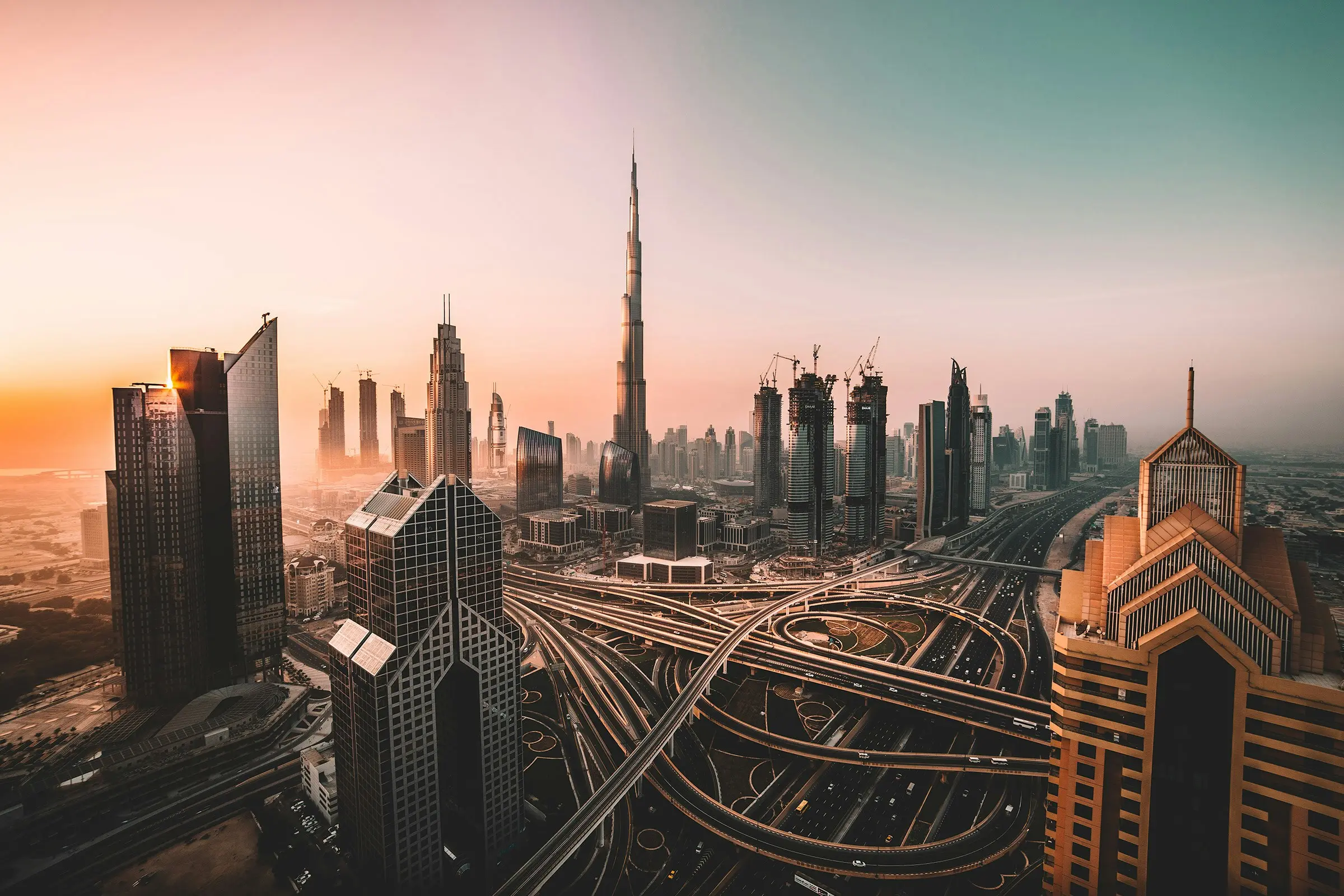
Dubai Property Investment Mistakes to Avoid 2026
Common mistakes Dubai property investors make. How to avoid pitfalls and maximize returns. Essential guide.

Key Takeaways
- Service Charge Impact: High maintenance costs (regulated by the RERA Service Charge Index) can reduce net yields by 2% to 3%. Investors must audit historical charges before purchasing.
- Friction Cost Budgeting: Upfront transaction costs average 6% to 8% of the purchase price (including 4% DLD fee, 2% agency commission, and trustee fees), which must be paid in cash.
- Developer Verification: Choosing Tier-3 developers without verifying their RERA escrow status and delivery record increases the risk of building delays and low-quality finishes.
- Location & Demographics: Core, transit-connected areas (like Business Bay or Dubai Marina) provide higher liquidity and occupancy rates than cheaper, oversized suburban units.
- Future View Protection: Buying properties solely for aesthetic reasons (like a Burj Khalifa view) without checking municipal zoning maps can lead to loss of view due to future adjacent projects.
Dubai Property Investment Mistakes to Avoid 2026
TL;DR: Dubai’s real estate market offers high yields and capital appreciation, but rookie mistakes can severely damage investor returns. In 2026, avoiding common pitfalls—such as ignoring service charges, underestimating transaction costs, failing to audit developers, and buying for emotional reasons—is critical to securing a profitable portfolio. By conducting rigorous due diligence and budgeting for upfront friction costs, investors can maximize net yields and ensure long-term wealth preservation.
The Dubai property market continues to stand out as a global powerhouse in 2026. Attracted by tax-free rental income, high yields, and stable regulatory frameworks, international and domestic capital continues to flow into the emirate. However, as transaction volumes rise, so does the risk for inexperienced buyers. Entering the market without a clear understanding of local regulations, total transaction costs, and property management realities can lead to expensive errors.
This comprehensive guide breaks down the five most critical real estate investment mistakes to avoid in Dubai, backed by official regulations, and provides practical strategies to secure your investment portfolio.

Mistake 1: Ignoring Service Charges (The Yield Killer)
One of the most frequent mistakes made by first-time investors is calculating rental yields purely on a gross basis. A property advertised with an attractive 8% gross yield can quickly become a low-performing asset if service charges are high.
What are Service Charges?
In Dubai, service charges (also known as maintenance fees) are recurring fees paid by property owners to cover the upkeep of a building's common areas, including swimming pools, gymnasiums, security, landscaping, elevators, and cleaning. These charges are calculated per square foot of the property's total area and are governed by the Real Estate Regulatory Agency (RERA) Service Charge Index.
The Impact on Net ROI
In premium luxury areas, such as Downtown Dubai, Palm Jumeirah, or Jumeirah Beach Residence (JBR), service charges can range from AED 15 to over AED 35 per square foot. For a 1,000-square-foot apartment, this translates to AED 15,000 to AED 35,000 in annual maintenance costs.
- Example A (Core Studio): A studio purchased for AED 800,000 rents for AED 64,000 (8% gross yield). With service charges of AED 12 per sq ft on a 500 sq ft unit (AED 6,000), the net rent is AED 58,000, representing a 7.25% net yield.
- Example B (Luxury Branded Tower): A luxury 1-bedroom purchased for AED 2,500,000 in Downtown Dubai rents for AED 180,000 (7.2% gross yield). With service charges of AED 35 per sq ft on a 1,000 sq ft unit (AED 35,000), the net rent is AED 145,000, dragging the net yield down to 5.8%.
The Solution: Before signing a Sale and Purchase Agreement (SPA), request the official service charge history of the building or check the specific community rates on the DLD Service Charge Index portal. Factor these fees directly into your cash flow models.
Mistake 2: Failing to Audit Developer Track Records and Escrow Accounts
The appeal of off-plan properties—which offer lower entry prices, flexible payment plans, and high potential capital appreciation during construction—remains a dominant theme. However, buying off-plan from unverified developers carries substantial risk, including delayed handovers, poor construction quality, and even project cancellation.
Tier-1 vs. Lower-Tier Developers
While Tier-1 master developers (like Emaar, Nakheel, and Sobha) have proven track records of timely delivery, many private developers (Tier-2 and Tier-3) enter the market during booms. Some of these developers lack the liquidity or project management capacity to deliver on time, leading to handovers delayed by 12 to 36 months.
The Escrow Account Safety Net
To protect consumers, the Dubai government mandates that all developers selling off-plan properties must set up a dedicated Escrow Account at an approved bank for each project. Every dirham paid by the buyer must be deposited directly into this account. The developer cannot access these funds for general company operations; instead, the bank releases payments in phases based on physical construction milestones verified by DLD inspectors.
The Solution: Never transfer reservation deposits directly to a developer's general corporate bank account. Always verify that:
- The developer is licensed and registered with RERA.
- The specific off-plan project has an active Escrow account registered at the DLD.
- You can track construction milestones and escrow balances using the official Dubai REST application.
Mistake 3: Prioritizing Size Over Location and Transit Connectivity
A common trap for value-conscious buyers is selecting a property based on its price-per-square-foot, which leads them to buy large apartments in secondary or emerging suburban communities. While a massive 3-bedroom villa in a far-flung district might look like a bargain compared to a 1-bedroom in Business Bay, its investment performance may tell a different story.
Tenant Demand and Demographic Alignment
In real estate, yield and liquidity are driven by tenant demand. The vast majority of Dubai's tenant demographic consists of young professionals, corporate couples, and executives. These tenants prioritize:
- Proximity to employment hubs (such as DIFC, Business Bay, and Dubai Internet City).
- Public transit connectivity (specifically metro stations).
- Lifestyle amenities (walkable retail, dining, and fitness centers).
A smaller, high-quality 1-bedroom apartment in a transit-connected, central location (like Downtown, Marina, or JLT) will consistently achieve:
- Higher occupancy rates (lower vacancy risk).
- Higher rental growth during market upturns.
- Superior resale liquidity, as cash-ready buyers are more active in core locations.
Conversely, large properties in suburban areas often suffer from longer vacancy periods, higher tenant turnover, and lower resale volumes.
The Solution: Align your property type with the community's primary demographic. Prioritize location, walkability, and transit access over raw square footage.
Mistake 4: Underestimating Upfront Transaction (Friction) Costs
Many investors budget solely for the purchase price of the property, only to discover that they must pay substantial transaction fees in cash before the property can be transferred. Banks in the UAE generally do not finance these transaction costs, meaning the buyer must possess these funds in cash alongside their down payment.
Breakdown of Transaction Fees
For a standard secondary market property transaction in 2026, the upfront fees are as follows:
| Fee Component | Rate / Cost | Paid to | Paid by |
|---|---|---|---|
| DLD Transfer Fee | 4% of property purchase price | Dubai Land Department | Buyer (typically) |
| DLD Admin Fees | AED 580 (Apartments/Villas) / AED 40 (Off-Plan) | Dubai Land Department | Buyer |
| Agency Commission | 2% of property price + 5% VAT | Real Estate Brokerage | Buyer (resale only) |
| Registration Trustee Fee | AED 4,000 + 5% VAT (properties >= AED 500k) | Trustee Office | Buyer |
| Mortgage Registration | 0.25% of loan amount + AED 290 | Dubai Land Department | Buyer (if using finance) |
The Total Friction Cost
For a ready property priced at AED 2,000,000, the buyer must pay approximately AED 125,000 in upfront transaction fees (roughly 6.25% of the purchase price), excluding any mortgage bank fees. Failing to budget for these friction costs can result in transaction failures or force the buyer to take high-interest personal loans.
The Solution: Always set aside 7% to 8% of the purchase price in liquid cash to cover transaction costs, bank valuation fees, and utility setup costs.
Mistake 5: Buying Emotional Aesthetics Over Investment Fundamentals
Many international investors purchase properties based on beautiful brochures, high-concept renders, or attractive views. While aesthetics are important, buying a property based on emotion rather than objective data is a risky strategy.
The Obstructed View Risk
A classic example is paying a 15% to 20% premium for a "Burj Khalifa view" or "unobstructed sea view" in a developing neighborhood. Unless the property sits on a protected shoreline or first-row plot, there is a high likelihood that adjacent vacant land will be developed, blocking the view and causing your property value to decline.
Escrow and Project Lifecycles
Another emotional pitfall is buying into luxury branded concepts without examining the developer's financial capacity to finish the project. A beautifully branded tower is only valuable if it is built.
The Solution:
- Inspect the master plan of the community to identify vacant adjacent plots and verify their zoning limits (e.g., residential, high-rise).
- Rely on data-driven platforms like DXB Interact to analyze historical transaction records and identify realistic price benchmarks, rather than relying on marketing claims.

Summarized Cost Breakdown: AED 2,000,000 Ready Property Purchase
To illustrate the financial impact of transaction costs and yield calculations, consider the following breakdown for a typical AED 2,000,000 apartment purchase in Business Bay:
- Property Purchase Price: AED 2,000,000
- DLD Transfer Fee (4%): AED 80,000
- Agency Commission (2% + VAT): AED 42,000
- Registration Trustee Fee: AED 4,200
- DLD Admin/Title Deed Fee: AED 580
- Utility & Connection Fees (DEWA/Empower): AED 5,000
- Total Cash Outlay for Acquisition: AED 2,131,780
Rental Yield Comparison (Assuming AED 150,000 Annual Rent)
- Gross Rental Yield: 7.50% (AED 150,000 / AED 2,000,000)
- Net Rental Yield (with AED 22,000 Service Charges): 6.00% (AED 128,000 / AED 2,131,780)
Failing to calculate the net yield based on the total cash outlay (including acquisition costs and recurring service charges) leads to unrealistic ROI expectations and poor portfolio planning.
Conclusion: Data-Driven Success
Avoiding real estate investment mistakes in Dubai comes down to one core principle: prioritizing objective data over marketing hype. By auditing developer track records, verifying escrow compliance, budgeting for transaction costs, and auditing recurring service charges, investors can build a highly resilient, high-yield portfolio in one of the world's most dynamic property hubs.
Related AiGentsRealty resources
Sources and further reading
Process and risk checklist
For legal, rental, mortgage, visa, and transaction topics, verify the current rule with the relevant authority or a qualified adviser before acting. Dubai procedures can change, and your nationality, financing method, property type, contract status, and ownership structure can affect the correct process. Keep written documentation, confirm all fees before transfer, and avoid relying on verbal promises when a permit, title deed, tenancy contract, or payment obligation is involved.
The safest approach is to compare the official requirement, the contract wording, and the practical timeline. If those three do not match, pause and clarify before paying a deposit or signing. Good process discipline protects buyers, sellers, landlords, and tenants from avoidable disputes.
Frequently Asked Questions
What is the single biggest financial mistake property investors make in Dubai?
The most common mistake is focusing purely on gross rental yields (e.g., 8-9%) while ignoring service charges and maintenance fees. Service charges in Dubai are calculated per square foot and are regulated by the RERA Service Charge Index. In premium communities like Downtown Dubai or JBR, service charges can range from AED 15 to over AED 35 per square foot. High service charges can erode gross yields, dragging the net ROI down to 5% or 6%. Investors should always calculate net yield by deducting service charges, property management fees, and a vacancy buffer.
What are the exact upfront transaction fees when buying a property in Dubai?
When purchasing a property, buyers must budget approximately 6% to 8% of the property value for upfront friction costs, which cannot be financed via a bank mortgage. These fees include: 1) Dubai Land Department (DLD) Transfer Fee of 4% of the purchase price plus admin fees (AED 580 for ready units, AED 40 for off-plan); 2) Agency Commission of 2% of the purchase price plus 5% VAT; and 3) DLD-authorized Registration Trustee Fee of AED 4,000 plus VAT for properties priced AED 500,000 and above (or AED 2,000 plus VAT for properties below AED 500,000).
How can off-plan investors verify that their developer is legally authorized and their funds are safe?
Investors must verify the developer's credentials and escrow account registration through the official Dubai Land Department (DLD) or RERA portals, such as the Dubai REST mobile app. Under Dubai law, every off-plan project must have a dedicated Escrow account at an approved bank. All buyer payments must be deposited directly into this escrow account, not the developer's general business account. The bank only releases funds to the developer based on verified construction progress audits conducted by DLD inspectors. Purchasing from developers without active, registered escrow accounts is a major legal risk.
Why is buying for an aesthetic view considered a risky strategy in Dubai?
Buying a property at a premium price specifically for its view (e.g., Burj Khalifa, sea view, or golf course) carries risk unless the view is protected by zoning laws. Due to rapid construction, adjacent vacant plots are often developed into newer towers, obstructing the original view and causing property value to decline. Investors should check municipal zoning maps and consult master community masterplans to verify if a view is legally protected or if adjacent plots are zoned for high-rise developments.
Genie AI
AI Property AdvisorGenie AI is an advanced artificial intelligence system that analyzes thousands of data points to provide personalized real estate investment recommendations. Powered by Dubai Land Department data, market trends, and sophisticated algorithms, Genie AI helps investors make data-driven decisions.
Related Articles
Dubai vs US Real Estate: Compare Ownership Friction, Income Evidence and Exit Assumptions
A source-backed method for U.S. investors to compare Dubai and U.S. property through matched ownership, income, currency, financing and exit assumptions.
Tips & TricksDubai Hotel Apartment Investment: Examine the Operating Model Before the Return Story
Dubai hotel apartment due diligence should begin with the operating model, not a return headline. Separate title and property status, establishment licensing, the operator agreement, owner-use rules, approved service charges, lender treatment and completed-sale evidence before modeling any outcome.
Tips & TricksDubai Villa vs Apartment: Compare Daily Use, Shared Services and Exit Questions
A no-winner framework for comparing Dubai villas and apartments through daily journeys, shared-service evidence, and property-specific exit checks.
Ready to Invest in Dubai?
Use Sophia AI to compare Dubai property options based on your budget, goals, and preferences.
Ask Sophia AI