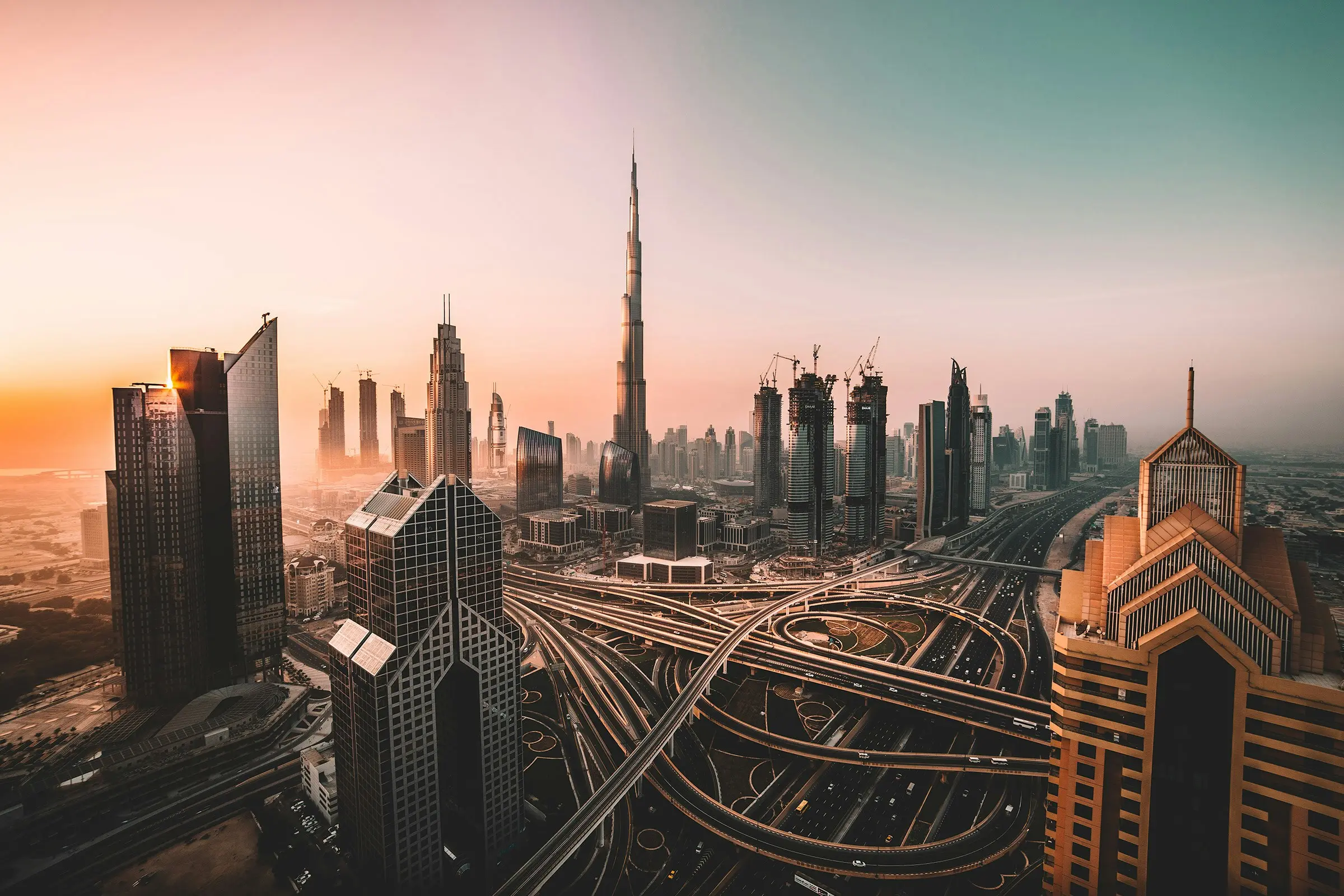
Developer Confidence: Are Payment Plans Shifting One Week Into the Conflict?
Analyzing how major Dubai developers are responding to the recent Middle East tensions. Are we seeing desperate payment plans, or business as usual?

Key Takeaways
- One week into the 2026 regional tensions, Tier 1 developers (Emaar, Nakheel, Aldar) have maintained their launch schedules and pricing models.
- Developers have not introduced aggressive promotional payment plans or post-handover terms, reflecting strong internal booking demand.
- Dubai's strict escrow account regulations under Law No. 8 of 2007 ensure that developments are self-funded and protected from developer cash-flow defaults.
- High cash transaction volumes (over 70%) and geopolitical neutrality insulate Dubai's real estate sector, acting as a global safe haven for capital.
Developer Confidence: Are Payment Plans Shifting One Week Into the Conflict?
When macroeconomic or geopolitical shocks occur in the Middle East, global observers immediately look at Dubai's real estate market. In previous cycles, sudden geopolitical or economic shocks would send ripples through the sector, leading to delayed launches, price cuts, and aggressive promotional payment plans as developers scrambled to secure buyers.
However, one week into the escalated regional tensions between Iran and Israel in early 2026, the initial transaction and launch data tells a completely different story. Rather than pausing or altering their strategies, Dubai's major developers have demonstrated absolute confidence, maintaining their launch schedules, pricing models, and payment structures.
This comprehensive guide analyzes developer behavior one week into the tension, comparing it to previous historical cycles, explaining the regulatory cushions that support the market, and outlining what this means for off-plan investors.
1. The Safe-Haven Framework: Why Dubai Remains Insulated
Geopolitical tension often triggers a "flight to safety" where capital moves away from volatile regions and into secure, politically neutral hubs. Dubai has spent decades structuring its economy to serve precisely this role.
Pillars of Safe-Haven Status:
- Political Neutrality: The UAE maintains a strict foreign policy of non-alignment, diplomatic dialogue, and open trade. This neutrality ensures that its domestic investment climate is insulated from regional conflicts.
- Economic Diversification: Under programs like the Dubai Economic Agenda (D33), the city is no longer a purely oil-dependent economy. It is a global center for tourism, digital technology, trade, and financial services.
- Currency Stability: The UAE Dirham (AED) is pegged directly to the US Dollar (USD), protecting international investors from local currency devaluations during times of global friction.
- Tax Efficiency: With zero income tax and zero capital gains tax on residential property, the net return profile remains highly attractive regardless of global market sentiment.

2. Tier 1 Developers: Business as Usual
The most reliable gauge of market confidence comes from the actions of Tier 1 developers—namely government-linked giants like Emaar Properties, Nakheel, and Aldar (expanding from Abu Dhabi). One week into the tensions, there has been zero alteration to their launch pipelines or pricing structures.
Launch and Sales Absorption
Emaar Properties proceeded with planned off-plan releases in its master communities, including Dubai Hills Estate and Dubai Creek Harbour. Rather than offering discounts or extending payment schedules, pricing remained firm, and launches experienced rapid absorption from cash-rich international buyers.
Maintaining Payment Structure Integrity
Unlike previous recessions where developers offered "10/90" plans (10% during construction, 90% at handover) or post-handover payment terms of 3 to 5 years, Tier 1 developers have maintained standard construction-linked payment plans (such as 80/20 or 70/30). They have not introduced panic-driven promotions like waived DLD fees or guaranteed rental returns, signaling that their internal booking queues remain strong.
3. Mid-Market Developer Response: Danube, Sobha, and Samana
In the highly competitive mid-market segment, where private developers like Danube, Samana, and Sobha operate, payment plans are a key marketing tool.
Danube's 1% Payment Plan Standard
Danube Properties, famous for pioneering the "1% monthly payment plan" (where buyers pay 1% of the property value per month during construction), has held its ground. One week into the tension, Danube has not added extra incentives (such as free furniture, extended post-handover timelines, or payment holidays) to attract buyers.
Sobha's Premium Focus
Sobha Realty, known for its premium finishes and massive Sobha Hartland master plans, has maintained its standard payment plan structures (typically 60/40 or 80/20 depending on the project phase). The developer's focus remains on executing construction schedules on time, supported by a healthy backlog of pre-sold inventory.

4. Supply Chain Resilience and Global Logistics Integration
A critical factor backing developer confidence in 2026 is the maturity of Dubai's supply chains. In previous decades, regional geopolitical tensions would threaten the delivery timelines of major developments due to a heavy reliance on imported finishing materials and mechanical equipment from Europe and East Asia. If regional shipping lanes experienced disruptions, local projects would quickly grind to a halt.
To mitigate these risks, Dubai's major developers have spent the past several years diversifying their procurement strategies. Tier 1 developers now employ vertical integration and regional sourcing:
- Local and Regional Procurement: A significant portion of construction materials, including cement, steel, glass, and aluminum, is now manufactured within the UAE or sourced from neighbouring GCC countries (such as Saudi Arabia and Oman). This reduces exposure to international shipping bottlenecks.
- Advanced Bulk Contracting: Large-scale developers like Emaar and Sobha secure raw materials through long-term bulk agreements, hedging against short-term price spikes. Sobha Realty, for instance, uses a backwards-integrated model, producing its own cabinetry, facades, and furniture locally.
- Logistical Alternatives (Etihad Rail and Jebel Ali Port): The completion of major phases of the Etihad Rail network and the advanced logistics capabilities of DP World at Jebel Ali Port provide developers with alternative overland and maritime routes, ensuring that imported finishes arrive at construction sites on schedule.
5. The Mechanics of Project Funding and Escrow under Law No. 8 of 2007
To fully understand why developer cash flows remain secure, we must look at the financial mechanics dictated by Law No. 8 of 2007 Concerning Escrow Accounts for Real Estate Developments in the Emirate of Dubai. This regulation completely eliminated the practice of developers using buyer installments from active sales to fund separate corporate operations.
Key operational features of the escrow framework include:
- Dedicated Project Trust: Every licensed off-plan project must have a distinct trust account opened with an approved financial institution (the Escrow Agent).
- Verifiable Milestone Audits: Developers cannot withdraw funds simply because a payment date has arrived. Instead, a certified surveyor from the Dubai Land Department (DLD) must physically inspect the construction site and verify that the corresponding milestone (e.g., foundation pouring, structural slab completion, blockwork, or plastering) has been achieved. Only then does RERA authorize the escrow bank to release funds to the main contractor.
- Liquidity Buffers: Developers must deposit a financial guarantee of 10% of the construction cost, or have completed 20% of the construction work physically, before selling any units. This ensures that the developer has skin in the game and is not solely reliant on off-plan sales velocity to keep the project moving.
- Asset Protection and Creditor Ring-Fencing: A crucial layer of protection established by the law is the absolute separation of project escrow funds from the developer's corporate liabilities. Escrow accounts are strictly ring-fenced, meaning they are shielded from the developer's creditors. In the event of developer insolvency or liquidation, these funds cannot be attached, seized, or frozen as part of bankruptcy proceedings. They remain dedicated solely to the construction of that specific project or are returned to the investors.
- Defect Warranty Retention (5% Holding Period): The law dictates that even after physical project completion, the developer does not gain immediate access to all project funds. The Escrow Agent is legally mandated to retain 5% of the total value of the escrow account upon the issuance of the project's completion certificate. This amount is held securely for one full year following the registration of units to act as a financial warranty. It serves to cover any costs related to fixing structural defects or snagging issues if the developer fails to address them.
- Investor Transparency and Right to Audit: Transparency is built directly into the legal framework. Investors are not left in the dark about where their money is going. Under Law No. 8 of 2007, purchasers have the right to request and access accounting records and statements related to their payments directly from the escrow agent. This allows buyers to verify that their installments have been successfully deposited and are being distributed to contractors according to construction milestones.
6. Historical Context: Comparing 2026 to Previous Cycles
To understand the strength of the current market, it is useful to compare how developers reacted in previous crisis periods:
| Metric | 2008 Financial Crisis | 2020 COVID-19 Pandemic | 2026 Geopolitical Tensions |
|---|---|---|---|
| Market Condition | High speculation, loose credit | Global lockdown, travel halt | Supply-driven rebalancing |
| Developer Response | Mass project cancellations | Paused launches, payment freezes | Continued launches, firm pricing |
| Payment Incentives | 10/90 plans, post-handover terms | Extended fee waivers, post-handover plans | Standard milestone-linked plans |
| Regulatory Cushion | Minimal (Escrow was brand new) | Strong RERA oversight | Mature RERA & escrow compliance |
| Buyer Profile | Speculative flippers | Mixed (Flippers & end-users) | Institutional & wealthy end-users |
During the 2008 and 2020 periods, developers faced severe liquidity challenges and introduced desperate payment plans to clear inventory. In 2026, the presence of institutional buyers, a high percentage of cash purchases (over 70% of transactions), and strict escrow compliance have created a stable market.
7. Strategic Advice for Off-Plan Investors
For investors looking at the off-plan market during this period, the current developer stance provides key guidelines:
- Do Not Expect Desperation Discounts: Because Tier 1 developers are financially stable, waiting for fire-sale price cuts on premium off-plan units is unrealistic.
- Focus on Reputable, Tier 1 Developers: Government-backed developers (Emaar, Nakheel) and established private developers (Sobha, Select Group, Ellington) offer the safest completion guarantees during periods of global supply chain friction.
- Validate Project Escrow Registration: Before signing a Sales and Purchase Agreement (SPA), verify the project's escrow account details on the DLD's Dubai REST app.
- Leverage Leverage Strategically: Use construction-linked payment plans to keep your capital liquid. An 80/20 or 70/30 plan allows you to maximize cash-on-cash return, paying installments only as construction milestones are verified.
Frequently Asked Questions
Are Dubai developers altering their off-plan payment plans in response to geopolitical tension?
No. Unlike previous downturns (2008, 2020) where developers resorted to aggressive post-handover payment plans or steep discounts, developers in 2026 are maintaining standard construction-linked schedules (like 70/30 or 80/20) and firm launch prices.
How does the RERA Escrow Law protect buyers during periods of uncertainty?
Under Law No. 8 of 2007, developers must deposit all buyer installments into a dedicated project escrow account. Funds are only released to pay contractors as verified construction milestones are met, preventing developers from mismanaging funds or defaulting on completion.
Which developers in Dubai are considered the safest for off-plan investments?
Tier 1 government-linked developers like Emaar Properties and Nakheel offer the highest security. Top-tier private developers like Sobha Realty, Select Group, and Ellington also have strong delivery track records and excellent escrow compliance.
Why is Dubai's real estate market considered a safe haven during global instability?
Dubai's safe-haven status is supported by the UAE's political neutrality, a tax-free economic climate, a currency pegged to the US Dollar, and strong regulatory protection for foreign property owners.
Genie AI
AI Property AdvisorGenie AI is an advanced artificial intelligence system that analyzes thousands of data points to provide personalized real estate investment recommendations. Powered by Dubai Land Department data, market trends, and sophisticated algorithms, Genie AI helps investors make data-driven decisions.
Related Articles
Dubai Property Market News: This Week's Transaction, Listing and Source Dates
A date-aware Dubai property market news guide separating DLD registration reporting, portal asking-price observations, and developer availability snapshots for the 17–22 August 2026 reporting period.
Market NewsCedre Villas in Dubai Silicon Oasis: Buyer Research Guide
A source-aware guide to researching Cedre Villas in Dubai Silicon Oasis: documented home formats and sizes, dated portal asking-price examples, comparison questions and unit-specific due diligence.
Market NewsHow to Ask Sophia a Property Research Question in Dubai
A practical Dubai property-research framework: define your goal, location, requirements, budget, timing, constraints and desired output, then separate published information from details needing advisor or official confirmation.
Ready to Invest in Dubai?
Use Sophia AI to compare Dubai property options based on your budget, goals, and preferences.
Ask Sophia AI