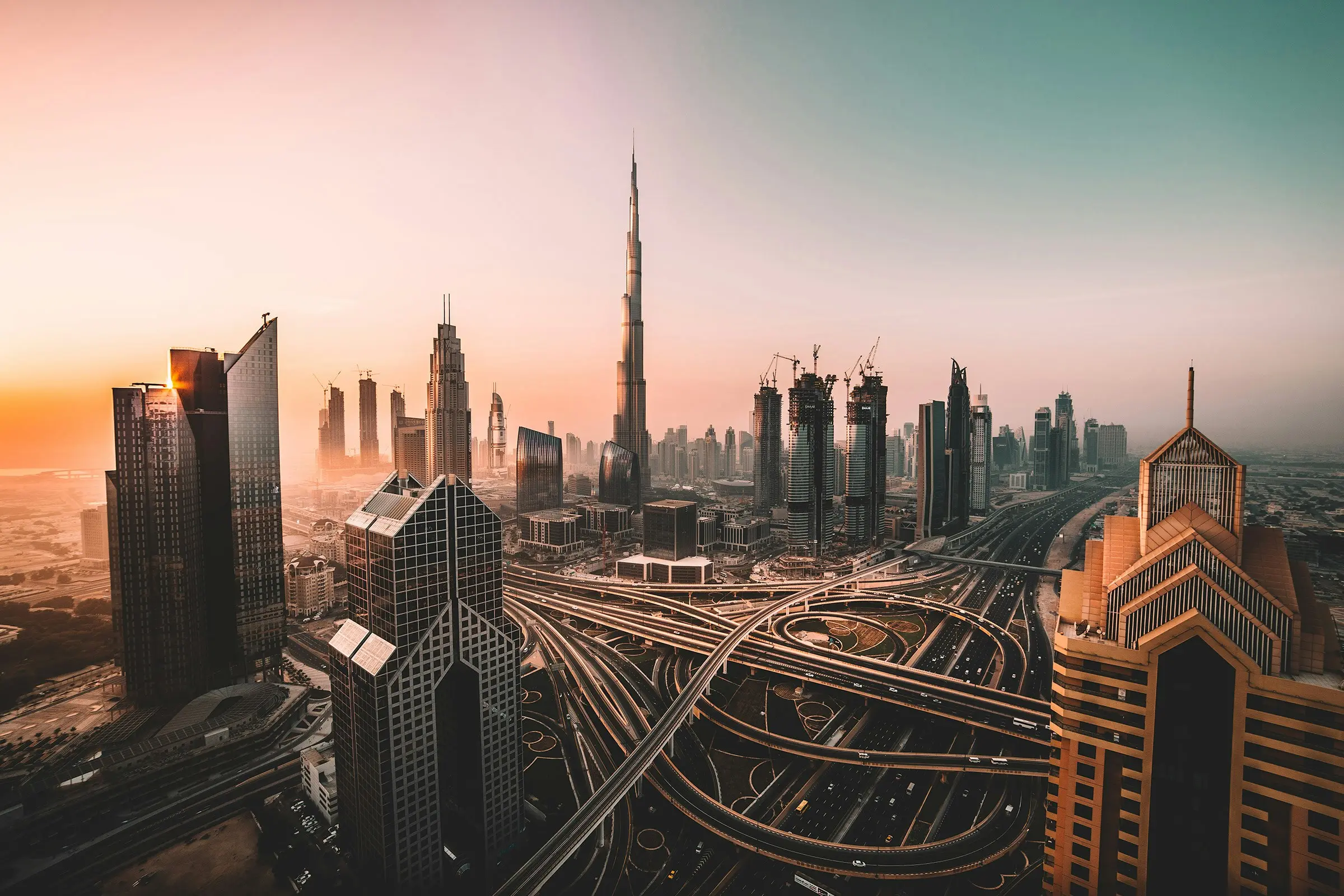
Dubai Creek Harbour vs Dubai Marina: Waterfront Investment Comparison
Compare Dubai's emerging waterfront (Dubai Creek Harbour) with established waterfront (Dubai Marina). Analyze prices, appreciation potential, lifestyle, and find which waterfront investment suits your goals.

Key Takeaways
- Dubai Marina is a mature, fully developed community offering high immediate rental yields (5.5%–7.5% gross), especially through short-term holiday homes.
- Dubai Creek Harbour is a premium, master-planned emerging community by Emaar, twice the size of Downtown Dubai, offering lower entry prices and 45%+ capital appreciation over the last 3 years.
- Dubai Marina enjoys full Red Line Metro connectivity, while Dubai Creek Harbour relies on road/water transport until its dedicated Metro line is completed.
- Dubai Creek Harbour sits in a central location just 10-12 minutes from DXB Airport and Downtown, compared to the Marina's 25-30 minute commute times.
Waterfront Investment Showdown: Dubai Marina vs. Dubai Creek Harbour
Dubai's waterfront communities have represented the pinnacle of luxury, convenience, and high-yield real estate investment for decades. As a city that has masterfully reclaimed land and carved canals to create spectacular marine lifestyles, Dubai offers two distinct waterfront archetypes: Dubai Marina, the established, high-octane tourist and residential haven in the west, and Dubai Creek Harbour, the modern, serene, master-planned smart city rising in the east. Both communities are developer masterpieces, but they serve vastly different investment goals and lifestyle desires.
When investors or home buyers compare these two giants, they are choosing between two distinct eras of Dubai’s urban planning. Dubai Marina represents the early-2000s vision of dense, high-rise living with direct access to the Arabian Gulf and a bustling retail promenade. Dubai Creek Harbour represents a 2020s approach to master-planned environments, focusing heavily on eco-friendly features, pedestrian-friendly streets, extensive public green spaces, and a calm, family-oriented environment. Choosing between them requires a deep analysis of entry prices, rental yields, future infrastructure catalysts, and overall development risk.
Quick Comparison
| Factor | Dubai Creek Harbour | Dubai Marina | Winner |
|---|---|---|---|
| Avg Price/sqft | AED 1,600-2,100 | AED 1,750-2,200 | Creek Harbour |
| Entry Price | AED 1.1M | AED 1.2M | Creek Harbour |
| Rental Yield | 5.5% - 6.8% | 5.5% - 7.5%+ | Dubai Marina |
| Appreciation (3yr) | 45%+ | 25%+ | Creek Harbour |
| Metro | Planned | 2 stations | Dubai Marina |
| Completion | 20-30% | 100% | Dubai Marina |
| Waterfront | Creek + planned tower | Marina + beach | Tie |
Community Overview
Dubai Marina
- Launched: 2003
- Developer: Multiple (Emaar, DAMAC, Select Group, etc.)
- Size: 3.5 km canal waterfront
- Population: 50,000+ residents
- Vibe: Lively, high-energy, tourist-centric, and cosmopolitan
Dubai Creek Harbour
- Launched: 2015
- Developer: Emaar Properties
- Size: 6 sq km (twice the size of Downtown Dubai)
- Population: 200,000+ planned residents
- Vibe: Serene, eco-friendly, modern, and family-oriented
The Established Icon: Dubai Marina
Launched in 2003, Dubai Marina is one of the world's largest man-made canals, stretching over 3.5 kilometers and accommodating more than 150 residential and commercial high-rises. It is the premier tourist and leisure destination in Dubai, known for its vibrant nightlife, high density of restaurants, yacht clubs, and proximity to Jumeirah Beach Residence (JBR) and the beach.
The lifestyle in Dubai Marina is fast-paced, cosmopolitan, and highly urban. Residents step out of their lobbies directly onto the Marina Walk, a 7-kilometer cobblestone promenade lined with cafes, retail outlets, and beauty salons. The presence of the Dubai Marina Mall provides a centralized shopping experience, while the Dubai Metro (with stations at DMCC and Sobha Realty) and the Dubai Tram offer exceptional public transit.
From an investment standpoint, Dubai Marina is a mature, liquid market. The risk of delayed handover is non-existent for the vast majority of towers, as the community is essentially 100% built. This maturity translates to stable, highly predictable rental yields (typically ranging between 5.5% and 7.5% gross), particularly in the short-term or holiday home market, which thrives due to the steady influx of tourists. However, because the area is fully developed, the potential for massive capital appreciation is lower compared to newer, developing districts. Price appreciation in the Marina moves in sync with general market cycles, driven by overall demand rather than localized infrastructure completions.

The Emerging Giant: Dubai Creek Harbour
In contrast, Dubai Creek Harbour is a brand-new, 6-square-kilometer mega-development located along the historic Dubai Creek, roughly ten minutes east of Downtown Dubai. Developed primarily by Emaar Properties in partnership with Dubai Holding, Creek Harbour is designed to be twice the physical size of Downtown Dubai, eventually housing over 200,000 residents.
The master plan for Creek Harbour centers on sustainability, innovation, and natural integration. It sits adjacent to the Ras Al Khor Wildlife Sanctuary, home to thousands of pink flamingos, offering residents a unique blend of urban luxury and natural beauty. The community features wide, tree-lined boulevards, a pedestrian-only central park, and a stunning waterfront promenade called Creek Marina.
Creek Harbour is currently in its early-to-mid maturation phase, with approximately 20% to 30% of the overall master plan completed. It represents a long-term capital appreciation play. Early buyers benefit from buying at lower initial price points, with the expectation that property values will climb substantially as major catalysts—such as the Creek Marina Mall, the Dubai Creek Tower, and dedicated Metro links—are delivered. The current rental yields in Creek Harbour hover around 5.5% to 6.8%, attracting families and young professionals who prefer a quieter, less congested environment than Dubai Marina but still want modern, high-quality residential finishes.
Location, Connectivity, and Urban Accessibility
Geographically, the two communities sit on opposite ends of Dubai’s main corridor, Sheikh Zayed Road. Dubai Marina is located in the "new" southern end of the city, bordered by Jumeirah Lake Towers (JLT), Dubai Media City, and Emirates Hills. It provides excellent access to the Abu Dhabi highway, making it popular for professionals who commute between the two emirates. Commuting to Downtown Dubai from the Marina takes approximately 20 to 25 minutes, while Dubai International Airport (DXB) is roughly a 30-to-35-minute drive.
Dubai Creek Harbour occupies a more central, strategic position. Located near the intersection of Ras Al Khor Road and Al Khail Road, it is just 10 minutes from Downtown Dubai and the Dubai International Financial Centre (DIFC). Dubai International Airport is a mere 10-to-12-minute drive, making it exceptionally convenient for frequent travelers.
Public transport is currently a major differentiator. Dubai Marina is fully integrated into the Dubai Metro Red Line, meaning residents can travel easily without a car. Dubai Creek Harbour does not yet have an active Metro station within the community, though Emaar’s master plan includes a dedicated branch line connecting Creek Harbour to the wider Dubai Metro network. For now, residents in Creek Harbour rely on cars, taxis, or marine transport, which connects the community to Dubai Festival City.
Financial Performance: Rental Yields vs. Capital Growth
The financial dynamics of these two areas highlight the classic real estate tradeoff between immediate cash flow (yield) and long-term capital gain.
Gross Rental Yields (2025-2026)
Dubai Marina continues to lead in gross rental yields. Studios and 1-bedroom apartments in high-demand towers (such as Marina Gate or Cayan Tower) can generate gross yields of 7% to 8.5%, especially when operated as short-term holiday homes. The constant stream of tourists and business travelers ensures high occupancy rates throughout the year.
Dubai Creek Harbour offers slightly lower, though highly respectable, gross rental yields of 5.5% to 6.8%. Because the community is still developing, the tenant pool is dominated by long-term residents rather than short-term holidaymakers. However, because the buildings are brand new and feature superior energy-efficient designs, maintenance and service charges tend to be lower than in older Marina towers, bridging the gap in net ROI.
Capital Appreciation Potential
This is where Dubai Creek Harbour shines. Over the last three years, completed properties in Creek Harbour have seen price appreciation rates exceeding 45%, driven by the handover of major phases like Creek Beach and the announcement of revised plans for the centerpiece Dubai Creek Tower. As Emaar continues to launch new phases, each subsequent launch acts as a price floor, pushing up the value of existing completed units.
Dubai Marina, being a mature market, has experienced steady but more moderate appreciation of 8% to 12% annually during the same period. While the Marina is a resilient store of value, it lacks the massive, localized development catalysts that trigger rapid price spikes.

Transaction Analysis and Price Point Trends
Analyzing actual transaction data from the Dubai Land Department highlights the entry-level differences between the two areas.
In Dubai Marina, the average price per square foot ranges from AED 1,750 to AED 2,200, with ultra-luxury buildings command up to AED 3,500 per square foot. The entry point for a standard 1-bedroom apartment is approximately AED 1.2 million to AED 1.6 million, depending on the building's age and view.
In Dubai Creek Harbour, average prices per square foot range from AED 1,600 to AED 2,100. Due to Emaar’s structured master plan, the entry-level pricing for off-plan or newly handed-over 1-bedroom apartments starts at around AED 1.1 million to AED 1.3 million. This represents a 10% to 15% discount compared to similar-sized units in Dubai Marina, providing an accessible gateway for entry-level investors looking to partner with a top-tier developer.
Development Status and Risk Assessment
Development risk is a critical consideration for any real estate buyer, particularly when comparing off-plan opportunities.
Dubai Marina: A Low-Risk, Finite Supply
With very few empty plots left, new launches in Dubai Marina are rare. The few off-plan projects that do launch (such as premium redevelopments or niche luxury towers) command high premiums. This finite supply protects the area from oversupply risk, ensuring that existing properties maintain their value and rental demand. The primary risk in the Marina is building obsolescence; older towers (built in the early 2000s) require higher maintenance fees, and buyers must carefully inspect the quality of the building management.
Dubai Creek Harbour: Phased Expansion and Supply Pipeline
Creek Harbour’s major risk is supply-side pressure. As a 6-square-kilometer master plan, hundreds of new buildings will be added over the next decade. If Emaar releases too much inventory at once, it could temporarily suppress rental prices and secondary market sale values. However, Emaar’s historical record of managing supply in Downtown Dubai suggests they will release phases strategically to protect market values. Buyers must also accept the minor inconveniences of living near active construction sites as the community takes shape.
Future Catalysts: What Lies Ahead?
The future of these two communities will be shaped by major infrastructure projects.
For Dubai Creek Harbour, the future catalysts are transformational:
- The Dubai Creek Tower: Planned to be a spectacular architectural marvel, the redesigned tower will serve as a global tourist magnet, drastically boosting commercial and residential demand in the surrounding area.
- Creek Marina Mall: A massive retail and entertainment complex integrated into the waterfront, providing residents with world-class shopping on their doorstep.
- The Dubai Metro Expansion: A dedicated line linking the community directly to the Red and Green lines, resolving the area's current public transport limitations.
For Dubai Marina, the catalysts are smaller and focus on refinement:
- Infrastructure Upgrades: Continuous improvements to traffic flow and pedestrian access.
- Refurbishments: Upgrades to older towers and retail spaces to maintain competitiveness.
- Dubai Harbour: The expansion of the adjacent Dubai Harbour marina and cruise terminal, reinforcing the area's position as a maritime hub.
Investment Recommendation
Choose Creek Harbour If:
- You have 5-10+ year horizon
- Higher appreciation potential appeals
- Lower entry prices fit your budget
- You're comfortable with development risk
- Future landmark proximity matters
Choose Dubai Marina If:
- You want immediate rental income
- Established lifestyle is priority
- Higher yields matter
- Lower risk is important
- Metro connectivity is essential
Related Guides
- Dubai Creek Harbour Guide - Full Creek Harbour analysis
- Dubai Marina Investment Guide - Full Marina analysis
- Complete Off-Plan Investment Guide - Off-plan strategies
- Emaar Properties Review - Creek Harbour developer
Sources and further reading
Area due diligence checklist
Use this guide to understand the community, then validate the exact building or project. Check recent transaction prices, current listings, service charges, access to main roads, commute times, parking, public transport, schools, retail, nearby construction, and future supply. Two properties in the same area can perform very differently if one has a better view, layout, handover date, or building reputation.
For investors, compare gross yield with realistic net yield after service charges, vacancy, furnishing, management, and maintenance. For end users, prioritize daily convenience, noise, traffic patterns, walkability, and long-term livability. The right area decision should balance lifestyle fit with liquidity: a property that is easy to rent or resell gives you more flexibility if your plans change.
Frequently Asked Questions
Which community is better for short-term rental yields?
Dubai Marina is the superior choice for short-term holiday homes. Its status as a mature global tourist destination, combined with direct beach access at JBR and the vibrant Marina Walk, keeps occupancy rates above 80% during peak seasons, yielding up to 7-8% gross returns.
Is Dubai Creek Harbour cheaper to invest in than Dubai Marina?
Yes, Dubai Creek Harbour offers lower average entry prices. A standard 1-bedroom apartment in Creek Harbour starts around AED 1.1 million to AED 1.3 million, whereas a similar unit in Dubai Marina typically begins at AED 1.2 million to AED 1.6 million, representing a 10% to 15% discount for a modern build by Emaar.
When will the major infrastructure, like the Metro and Creek Tower, be completed in Creek Harbour?
Dubai Creek Harbour is currently in its early-to-mid maturation phase (20-30% complete). Key infrastructure projects like the Metro extension and the centerpiece Dubai Creek Tower are planned for delivery in phases over the next 5 to 10 years, which will serve as major catalysts for property appreciation.
Genie AI
AI Property AdvisorGenie AI is an advanced artificial intelligence system that analyzes thousands of data points to provide personalized real estate investment recommendations. Powered by Dubai Land Department data, market trends, and sophisticated algorithms, Genie AI helps investors make data-driven decisions.
Related Articles
Dubai Hills Villas for Sale: Asking-Price Changes by Subcommunity This Week
A dated 22 August 2026 asking-price ledger for Maple, Sidra Villas and Park Gate, with a clear evidence gap for weekly same-listing changes.
Area GuidesDubai Marina Apartments for Sale: New Listings and Asking-Price Changes This Week
A dated 16–22 August 2026 ledger of Dubai Marina apartment asking-price observations, with clear limits on new-listing and price-change claims.
Area GuidesBusiness Bay Apartments for Sale: What Different Asking-Price Budgets Show This Week
Compare Business Bay apartments for sale across dated asking-price budget bands, with portal examples, practical filters, and clear limits on what the data shows.
Ready to Invest in Dubai?
Use Sophia AI to compare Dubai property options based on your budget, goals, and preferences.
Ask Sophia AI