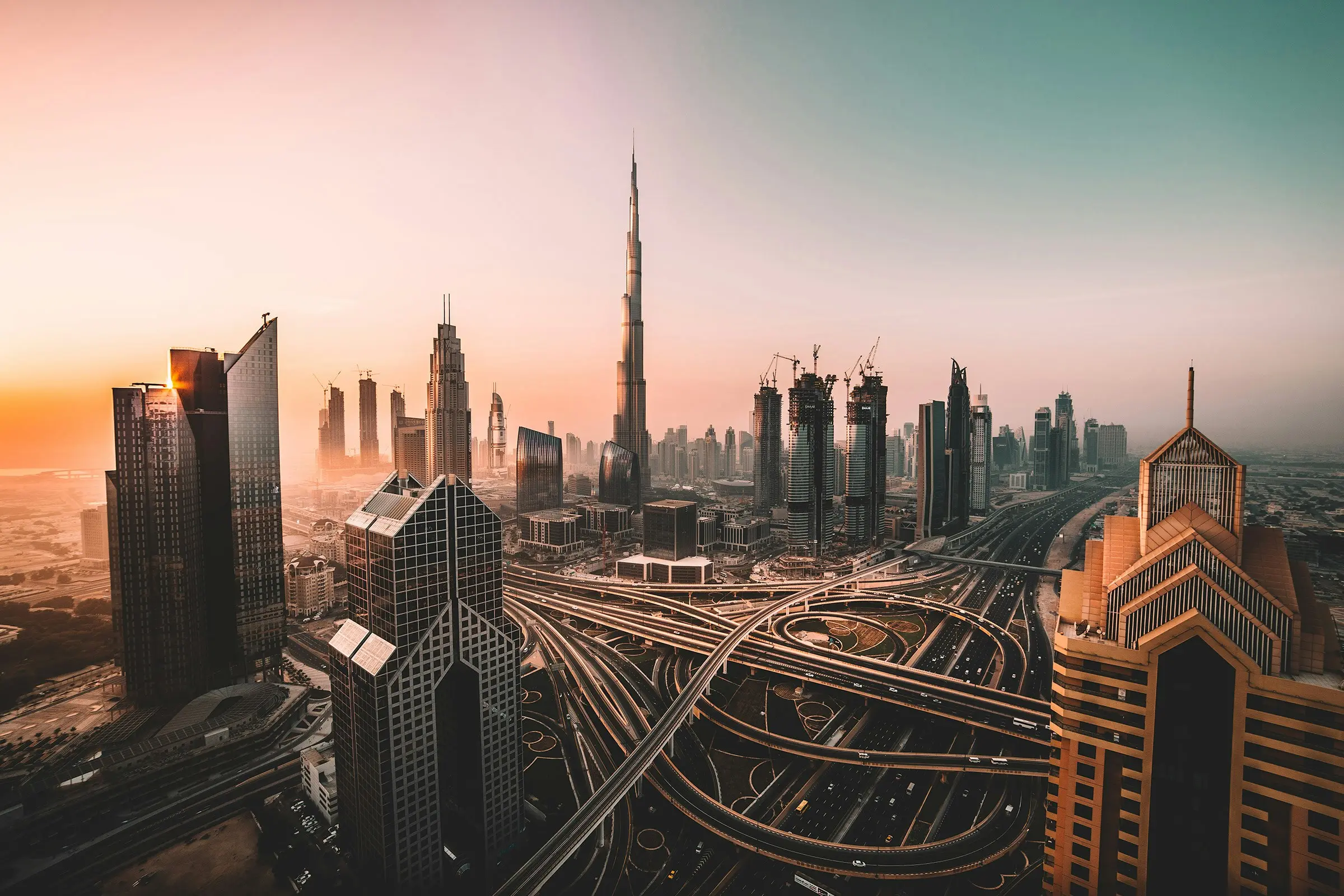
Dubai Branded Residences: The Ultimate Safe Haven Asset Class in 2026
Why branded residences in Dubai are outperforming standard properties as the preferred safe haven asset for global investors navigating 2026's uncertainties.

Key Takeaways
- Dubai is the undisputed global leader in branded residences, with 64 completed schemes and 87 projects in the pipeline.
- Branded residences in Dubai command an average price premium of 40% over comparable non-branded properties.
- The ultra-prime segment remains highly resilient, with Dubai recording 500 transactions above $10 million in recent reports.
- Hotel brands (Ritz-Carlton, Four Seasons) dominate with 79% of completed stock, but non-hotel brands (Armani, Mercedes-Benz, Bugatti) are growing fast.
Dubai Branded Residences: The Ultimate Safe Haven Asset Class in 2026
TL;DR / Key Takeaways
- Global Leader: Dubai is the undisputed world capital for branded residences, hosting 64 completed schemes and 87 active projects in the pipeline.
- The Branded Premium: Properties developed in partnership with luxury brands command an average 40% price premium in Dubai, compared to the global average of 33%.
- Turnkey Convenience: Rising popularity of "base-hopping" lifestyles drives demand for fully managed properties offering hotel-like services.
- Resolute Value: Prime properties are projected to grow by 3% to 5% in 2026, offering capital preservation during global market fluctuations.

Introduction: The Flight to Quality
In 2026, the Dubai real estate market is experiencing a clear "flight to quality." As global investors navigate the complexities of regional tensions and international inflation, they are becoming increasingly selective. Rather than pursuing high-risk speculative developments in suburban corridors, they are redirecting their capital toward established, premium assets that offer guaranteed luxury, professional management, and prestige. Enter the branded residence: Dubai's ultimate safe haven asset class.
Branded residences represent a partnership between a real estate developer and a luxury brand, typically from the hospitality, fashion, design, or automotive sector. By combining high-end architecture with the service standards of a luxury brand, these developments have become the preferred asset class for the world's ultra-high-net-worth individuals (UHNWIs).
The Historical Context: The Evolution of Branded Living in Dubai
Dubai’s relationship with branded residences is not a recent trend; it is a decade-long evolution that began with iconic partnerships. The sector was initiated in 2010 with the launch of the Armani Residences inside the Burj Khalifa—the world’s tallest tower. This was followed by Palazzo Versace Dubai, which introduced fashion-led hospitality and luxury apartments to the Culture Village waterfront. These pioneering projects demonstrated that international buyers were willing to pay a substantial premium for properties that carried the signature design, detailing, and prestige of globally recognized luxury houses. Since then, the market has transitioned from a niche curiosity into a mainstream investment category, with Dubai surpassing established global capitals like Miami and New York in total branded inventory.
Dubai's Position as the Global Capital of Branded Residences
According to recent global research reports from Savills, Dubai has firmly established itself as the world's leading city for branded residences. The market scale in Dubai is unmatched:
- Completed Schemes: 64 completed branded residential developments.
- Pipeline Projects: 87 active projects currently in design or construction phases.
- Regional Growth: The Middle East & North Africa (MENA) region has recorded a staggering 187% growth in branded residences over the past five years, outperforming all other major regions globally.
- Future Horizon: Projections indicate that the delivery pipeline will expand to over 140 branded developments by 2031.
This volume is supported by the city's strategic position as a global lifestyle hub. The alignment of luxury branding with Dubai's high-quality infrastructure, tax-free environment, and safety ratings has created the perfect environment for this niche sector to flourish.
A Deep-Dive into Locations: Downtown, Palm Jumeirah & Jumeirah Bay
The premium commanded by a branded residence varies significantly depending on its geographical location within Dubai:
- Downtown Dubai: Bounded by the Burj Khalifa and Dubai Mall, Downtown is the primary urban center for branded towers, featuring projects like the Address Residences and the newly launched Mercedes-Benz Places. The premium here is driven by urban convenience, views of the Burj Khalifa, and proximity to major business districts.
- Palm Jumeirah: Beachfront branded villas and penthouses command the highest premiums in the city. The limited availability of sandy waterfront plots has created intense competition for properties branded by One&Only, Fairmont, and Ritz-Carlton, with buyers willing to pay up to a 50% premium over non-branded beachfront properties.
- Jumeirah Bay Island: Home to the exclusive Bvlgari Resort & Residences, this island has become the ultra-exclusive retreat for billionaires, recording some of the highest transaction rates per square foot in the region.
The Psychology of the Branded Premium: Why Investors Pay More
In Dubai, branded residences command an average price premium of approximately 40% over comparable non-branded properties. Globally, this premium averages 33%, showcasing that Dubai buyers place an exceptionally high value on brand affiliation. This premium is driven by several factors:
1. Brand Association and Prestige
For many buyers, owning a residence bearing the name of Bvlgari, Armani, Ritz-Carlton, or Four Seasons is the ultimate status symbol. The brand acts as a mark of quality and distinction, ensuring that the property remains highly desirable on the secondary market.
2. "Zero-Friction" and Turnkey Living
There is a rising demographic of "ultra-mobile" property owners who live "base-hopping" lifestyles, spending less than 90 days a year in any single home. For these buyers, standard property management is insufficient. Branded residences offer a turnkey, hotel-like environment where services (such as 24/7 concierge, private chefs, housekeeping, and pre-arrival preparation) are managed directly by the hospitality partner. Owners can lock their doors and travel globally, knowing their assets are maintained to hotel-brand standards.
3. Protection Against Market Volatility
While the broader mid-market apartment segment can experience supply-side pressure due to new project deliveries, branded residences are typically situated in land-constrained, premium locations. This geographical scarcity, combined with the brand's quality assurance, protects the asset from standard market corrections.

Service Charges and Financial Realities
While the advantages of branded living are clear, buyers must evaluate the financial implications of high service charges. Managing a residential tower to hotel standards requires a substantial budget. Service charges for branded properties in premium locations like Downtown Dubai and Palm Jumeirah typically range from AED 40 to AED 80 per square foot annually, compared to AED 15 to AED 25 per square foot for standard non-branded buildings. These fees cover pool maintenance, private valet services, security, fitness center management, and common area upkeep. Investors must factor these higher holding costs into their cash flow models, as they can compress net rental yields if the property is not leased at a premium rate.
Evolution of Brands: Hospitality vs. Lifestyle
While hospitality brands (such as Marriott, Ritz-Carlton, and Four Seasons) continue to dominate the sector—comprising approximately 79% of completed stock—non-hospitality brands are growing rapidly in the pipeline. These include:
- Automotive Brands: Mercedes-Benz Places, Bugatti Residences by Binghatti, and Pagani Tower represent a fusion of precision engineering and luxury residential design.
- Fashion and Design Brands: Residences branded by Armani, Elie Saab, and Cavalli offer bespoke interiors, curated furniture, and exclusive design concepts that appeal to design-conscious collectors.
This diversification allows developers to target distinct buyer demographics, offering personalized lifestyle options that go beyond traditional hospitality services.
Sustainable and Wellness-Focused Branded Residences
A major emerging trend in the 2026 branded residence sector is the integration of sustainability and holistic wellness. Modern buyers are looking beyond aesthetic luxury, focusing on environmental design, air quality, and wellness amenities. Prominent projects like the Ritz-Carlton Residences, Keturah Resort in Dubai Creek offer wellness-oriented design features, including circadian rhythm lighting, custom indoor air filtration systems, and water purification technologies. These buildings are designed to meet LEED certifications, reflecting a broader commitment to sustainable architecture that appeals to environmentally conscious institutional and private investors.
Market Performance and Ultra-Prime Resiliency
Following years of double-digit capital appreciation, the prime and branded residential market in Dubai is entering a phase of "normalization." Knight Frank projects prime property values to grow by a stable 3% to 5% in 2026, reflecting a healthy, mature market rather than a speculative bubble.
Crucially, the ultra-prime segment—defined as properties priced above $10 million—remains exceptionally active. In 2025, Dubai recorded 500 ultra-prime transactions, maintaining its position as the world's busiest market for luxury homes. The branded residences sector accounts for a significant share of these high-value transactions, showing that global wealth continues to prioritize Dubai for capital preservation.
Due Diligence Guidelines for Branded Residence Buyers
Investing in a branded residence requires a different analytical framework compared to standard buy-to-let properties. Keep these considerations in mind:
- Evaluate Service Charges: The hotel-style services and amenities of branded residences come with higher service charges. Buyers must calculate whether their rental income or personal use justifies these ongoing maintenance costs.
- Verify the Brand Agreement: Understand the nature of the developer-brand agreement. Some brands operate under short-term licensing contracts (e.g., 10 to 15 years). Ensure that the agreement is long-term or includes renewal clauses to preserve the property's brand value.
- Assess Rental Strategy: While branded residences command premium rental rates, they operate in a smaller, luxury-focused tenant pool. If you plan to rent out the unit, consider utilizing a short-term luxury leasing manager to optimize occupancy.
- Developer Track Record: The brand does not build the tower; the developer does. Partner with Tier 1 developers with proven track records of delivering high-quality construction that aligns with the brand's reputation.
Frequently Asked Questions
What makes a branded residence a safer investment in 2026?
The combination of guaranteed luxury, global brand management, and inherent scarcity protects these residences from standard market volatility, maintaining long-term resale liquidity.
Are branded residences only designed for owner-occupiers?
No, they are highly sought after by investors due to strong rental yields in the short-term premium leasing market, driven by high-net-worth travellers.
What price premium do branded residences command in Dubai?
Branded residences in Dubai command an average price premium of approximately 40% over non-branded equivalents, which is higher than the global average of 33%.
Which brands are popular in Dubai's real estate market?
While hotel brands like Four Seasons and Ritz-Carlton comprise 79% of the completed stock, lifestyle and design brands such as Bugatti, Armani, Bvlgari, and Mercedes-Benz are expanding rapidly in the pipeline.
Sources
Frequently Asked Questions
What makes a branded residence a safer investment in 2026?
The combination of guaranteed luxury, global brand management, and inherent scarcity protects these residences from standard market volatility, maintaining long-term resale liquidity.
Are branded residences only designed for owner-occupiers?
No, they are highly sought after by investors due to strong rental yields in the short-term premium leasing market, driven by high-net-worth travellers.
What price premium do branded residences command in Dubai?
Branded residences in Dubai command an average price premium of approximately 40% over non-branded equivalents, which is higher than the global average of 33%.
Which brands are popular in Dubai's real estate market?
While hotel brands like Four Seasons and Ritz-Carlton comprise 79% of the completed stock, lifestyle and design brands such as Bugatti, Armani, Bvlgari, and Mercedes-Benz are expanding rapidly in the pipeline.
Editorial Team
AiGentsRealtyThe AiGentsRealty editorial team consists of real estate experts, market analysts, and property consultants with over 20 years of combined experience in the Dubai real estate market.
Related Articles
Dubai Building Age Data: What Construction Year Can and Cannot Tell a Buyer
A buyer-method guide to separating reported building dates from completion, condition, and transaction evidence in Dubai.
Investment GuidesDubai Real Estate Price Index: Read Market Movement Without Valuing a Unit
How to distinguish an official Dubai market-price series from the evidence needed for a unit-specific valuation.
Investment GuidesDubai School Commute Data: Compare Route Windows Before Choosing a Property
Use a documented, like-for-like route-window method to compare candidate Dubai homes with a selected school without turning estimates into guarantees.
Ready to Invest in Dubai?
Use Sophia AI to compare Dubai property options based on your budget, goals, and preferences.
Ask Sophia AI