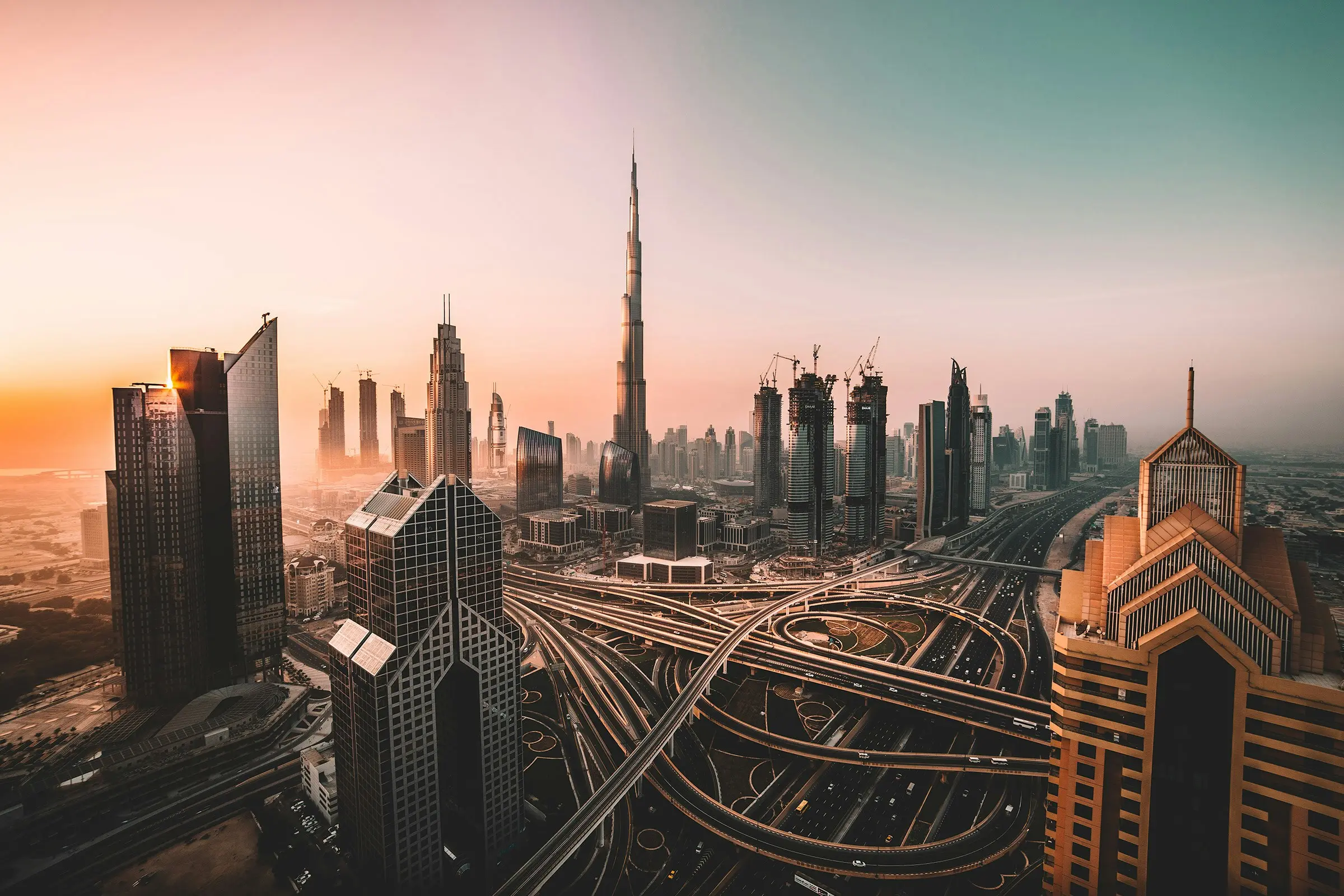
Al Satwa Area Guide 2026: Central Dubai Affordable Living
Discover Al Satwa, one of Dubai's most centrally located and culturally rich neighborhoods. From authentic street food to affordable shopping, this guide covers everything you need to know about living in Al Satwa in 2026.

Key Takeaways
- Al Satwa offers a central city location bordering Sheikh Zayed Road and Downtown Dubai at a fraction of the cost, with average prices around AED 1,750 per square foot.
- The ongoing redevelopment of Satwa into Jumeirah Garden City by Meraas is transforming the traditional low-rise community into a modern, vertical mid-rise hub (up to G+8 floors).
- Supported by strong demand from central business district professionals (DIFC, SZR, Downtown), properties in Al Satwa generate competitive rental yields between 6% and 7%.
- The classification of Jumeirah Garden City as a freehold zone allows international buyers to acquire property in one of Dubai's most central districts.
Al Satwa Area Guide 2026: Central Dubai Affordable Living
Al Satwa represents one of Dubai's most centrally located affordable communities, offering urban living adjacent to Sheikh Zayed Road and minutes from Downtown Dubai. Known historically as a bustling low-rise residential district characterized by its cultural diversity, traditional markets, and close-knit streets, Al Satwa is currently undergoing a massive transformation. The integration of modern real estate initiatives—most notably the Jumeirah Garden City master plan by developer Meraas—is reshaping this historic area into a contemporary vertical community. For property investors, Al Satwa presents a unique opportunity: high-yield central positioning at a fraction of the price of adjacent neighborhoods like Downtown, Jumeirah, and the Dubai International Financial Centre (DIFC).
Market Overview: Real DLD Data (2025-2026)
Dubai Land Department (DLD) transaction data reveals Al Satwa's solid market performance as it successfully transitions between its traditional past and modern future. The community's real estate dynamics are highly attractive for value-driven buyers:
- Average Price: AED 1,750 per square foot, presenting a massive value gap when compared to adjacent Downtown projects exceeding AED 2,800 per square foot.
- Annual Transactions: 234 completed transactions in the past 12 months, showing active market liquidity.
- Year-over-Year Appreciation: +8.5%, fueled by the delivery of new infrastructure and mid-rise residential properties.
- Average Rental Yield: 7.0% gross, outperforming premium districts where high entry prices compress rental margins.

History and Evolution of Al Satwa
To understand the value of Al Satwa, one must understand its roots. Originally established as a small settlement primarily inhabited by the Baloch tribe and local traders, Al Satwa evolved during Dubai's economic expansion in the 1970s and 1980s. It quickly grew into a vital commercial hub for textiles, tailoring, and street food. The famous 2nd December Street (previously known as Al Diyafah Street) became the cultural backbone of the area, housing some of Dubai’s most beloved local cafeterias, tailoring shops, and hardware stores.
For decades, Al Satwa was known for its dense, low-rise villa compounds and single-story commercial properties. However, because of its strategic proximity to the central business district along Sheikh Zayed Road, the community became ripe for urban regeneration. Rather than letting the area become stagnant, the Dubai government and master developers initiated redevelopment plans. Today, Al Satwa is a fascinating study in contrasts: one side of the street features traditional tailoring businesses and local cafeterias, while the other boasts modern, mid-rise apartment buildings constructed as part of Jumeirah Garden City.
The Transformation: Jumeirah Garden City (Meraas Master Plan)
At the center of Al Satwa's modern transformation is the Jumeirah Garden City master plan, an urban regeneration project overseen by Meraas Holding. Under this initiative, older low-rise buildings and older compounds are systematically being replaced by modern, mid-rise vertical developments, typically permitted up to ground plus eight floors (G+8).
This redevelopment is designed around a modern grid system featuring improved road networks, underground infrastructure, and landscaped public pocket parks. Crucially for international investors, Jumeirah Garden City has been designated as a freehold zone. This means foreign nationals can acquire land plots or finished apartments with full title deeds, breaking the historical leasehold restrictions that applied to traditional Al Satwa. The introduction of freehold status has catalyzed interest from private developers who are actively constructing mid-rise towers targeting young professionals working in DIFC and Sheikh Zayed Road.

Location and Connectivity
Al Satwa's primary competitive advantage is its geographic positioning. Tucked between Sheikh Zayed Road (E11) and the coastal residential enclave of Jumeirah, Al Satwa sits at the geographical heart of modern Dubai. Residents can easily commute to almost any business or leisure hub in the city within minutes.
Key Commute Times by Car
- Downtown Dubai & Burj Khalifa: 5 minutes
- Dubai International Financial Centre (DIFC): 5 minutes
- Sheikh Zayed Road (E11): Direct access via multiple exit ramps
- Dubai International Airport (DXB): 15 minutes
- Jumeirah Beach: 10 minutes
- Dubai Canal: 8 minutes
- Dubai Marina & JBR: 15–20 minutes
Public Transportation Options
Al Satwa is highly accessible via public transit, making it popular with corporate tenants who prefer not to drive. The community is anchored by the Al Satwa Bus Station, which serves as a major hub for RTA buses running to Jumeirah, Karama, Deira, and Downtown. Additionally, the Financial Centre and World Trade Centre Metro Stations on the Red Line are located along the eastern boundary of Al Satwa, reachable within a 10-to-15-minute walk or a short 3-minute bus ride from most parts of the community.
Property Types and Pricing in 2026
Due to the ongoing redevelopment, Al Satwa's property market is highly diverse, offering a range of residential options. The most prominent investment assets are modern apartments located within the newly built towers of Jumeirah Garden City.
Average Apartment Sales Prices (2026)
| Property Type | Starting Price (AED) | Typical Range (AED) | Avg. Price per Sq Ft (AED) |
|---|---|---|---|
| Studio Apartment | 650,000 | 650,000 – 900,000 | 1,650 – 1,800 |
| 1-Bedroom Apartment | 900,000 | 900,000 – 1,300,000 | 1,700 – 1,850 |
| 2-Bedroom Apartment | 1,300,000 | 1,300,000 – 1,800,000 | 1,750 – 1,900 |
It is important for buyers to differentiate between the older, non-freehold buildings (which are restricted to GCC nationals) and the modern freehold towers in Jumeirah Garden City. Freehold units command a premium in pricing but offer far higher rental demand, capital appreciation potential, and exit liquidity because they can be traded by international investors.
Investment Analysis & Rental Yields
For buy-to-let investors, Al Satwa offers a compelling financial case. While premium areas like Downtown Dubai and Dubai Marina have seen yield compression (often falling to 4.5% to 5.5% gross due to rapid price appreciation), Al Satwa continues to deliver robust rental returns.
Average Rental Market Rates in Al Satwa (2026)
- Studio Apartments: AED 45,000 – AED 60,000 per annum
- 1-Bedroom Apartments: AED 65,000 – AED 85,000 per annum
- 2-Bedroom Apartments: AED 95,000 – AED 125,000 per annum
This translates to a strong average gross rental yield of 6.0% to 7.5% for long-term lease agreements. Investors who opt for short-term holiday home management can achieve net yields closer to 8.0% to 9.0%, as the community's close proximity to the World Trade Centre exhibition halls and Downtown Dubai makes it a popular choice for business travelers and tourists seeking affordable, central accommodation.
Due Diligence: Service Charges and Maintenance
When evaluating your net yield, it is critical to factor in service charges. In Al Satwa's newly developed mid-rise buildings, service charges typically range between AED 12 and AED 18 per square foot annually. Because these mid-rise buildings have fewer shared amenities (such as massive private beaches or complex podium gardens) than massive master communities, maintenance fees remain relatively low, helping to preserve high net yields for landlords.

Community Features and Daily Lifestyle
Al Satwa's unique appeal lies in its vibrant, street-level lifestyle. Unlike the sterile, developer-curated environments of Dubai's newer suburbs, Al Satwa has an organic soul. It is a place where residents can walk to local grocery stores, interact with long-time shop owners, and enjoy diverse international street food.
Retail and Dining Highlights
- 2nd December Street: A bustling culinary strip featuring legendary local restaurants offering Lebanese, Filipino, Indian, Pakistani, and Iranian cuisines. It is one of the most famous street-food destinations in Dubai.
- Traditional Textile and Tailoring Markets: Al Satwa is the tailoring capital of Dubai, home to dozens of boutique textile shops where residents can have custom clothing made at highly affordable rates.
- Supermarkets: Multiple major supermarket chains, including West Zone, Carrefour Market, and Spinneys, are located within or immediately adjacent to the district, ensuring daily conveniences are never more than a short walk away.
Education and Healthcare
- Schools: While Al Satwa itself is primarily residential-commercial, it sits next to Jumeirah and Al Bada'a, which host several top-tier international schools. Notable options nearby include the GEMS Wellington Primary School and the Dubai British School Jumeirah.
- Healthcare: Al Satwa is home to the Satwa Health Centre, and is located just a 5-to-10-minute drive from major hospitals such as the Iranian Hospital on Al Wasl Road and Aster Hospital in Mankhool.
Future Outlook: Al Satwa and JGC Beyond 2026
Looking forward, Al Satwa's growth is heavily backed by the Dubai 2040 Urban Master Plan, which prioritizes the regeneration and densification of central urban areas over outward desert expansion. As a result, infrastructure investments in the district will continue to grow.
Capital Appreciation Catalysts
- The Closing Value Gap: As Downtown and Jumeirah property prices reach historical highs, middle-income professionals are priced out. This overflow demand will continue to push rents and sales prices upward in Al Satwa, closing the price gap between Satwa and its neighboring premium districts.
- Completion of Jumeirah Garden City: As more mid-rise plots are completed, the overall aesthetic of Al Satwa will become more modern and unified, attracting higher-profile retail brands and wealthier tenants.
- Limited Land Supply: Central Dubai has almost zero raw land left. Plots in Jumeirah Garden City represent some of the final opportunities to own new-build freehold real estate in the heart of the city, guaranteeing long-term value retention.
Conclusion
Al Satwa successfully offers the perfect blend of historic cultural charm and modern, high-yield investment potential. The ongoing expansion of Jumeirah Garden City by Meraas ensures that the community will remain a prime focus of urban regeneration for years to come. For investors, the area's competitive AED 1,750 per square foot entry point, combined with strong 7% rental yields and unbeatable central connectivity, makes it one of the smartest value plays in Dubai's 2026 real estate market.
Data sourced from Dubai Land Department (DLD), AiGentsRealty Database, and PropertyMonitor. Last updated: May 2026.
Related AiGentsRealty resources
What to verify before you act
Before buying in any Dubai community, verify recent transaction prices, current asking prices, service charges, commute times, school or lifestyle needs, nearby construction, and future supply. Area-level averages can hide large differences between buildings, views, floor plans, and developers. Treat this guide as a starting point, then compare specific projects and completed buildings before making a final decision.
Sources and further reading
Frequently Asked Questions
Is Al Satwa a freehold area for international property buyers?
Yes, parts of Al Satwa—specifically the areas redeveloped under the Jumeirah Garden City master plan by Meraas—have been designated as freehold zones. This allows foreign nationals and international investors to purchase, own, and sell properties with absolute ownership rights. However, older, traditional parts of Satwa remain leasehold (restricted to GCC nationals), so buyers must ensure the specific plot or building falls within the freehold zoning before completing a transaction.
What are the property prices and average rental yields in Al Satwa in 2026?
As of 2026, properties in Al Satwa average approximately AED 1,750 per square foot, showing an 8.5% year-on-year appreciation. Apartment prices typically range from AED 650,000 for studios up to AED 2.5 million for larger two-bedroom units. Average gross rental yields stand solid at 6% to 7% for long-term rentals, fueled by consistent demand from working professionals in neighboring districts like DIFC, Downtown Dubai, and Sheikh Zayed Road.
What is Jumeirah Garden City, and how does it affect Al Satwa's real estate market?
Jumeirah Garden City is a major urban regeneration master plan developed by Meraas Holding that encompasses parts of Al Satwa. The initiative is replacing older, low-rise traditional residential buildings with modern, mid-rise vertical developments (typically up to eight stories) featuring mixed-use residential, retail, and commercial spaces. This transformation has introduced modern infrastructure, pocket parks, and freehold property titles, significantly increasing the area's attractiveness to international investors and high-profile tenants.
How is the commute from Al Satwa to Downtown Dubai and other business hubs?
Al Satwa is exceptionally well-connected, bordering Sheikh Zayed Road (E11) and Jumeirah. Downtown Dubai and the Dubai International Financial Centre (DIFC) are just a 5-minute drive away. Commute times to Dubai International Airport (DXB) are around 15 minutes, while Dubai Marina can be reached in 15 to 20 minutes. For public transit users, the area is served by the Al Satwa Bus Station and is in close proximity to the Financial Centre and World Trade Centre Metro stations.
Genie AI
AI Property AdvisorGenie AI is an advanced artificial intelligence system that analyzes thousands of data points to provide personalized real estate investment recommendations. Powered by Dubai Land Department data, market trends, and sophisticated algorithms, Genie AI helps investors make data-driven decisions.
Related Articles
Dubai Hills Villas for Sale: Asking-Price Changes by Subcommunity This Week
A dated 22 August 2026 asking-price ledger for Maple, Sidra Villas and Park Gate, with a clear evidence gap for weekly same-listing changes.
Area GuidesDubai Marina Apartments for Sale: New Listings and Asking-Price Changes This Week
A dated 16–22 August 2026 ledger of Dubai Marina apartment asking-price observations, with clear limits on new-listing and price-change claims.
Area GuidesBusiness Bay Apartments for Sale: What Different Asking-Price Budgets Show This Week
Compare Business Bay apartments for sale across dated asking-price budget bands, with portal examples, practical filters, and clear limits on what the data shows.
Ready to Invest in Dubai?
Use Sophia AI to compare Dubai property options based on your budget, goals, and preferences.
Ask Sophia AI