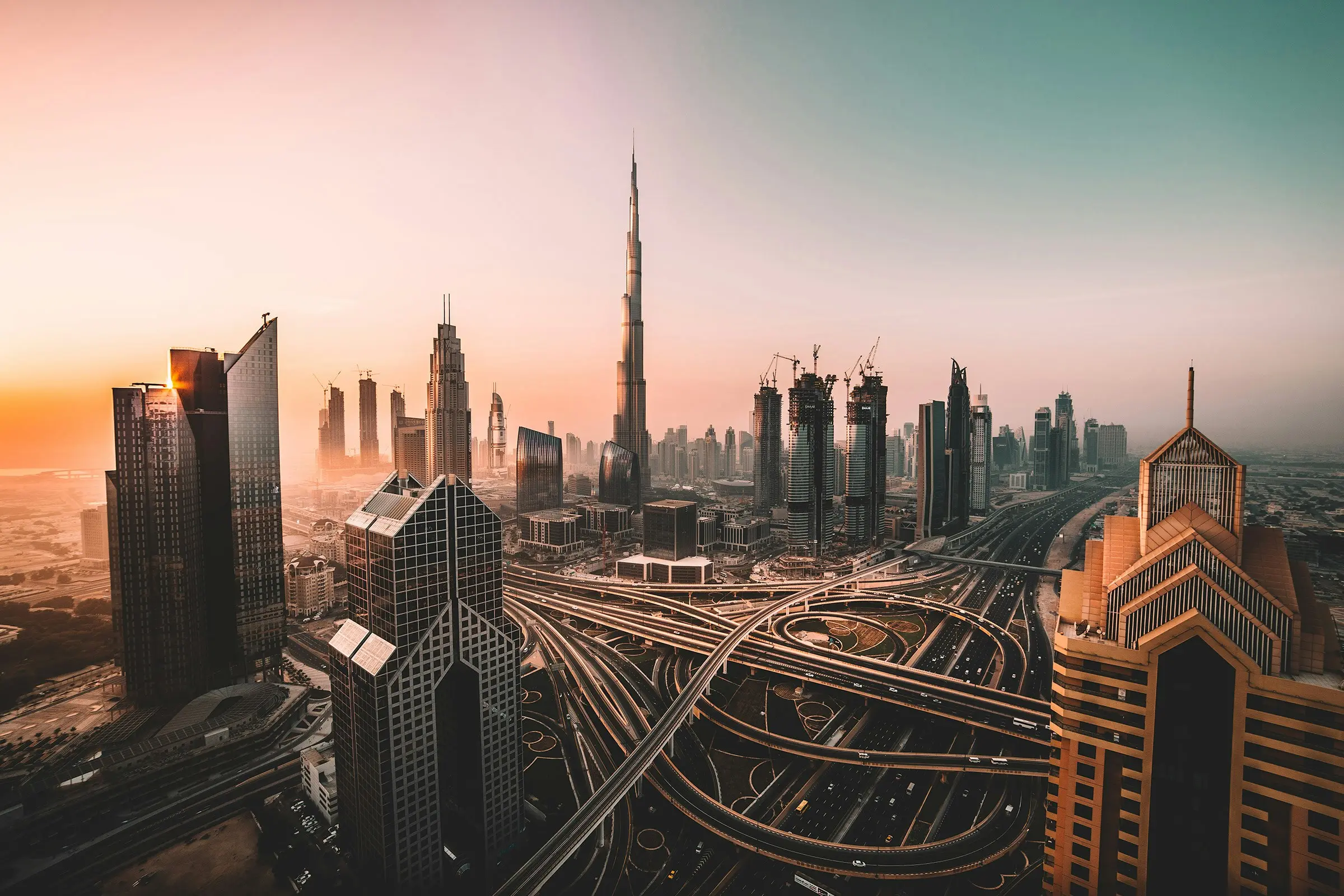
The 2026 Flight to Safety: Capital Inflow into Dubai Luxury Real Estate
Examine the massive 'flight to safety' capital surge pouring into Dubai's luxury real estate sector as HNWIs seek refuge from 2026's geopolitical volatility.

Key Takeaways
- Dubai has become the world's leading destination for millionaire migration, projecting a net inflow of 9,800 HNWIs, driven by tax neutrality and safety.
- The ultra-luxury real estate sector (AED 10M+) is highly insulated from global interest rates, with cash transactions representing 75% to 80% of sales.
- There is a structural undersupply of ready-to-move-in luxury villas in premium communities like Palm Jumeirah and Dubai Hills Estate, driving capital appreciation.
- Investors must verify developer escrow registration and service charge histories (which can range from AED 30-55/sqft) to protect net returns.
The 2026 Flight to Safety: Capital Inflow into Dubai Luxury Real Estate
The global macroeconomic landscape in 2026 is characterized by significant shifts. Rising geopolitical instability, tax changes in Western Europe (such as the restructuring of non-dom status in the United Kingdom and rising wealth taxes in France and Germany), and economic restructuring in East Asia have combined to mobilize high-net-worth capital. The primary destination for this wealth? Dubai.
This "flight to safety" is not just a temporary investment trend. It represents a permanent relocation of families, corporate headquarters, and family offices. This guide analyzes how this inflow is impacting Dubai's luxury property market, which areas are benefiting, and what investors must verify before deploying capital.

Global Wealth Migration and the UAE Magnet
According to the Henley Private Wealth Migration Report, the United Arab Emirates has solidified its position as the world's leading destination for millionaire migration.
Key Migration Indicators:
- Net HNWI Inflow: The UAE projected a record-breaking net inflow of approximately 9,800 millionaires in 2025/2026, outperforming traditional wealth hubs like Singapore, Switzerland, and the United States.
- Wealth Outflows: This matches massive outflows from the United Kingdom (projected net loss of 9,500 millionaires) and China (projected net loss of 15,200 millionaires).
- Primary Pull Factors: The combination of zero personal income tax, the highly successful 10-year Golden Visa program, strict safety laws, and world-class healthcare has made Dubai a premier long-term settlement destination rather than just a holiday location.
The Cash-Driven Luxury Real Estate Boom
Unlike previous Dubai property cycles (such as the 2008 crash) which were heavily leveraged through bank financing and speculative local mortgages, the luxury boom in 2026 is structurally different.
1. High Cash Liquidity
Transactions in the ultra-prime sector (properties valued at AED 10 million and above) are overwhelmingly cash-dominated. According to the Dubai Land Department (DLD), cash buyers account for approximately 75% to 80% of all luxury sales. This high liquidity insulates the high-end property tier from global interest rate hikes, making it a stable asset class.
2. The Scarcity Premium
The massive influx of wealthy families has exposed a severe undersupply of ready-to-move-in luxury villas and large beachfront apartments.
- Palm Jumeirah: High demand for beachfront custom villas has driven prices past AED 4,500 per square foot.
- Dubai Hills Estate: Ready villas in exclusive sub-communities like Hills Grove and Hills View command significant premiums due to immediate availability.
- Branded Residences: Projects associated with brands like Four Seasons, Bulgari, and Ritz-Carlton are selling out rapidly off-plan because buyers value institutional-grade building management.

Luxury Market Transaction and Supply Metrics (2026)
| Asset Class / Area | Average Entry Price (AED) | Average Price Per Sq. Ft. | Supply Status | Primary Buyer Demographics |
|---|---|---|---|---|
| Palm Jumeirah (Villas) | 35,000,000 - 150,000,000+ | AED 4,500 - 8,000 | Severely Undersupplied | UK, Western Europe, CIS |
| Dubai Hills (Elite Villas) | 28,000,000 - 80,000,000 | AED 3,200 - 4,500 | Extremely Constrained | India, Europe, Local HNWIs |
| Jumeirah Bay Island | 60,000,000 - 250,000,000+ | AED 6,500 - 12,000 | Near-Zero New Inventory | Global Billionaires |
| Business Bay (Branded Penthouses) | 12,000,000 - 45,000,000 | AED 2,800 - 4,200 | Moderate Off-Plan Pipeline | CIS, UK, GCC |
Deep Dive: Dubai Land Department (DLD) Performance Data
To understand the sheer scale of the capital inflow, we must analyze the official transaction records released by the Dubai Land Department (DLD). In 2025, Dubai's real estate market achieved historical heights, recording a total sales transaction value of AED 682.5 billion across 214,912 individual transactions. This marked a substantial 30.6% year-on-year increase in value and an 18.8% growth in transaction volume compared to 2024. When taking into account all real estate operations including mortgages and gift registrations, the total market activity surpassed AED 919 billion.
In the ultra-luxury segment—specifically properties valued at US$ 10 million (AED 36.7 million) and above—Dubai recorded a record 500 transactions in 2025. The total sales value of these ultra-prime properties reached US$ 9.05 billion (approximately AED 33.2 billion), representing a 27.7% increase compared to the previous year. This segment's growth is staggering when compared to historical performance: in 2020, Dubai recorded only 30 transactions of US$ 10 million and above. By 2025, that number had grown seventeen-fold to 500, cementing Dubai as the busiest market in the world for ultra-luxury homes. Furthermore, the ultra-prime tier saw 68 homes change hands for more than US$ 25 million each. The absolute highest transaction recorded in the year was a $150 million (AED 550 million) penthouse at Bugatti Residences by Binghatti in Business Bay, illustrating the unprecedented willingness of global billionaires to commit massive capital to Dubai.
This momentum has carried directly into early 2026. Official DLD statistics show that:
- January 2026: Recorded transaction values reached AED 111 billion, an 88% surge compared to January 2025. Volume also grew by 24% to 22,108 transactions.
- February 2026: Real estate sales hit AED 60.6 billion ($16.5 billion), representing an 18.14% surge in value year-on-year.
These figures illustrate that the capital inflow is not slowing down. Instead, it is stabilizing into a highly mature market where long-term residency, wealth preservation, and asset safety are the primary motivators.
Macroeconomic Catalysts Behind the Migration
The acceleration of capital flowing into Dubai is driven by a confluence of fiscal pressure and geopolitical shifts in Western Europe and Asia.
1. The Abolition of the UK "Non-Dom" Tax Regime
Historically, the United Kingdom was a safe haven for wealthy international individuals who benefited from the "non-domiciled" tax status, allowing them to avoid UK tax on foreign income. With the restructuring and ultimate phase-out of this status, thousands of high-net-worth individuals face substantial tax liabilities on their global wealth. The projected net loss of 9,500 millionaires from the UK has directly benefited Dubai, which offers a robust common law system under the Dubai International Financial Centre (DIFC) court system without personal income or capital gains taxes.
2. High Wealth and Inheritance Taxes in Western Europe
Countries like France, Germany, and Spain have progressively increased tax burdens on high-income earners and corporate assets. Inheritance tax rates in these jurisdictions can exceed 40%, threatening the multi-generational transfer of family wealth. Dubai's lack of inheritance taxes, combined with modern DIFC and ADGM family office regulations, provides a highly favorable framework for estate planning.
3. Economic Restructuring in East Asia
High-net-worth individuals in East Asia, particularly China and Hong Kong, have sought to diversify their wealth out of domestic markets. The projected net outflow of 15,200 millionaires from China has driven significant interest in Dubai’s luxury off-plan properties, where developers accept multi-currency payments and offer direct pathways to long-term residency.
Key Luxury Hotspots and Their Scarcity Premiums
Palm Jumeirah (Villas and Beachfront Apartments)
The Palm Jumeirah remains the crown jewel of Dubai's luxury waterfront real estate. The demand for ready-to-move-in villas has outstripped supply, resulting in bidding wars for custom-built mansions on the Fronds. Average prices per square foot range from AED 4,500 to AED 8,000, with prime beachfront mansions easily exceeding AED 150 million. The scarcity of vacant land on the Palm means that capital appreciation in this area remains insulated from supply additions elsewhere in the city.
Dubai Hills Estate (Elite Golf Course Villas)
For families relocating permanently, Dubai Hills Estate has emerged as the preferred inland sanctuary. Communities like Hills Grove and Hills View offer massive plots overlooking the 18-hole championship golf course. The main draw for European and British families is proximity to top-tier schools (such as King's School) and the premium lifestyle amenities. Entry-level prices for shell-and-core villas start at AED 28 million, while custom renovated properties command up to AED 80 million.
Jumeirah Bay Island (Bulgari Resort & Residences)
Jumeirah Bay Island represents the absolute pinnacle of ultra-luxury. The island is shaped like a seahorse and offers direct bridge access to Jumeirah. It is home to the Bulgari Resort and Residences, where apartments regularly fetch over AED 6,500 per square foot, and private plots of land have sold for over AED 12,000 per square foot. Inventory is near zero, making Jumeirah Bay one of the most exclusive enclaves globally, comparable to Monaco or Saint-Jean-Cap-Ferrat.
Business Bay & Downtown (Branded Penthouses)
For HNWIs who prefer urban high-rise living, Business Bay and Downtown Dubai offer some of the most prestigious branded residences in the world. Projects like the Bugatti Residences by Binghatti, Pagani Tower, and the Ritz-Carlton Residences are attracting buyers who value five-star hotel services and exceptional architectural design. Penthouses in these developments command prices from AED 12 million to AED 45 million, with premium units fetching far more depending on views of the Burj Khalifa and Dubai Canal.
Investment Pros & Cons in the Luxury Tier
The Advantages (Pros)
- Inflation and Geopolitical Shield: Property assets in a tax-neutral environment pegged to the US Dollar (via the AED) provide excellent capital protection.
- Resilient Demand: The continuous influx of HNWIs ensures steady demand for luxury rentals and resales, keeping capital values high.
- Golden Visa Eligibility: Purchases of ready or off-plan properties valued at AED 2 million or more qualify investors and their immediate family for a 10-year residency visa.
- Premium Rental Yields: Short-term or premium long-term leasing to high-profile corporate tenants can return strong yields (4.5% to 5.5% net) even in the high-ticket luxury space.
The Drawbacks (Cons)
- High Entry Capital: Requires significant cash reserves, with minimal mortgage options for non-resident buyers.
- Escrow and Off-Plan Delivery Risk: Branded off-plan luxury projects can experience design modifications and handover delays.
- High Service Fees: Elite buildings charge maintenance fees ranging from AED 30 to AED 55 per square foot, impacting net cash flow.
Related AiGentsRealty Guides
- Dubai Golden Visa Investment Rules - Detailed guide to Golden Visa regulations and eligibility.
- Branded Residences in Dubai - Analyzing why HNWIs prioritize branded developments.
- Palm Jumeirah Investment Analysis - Comparing Dubai's premium coastal locations.
What to Verify Before Deploying Capital
Before acquiring a luxury property in Dubai, check the specific asset transaction history on the Dubai Land Department portal. Verify that off-plan developments have a fully registered escrow account and check the contractor's past performance. For ready properties, inspect the service charge track record and snagging quality of the building.
Work with a qualified legal representative to review the Sale and Purchase Agreement (SPA), particularly concerning default clauses, delay penalties, and assignment rights before executing a purchase.
Sources and Further Reading
Frequently Asked Questions
Why are HNWIs choosing Dubai real estate over European cities?
Dubai offers a tax-neutral environment (no personal income tax), long-term residency via the Golden Visa, and high physical safety. In contrast, European hubs like London are seeing wealth outflows due to tax changes, such as the abolition of the non-dom tax status.
What is the minimum investment for a UAE Golden Visa?
To qualify for the 10-year Golden Visa through property, the minimum investment is AED 2 million. This can be in a single property or multiple properties, and includes off-plan properties provided they are registered with the Dubai Land Department.
How do service charges affect ultra-luxury property yields in Dubai?
Ultra-luxury properties, especially branded residences, carry high service charges ranging from AED 30 to AED 55 per square foot. This can reduce gross yields by 1.5% to 2.5%, making it critical to model net yields before finalizing a purchase.
Editorial Team
AiGentsRealtyThe AiGentsRealty editorial team consists of real estate experts, market analysts, and property consultants with over 20 years of combined experience in the Dubai real estate market.
Related Articles
Dubai Building Age Data: What Construction Year Can and Cannot Tell a Buyer
A buyer-method guide to separating reported building dates from completion, condition, and transaction evidence in Dubai.
Investment GuidesDubai Real Estate Price Index: Read Market Movement Without Valuing a Unit
How to distinguish an official Dubai market-price series from the evidence needed for a unit-specific valuation.
Investment GuidesDubai School Commute Data: Compare Route Windows Before Choosing a Property
Use a documented, like-for-like route-window method to compare candidate Dubai homes with a selected school without turning estimates into guarantees.
Ready to Invest in Dubai?
Use Sophia AI to compare Dubai property options based on your budget, goals, and preferences.
Ask Sophia AI